
Understanding outdoor permits Florida homeowners need before starting any exterior construction project is one of the most overlooked steps in backyard renovation planning. Skipping the permit process creates real legal and financial risks — from stop-work orders to fines, failed home inspections, and complications during property sales. This guide covers which outdoor projects require permits in Central Florida, how the process works, and what happens when work proceeds without the required approvals.
Why Outdoor Permits in Florida Matter More Than Most Homeowners Expect
Florida enforces its building codes more strictly than many other states — particularly for outdoor structures and site work. The Florida Building Code applies statewide, and each county adds local amendments on top of it. As a result, a project that requires no permit in one county may trigger a full permit review in a neighboring jurisdiction.
Furthermore, unpermitted work creates compounding problems over time. When a homeowner sells their property, unpermitted structures frequently surface during the buyer’s inspection. In many cases, the seller must either obtain retroactive permits — which requires exposing completed work for inspection — or demolish the structure entirely. Therefore, pulling the correct permit before construction is almost always the less expensive path, even when it adds time to the project timeline.
Outdoor Permits Florida: Projects That Almost Always Require a Permit
Certain outdoor project categories trigger permit requirements consistently across Central Florida counties. While specific thresholds vary by jurisdiction, the following project types almost universally require review and approval before work begins.
Fences
Most fence installations in Central Florida require a permit — particularly when the fence exceeds a certain height, typically four to six feet depending on the county. Additionally, fences along front yard setbacks, pool enclosures, and properties adjacent to conservation areas face additional review requirements. The permit process for fencing typically involves a site plan showing property lines, fence placement, and setback distances from the property boundary.
Homeowners in HOA-governed communities face a dual requirement: both the HOA architectural review and the county building permit may be necessary before installation begins. Skipping either one creates compliance issues that are difficult and costly to resolve after the fence goes up.
Retaining Walls
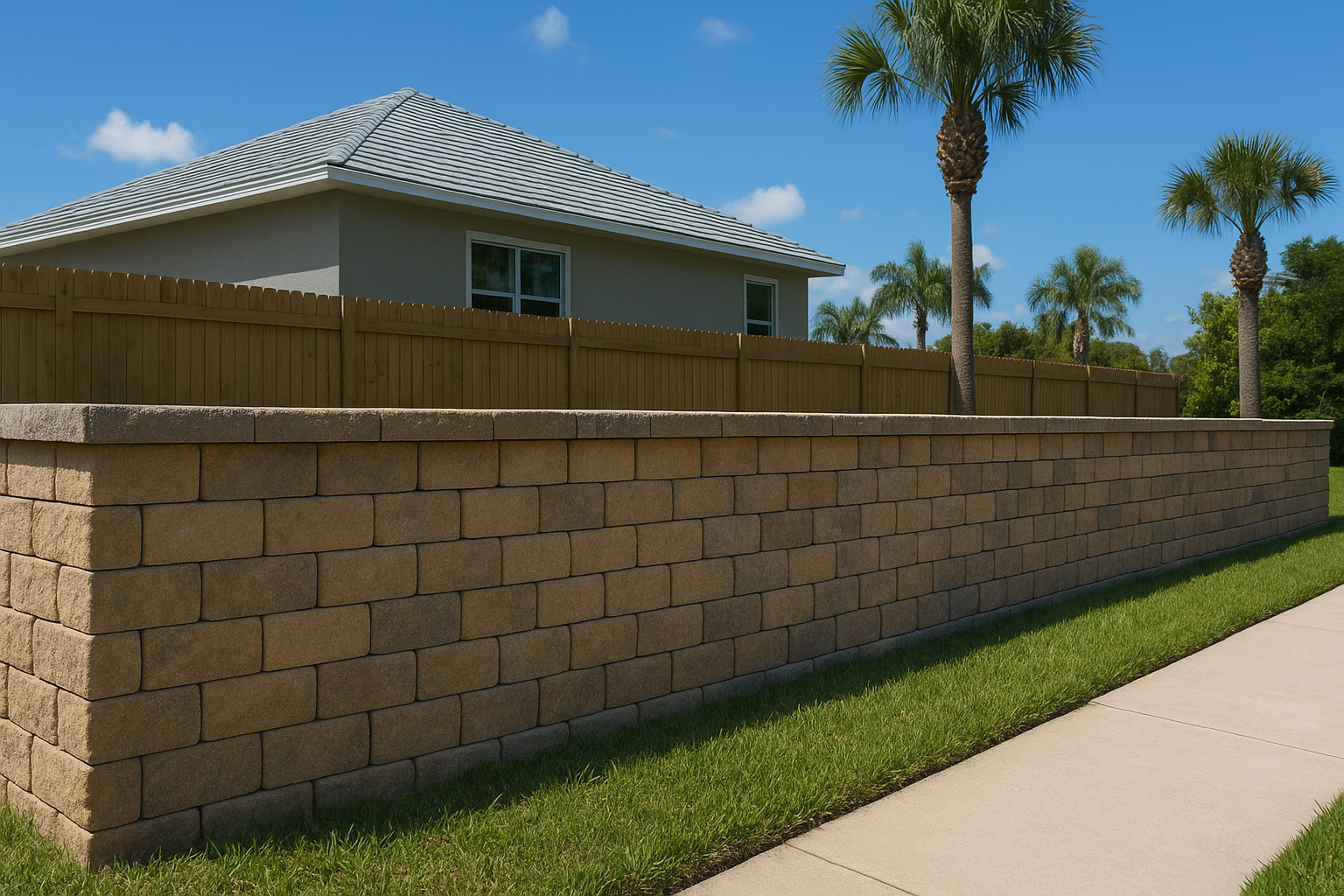
Retaining walls above a specific height — commonly four feet measured from the base of the footing to the top of the wall — require structural engineering review and a building permit across most Central Florida counties. Walls adjacent to property lines, pools, or structures face additional setback and load requirements. Furthermore, walls that affect site drainage patterns may require a separate drainage review before permit approval.
Smaller decorative landscape walls under two feet typically fall outside permit requirements. However, confirming this with your specific county building department before construction is always the correct approach. For a detailed look at retaining wall construction requirements specific to Florida, our post on retaining walls in Florida covers structural and drainage considerations in full.
Patios, Pavers, and Hardscape
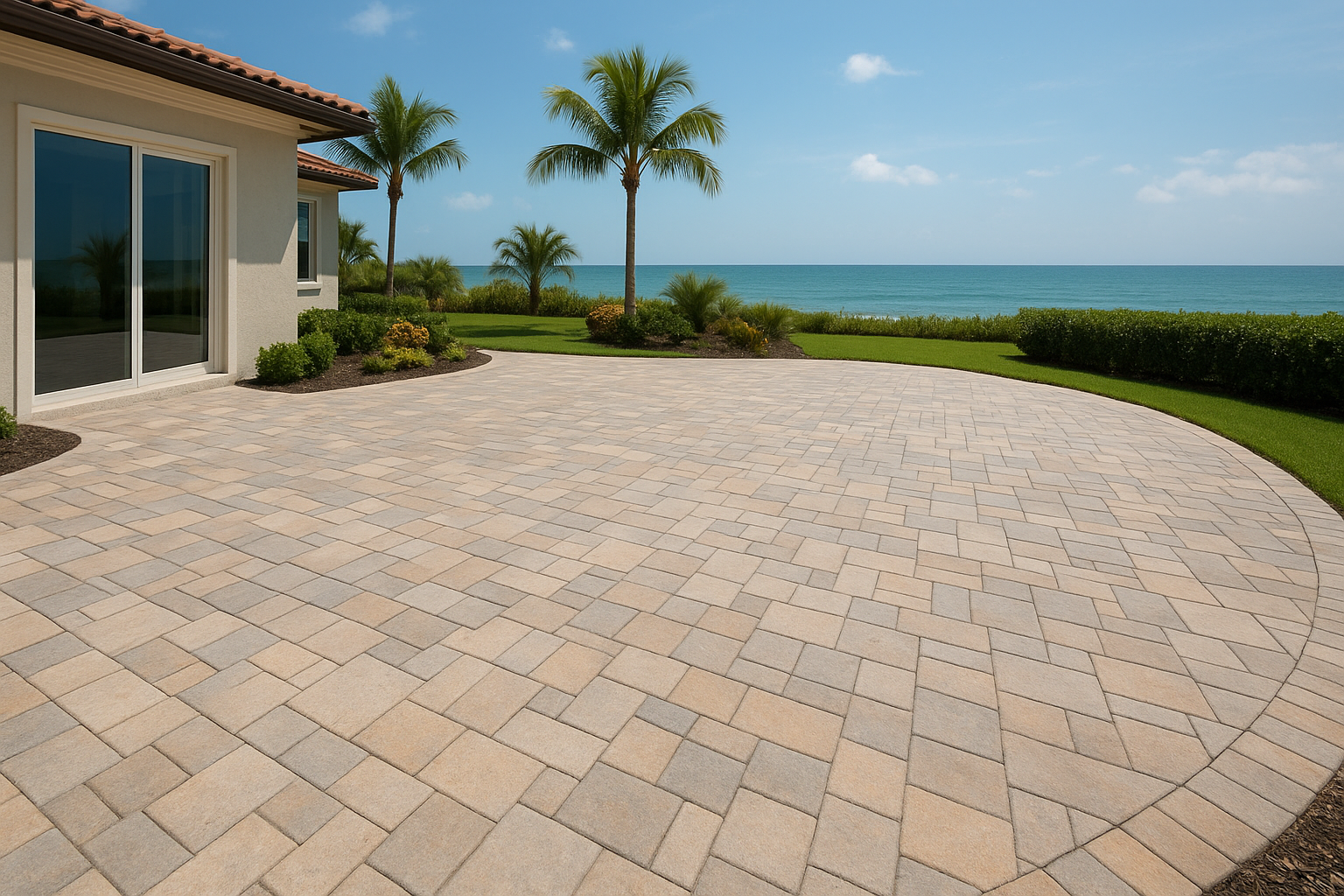
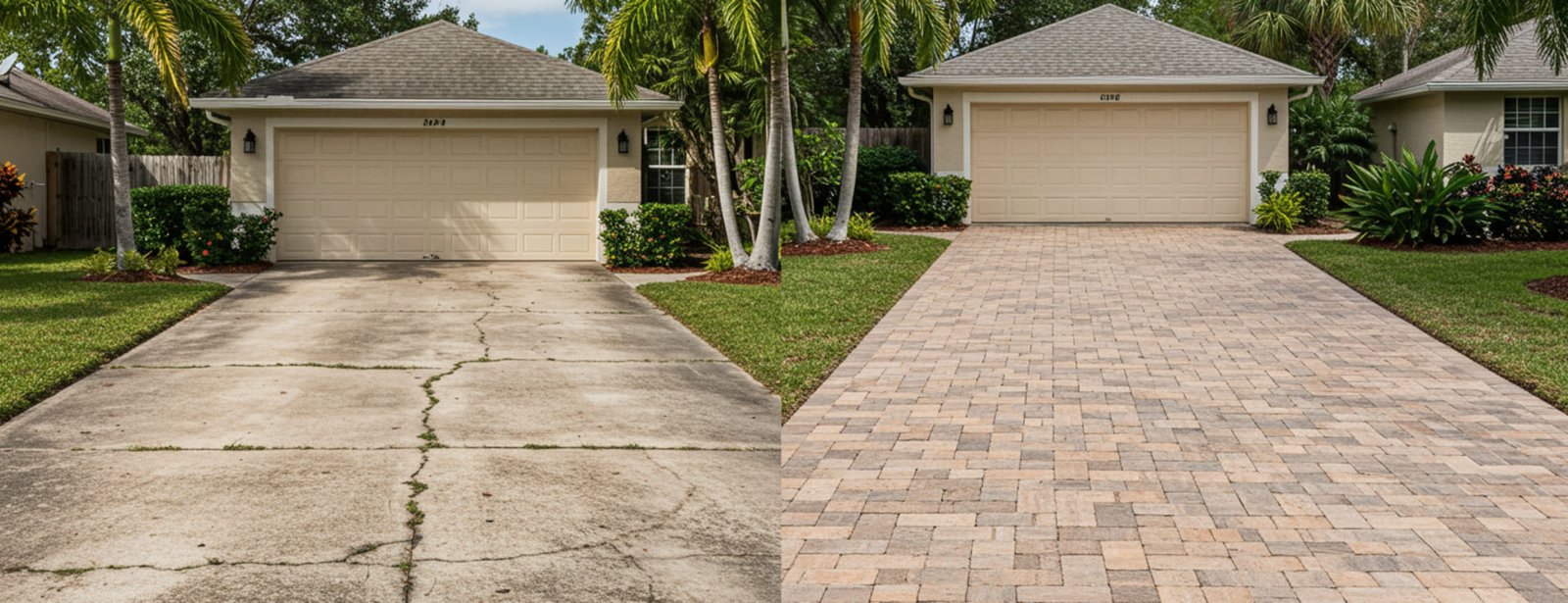
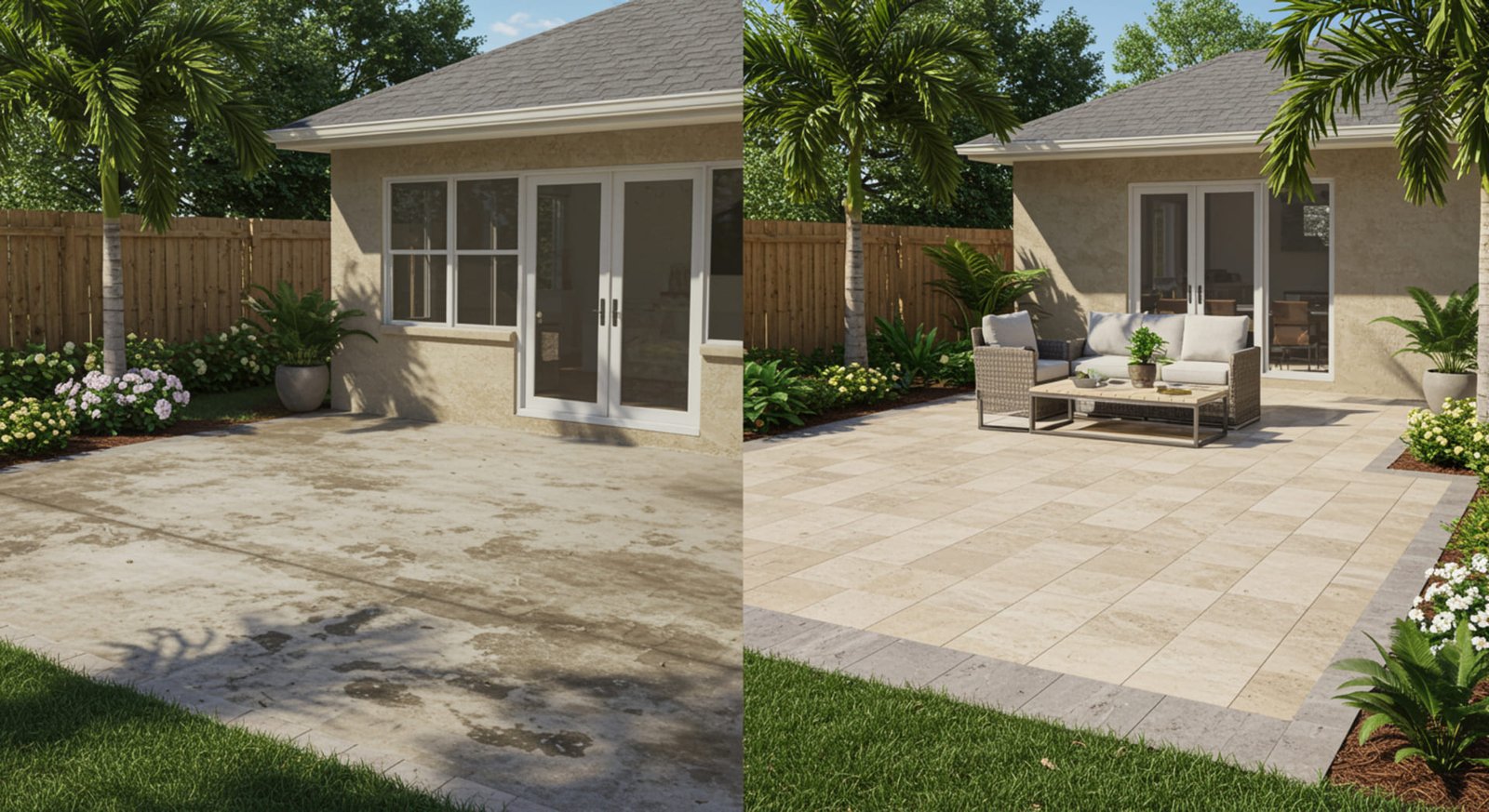
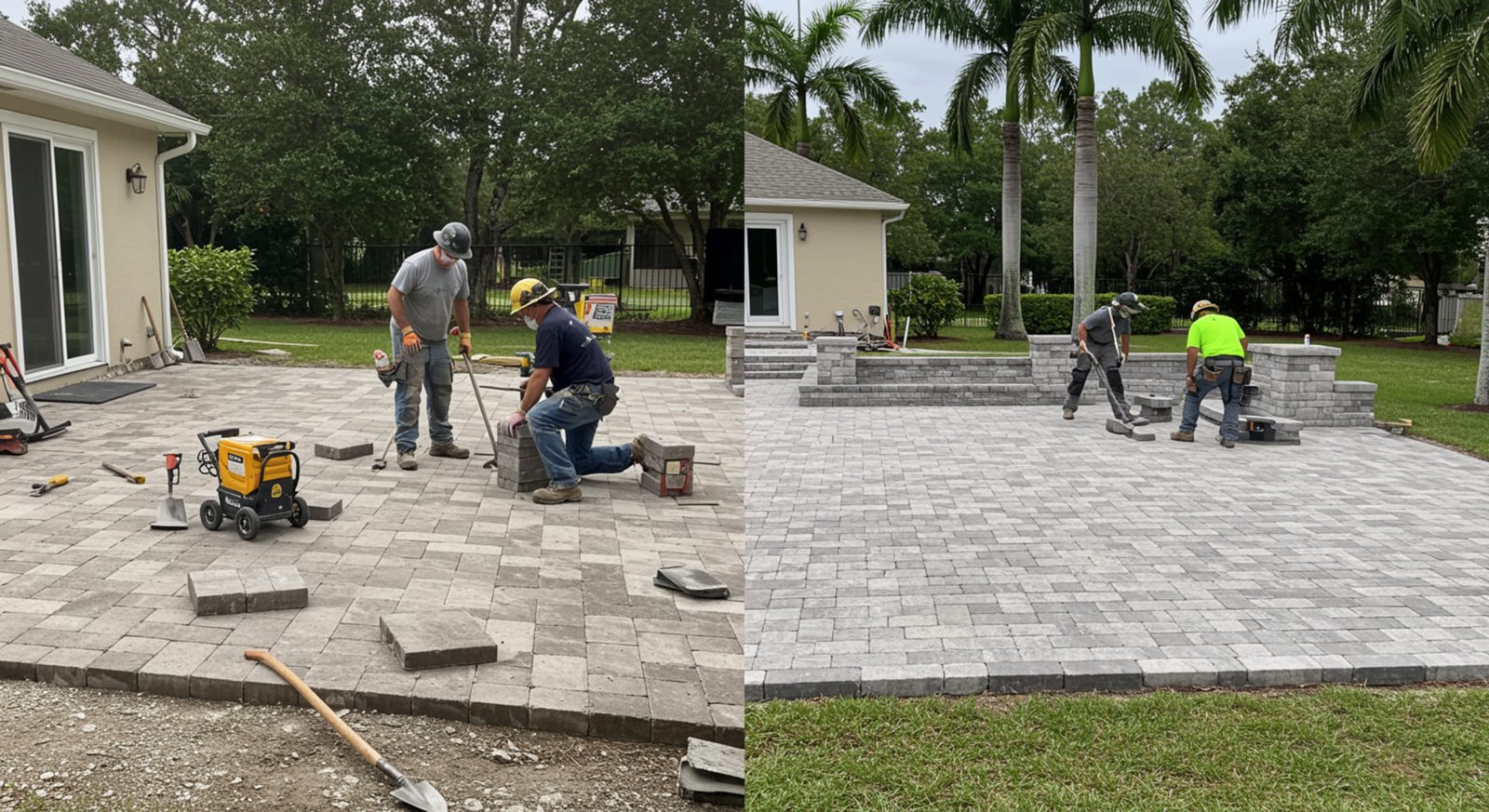
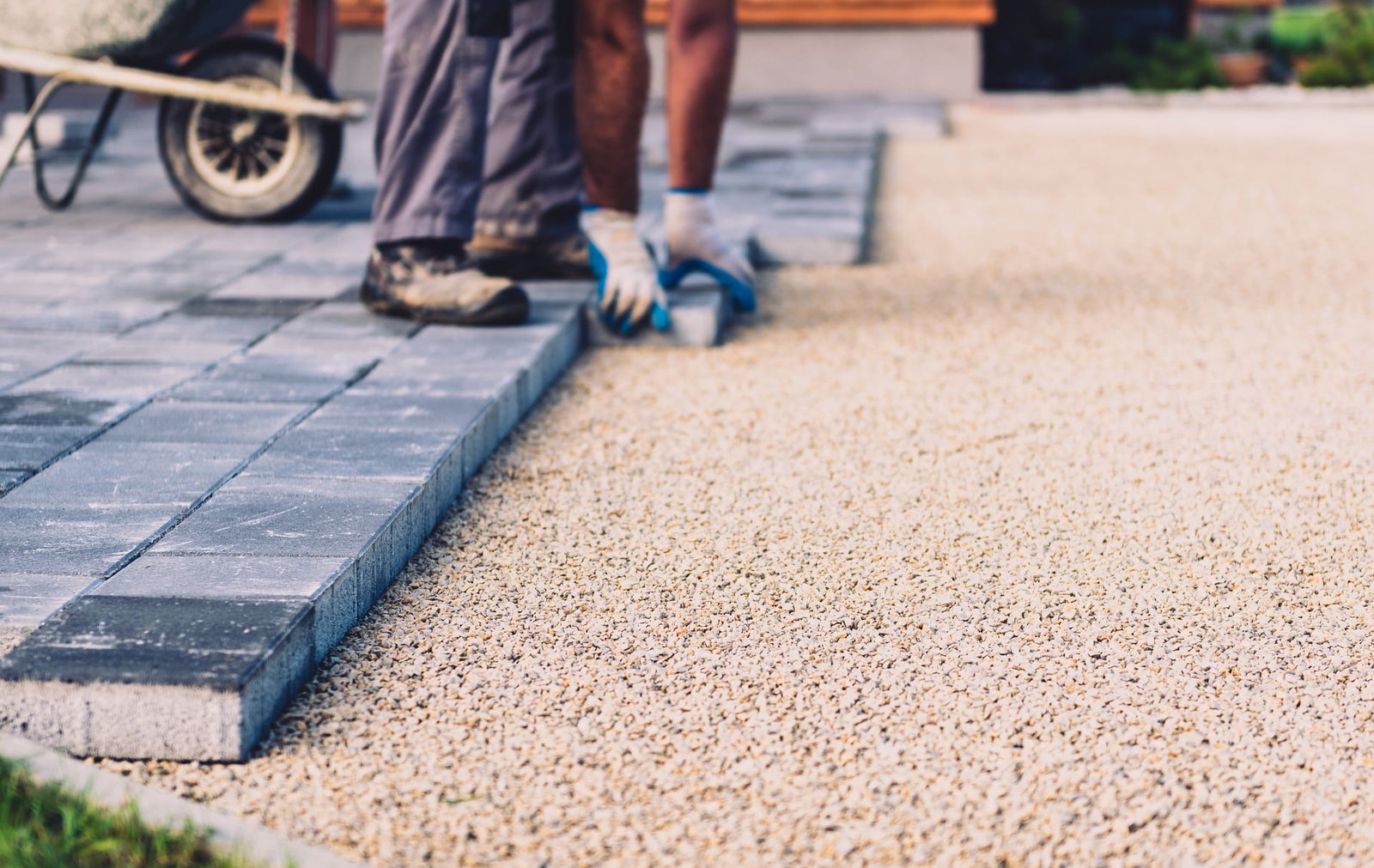
Paver patios and hardscape installations occupy a gray area in Florida permit requirements. Ground-level paver installations on sand or gravel bases often do not require a permit. In contrast, raised patios, structures over a certain square footage, or any hardscape connected to the main structure typically do trigger review. Additionally, hardscape projects that alter site drainage — by directing water toward neighboring properties or public rights-of-way — may require a drainage permit regardless of the surface material.
The safest approach is to confirm with the local building department before work starts. Many Central Florida counties offer online permit lookup tools that clarify requirements by project type and size. Consequently, a five-minute verification call or online check prevents the much larger headache of a stop-work order mid-project.
Outdoor Kitchens and Summer Kitchens
Outdoor kitchens almost always require permits in Florida — particularly when they include gas lines, electrical connections, or plumbing. Each of these utility connections triggers its own permit category beyond the structural permit. Therefore, a full outdoor kitchen project typically involves a building permit, an electrical permit, and a gas permit — each reviewed and inspected separately.
Even prefabricated outdoor kitchen units with gas connections require gas line permits in most Florida jurisdictions. Homeowners who attempt to connect gas lines without licensed contractor involvement and proper permits create significant liability exposure. In addition, unpermitted gas connections void homeowner’s insurance coverage for any related incident.
Pool Decks and Pool Construction
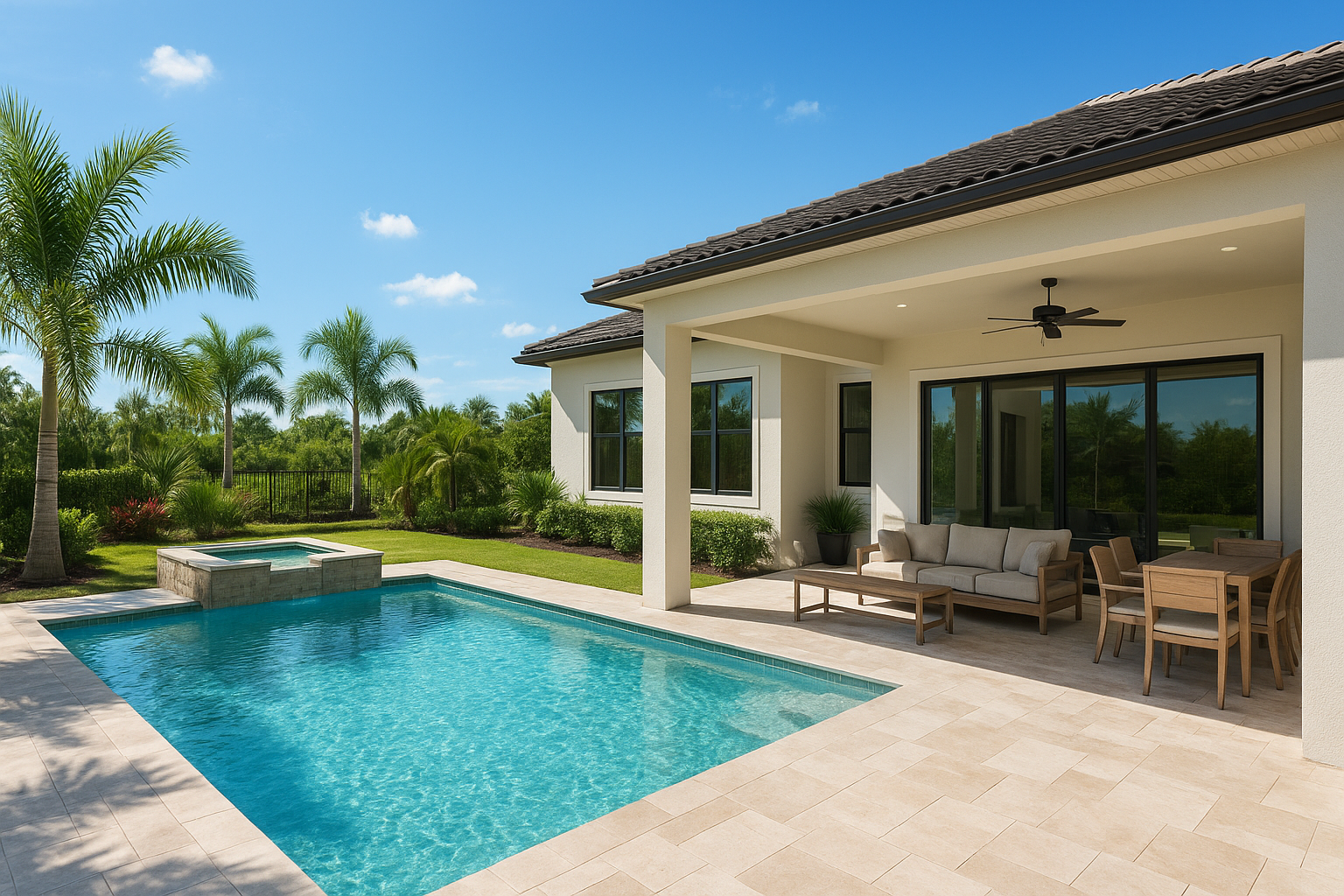
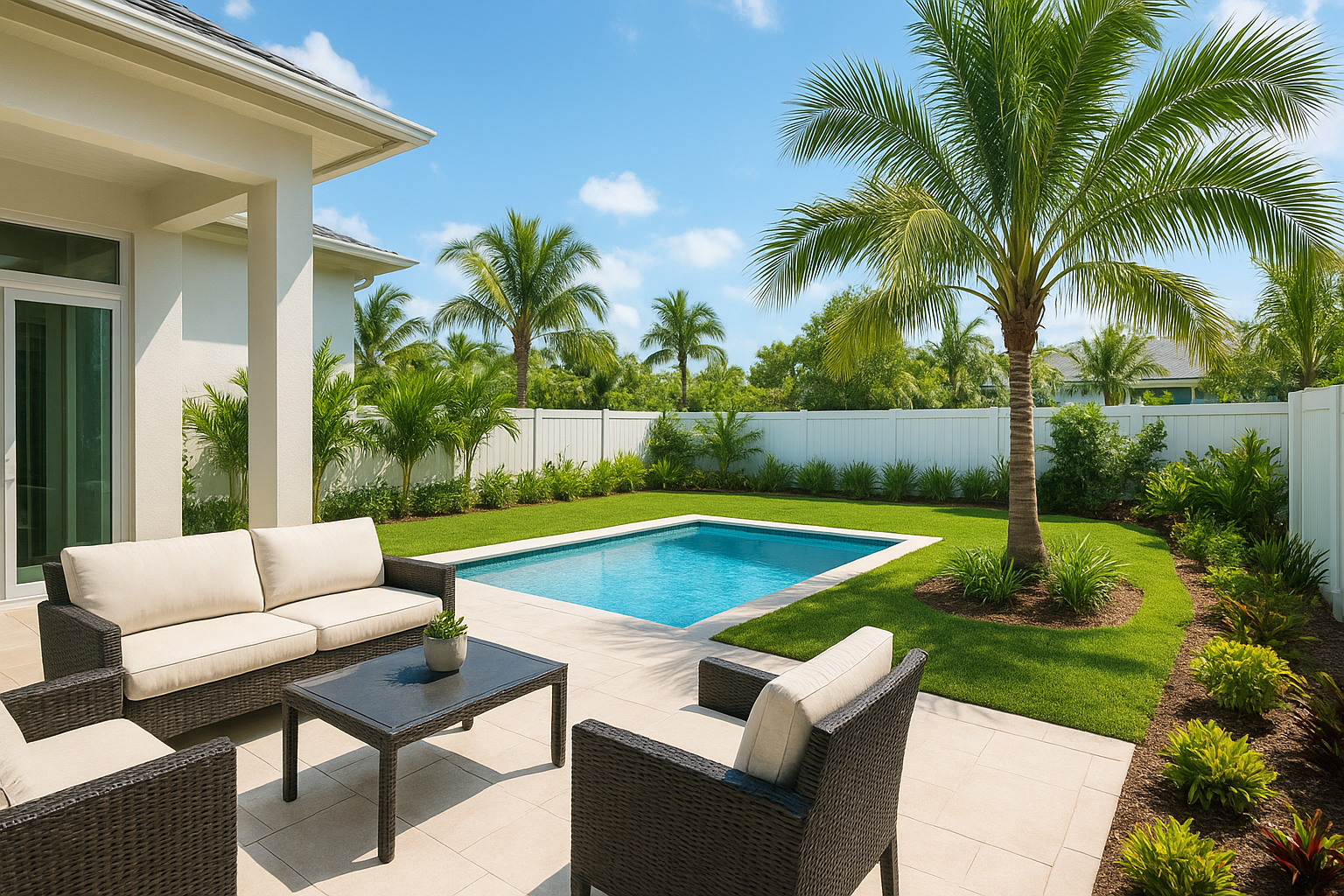
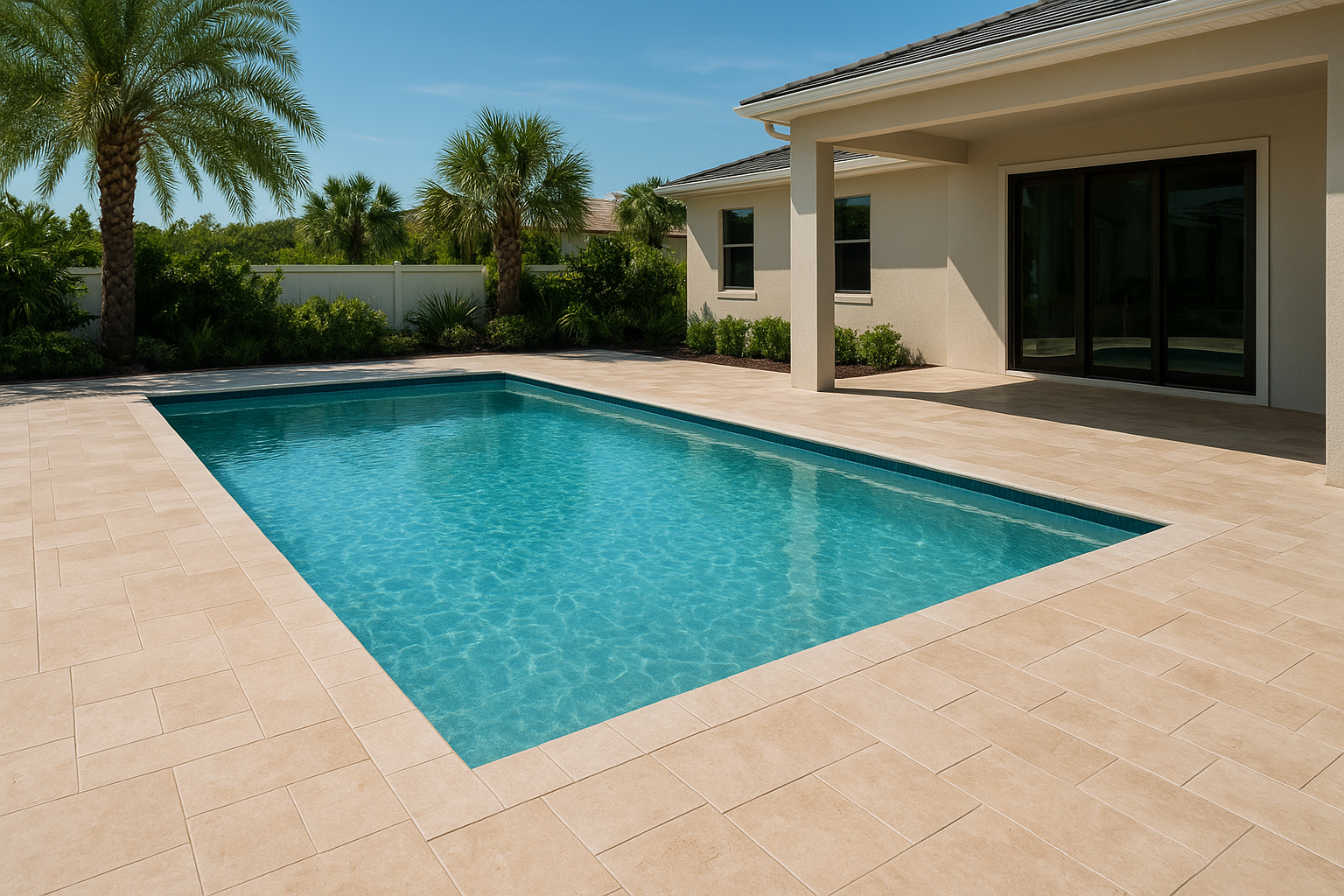
Pool construction requires permits universally across Florida — no exceptions. Pool deck resurfacing, however, occupies a different category. Most cosmetic resurfacing projects — applying a new coating over an existing structurally sound deck — do not require a permit. In contrast, structural repairs, drainage modifications, or deck expansions typically do require review.
Florida also mandates specific safety barrier requirements around all pools. Any modification to the pool barrier — fencing, screen enclosures, or gate hardware — requires permit review to ensure continued compliance with the Florida pool barrier safety code. Non-compliant pool barriers create serious liability risk for homeowners.
Pergolas, Shade Structures, and Screen Enclosures
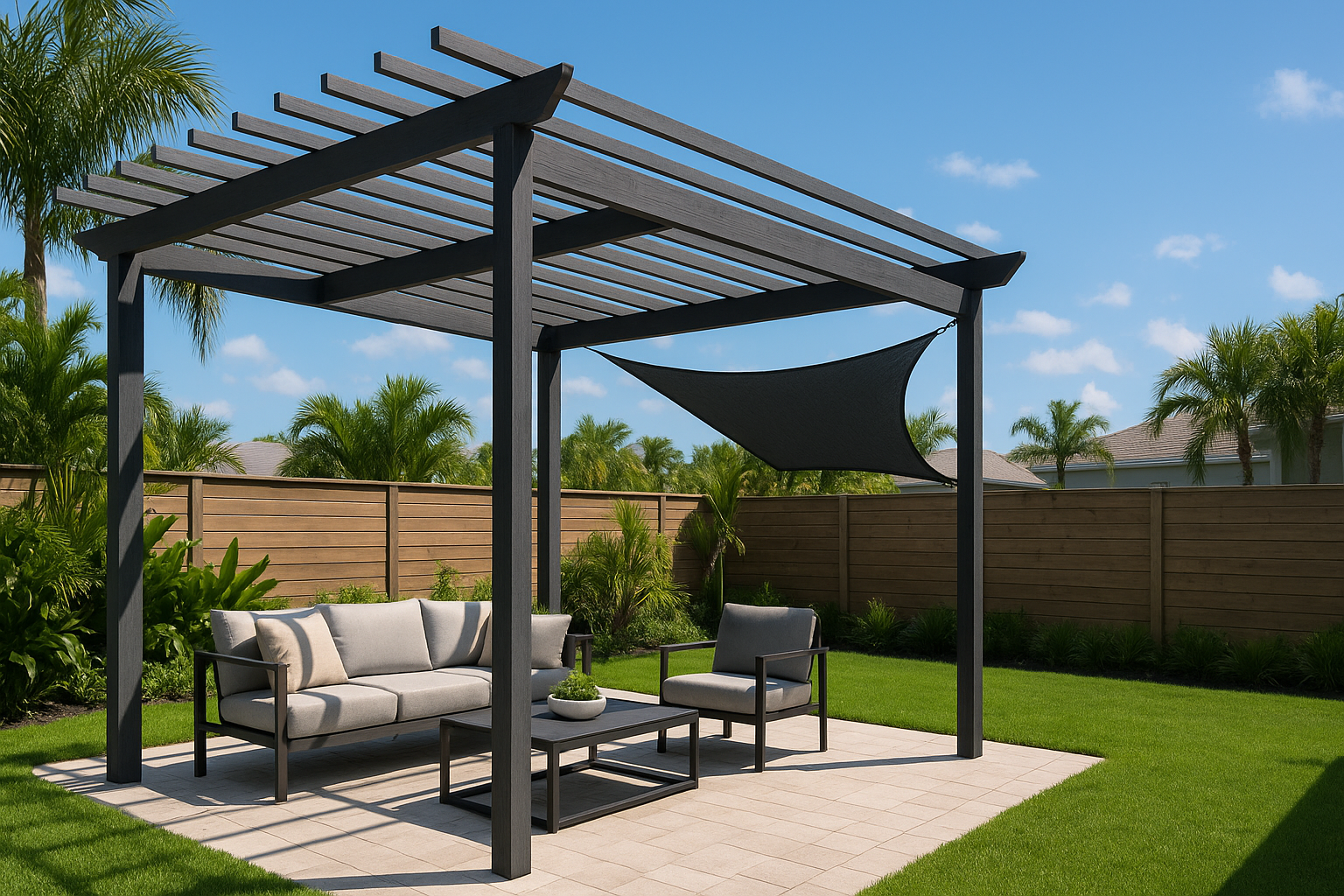
Attached pergolas, screen enclosures, and covered outdoor structures require building permits across virtually all Central Florida jurisdictions. These structures connect to the main building or create enclosed space — both of which trigger full permit review. Furthermore, Florida’s wind load requirements for outdoor structures are among the strictest in the country, given the state’s hurricane exposure. Consequently, structural engineering review is typically required for any covered outdoor structure that attaches to the home.
Freestanding pergolas and shade sails occupy a more variable space in the permit requirements. Some counties allow small freestanding structures under a certain square footage without a permit. Others require permits for any permanent structure regardless of size. Verifying with your specific county before installation prevents compliance issues after the structure goes up.
Outdoor Permits Florida: Projects That Often Do Not Require a Permit
Several common outdoor projects typically fall outside permit requirements in most Central Florida counties. However, confirming this with your local building department is always recommended before proceeding.
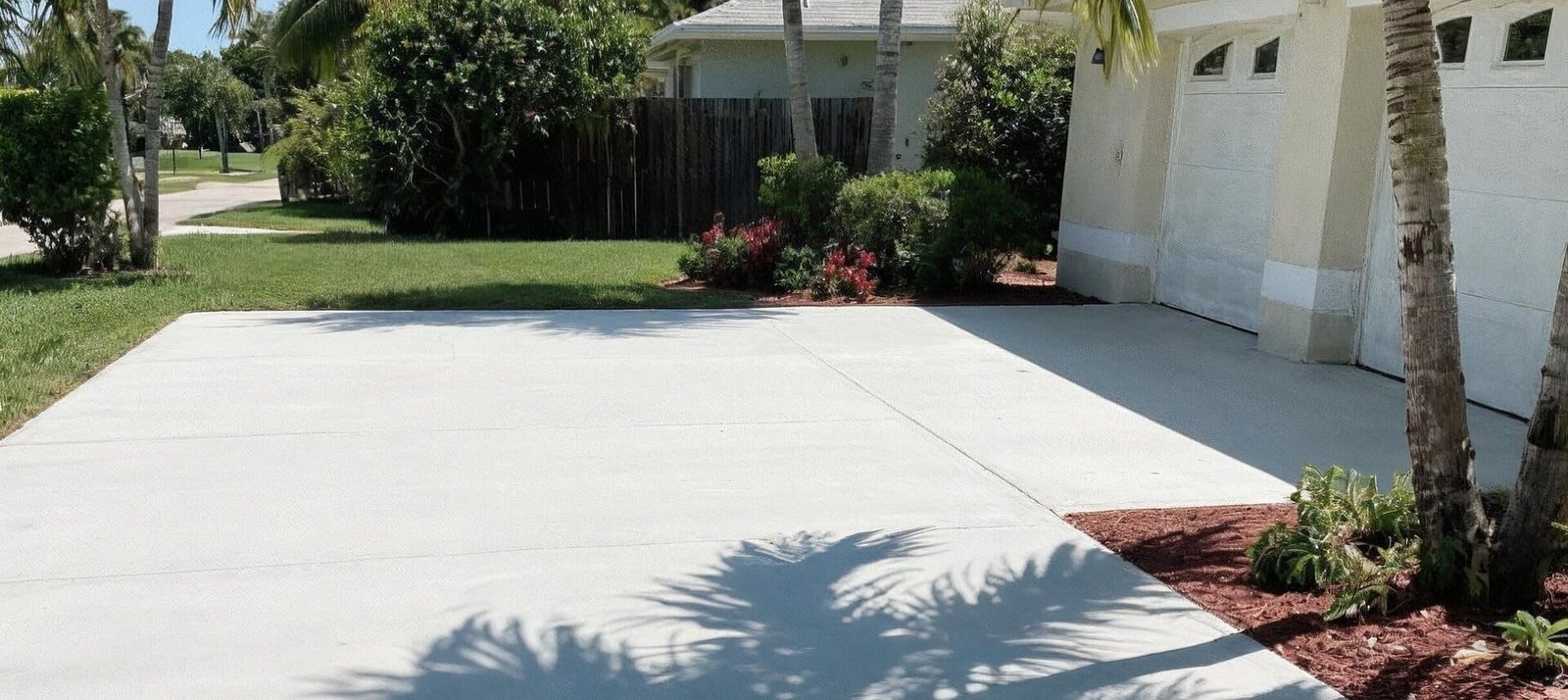
- Cosmetic concrete resurfacing — applying a coating or overlay over an existing structurally sound surface without altering drainage or structure.
- Ground-level paver installations — on sand or gravel base, not connected to the main structure and not altering site drainage.
- Artificial turf installation — purely landscaping work on private residential property without drainage modifications.
- Low decorative walls — under two feet in height, not structural, not adjacent to a pool or property line.
- Standard landscaping — planting, mulching, soil grading within normal tolerance, and irrigation repairs in most jurisdictions.
- Exterior painting and sealing — cosmetic surface treatments on existing structures and hardscape.
Even for projects in this category, HOA communities may impose their own approval processes that operate independently of county building permits. Therefore, both channels — county building department and HOA architectural review — need verification before any visible exterior work begins.
How the Outdoor Permit Process Works in Central Florida
The permit process in Central Florida follows a general sequence, though specific steps and timelines vary by county. Understanding the basic flow helps homeowners plan project timelines realistically.
Step 1: Determine the Permit Requirements
Contact your county building department — or visit their online portal — and describe the project specifically. Provide dimensions, materials, and location on the property. Most counties provide a clear yes or no on permit requirements based on this description. Additionally, your licensed contractor should handle this step as part of their pre-construction process.
Step 2: Submit Plans and Application
Permitted projects require a permit application and, in most cases, supporting documentation — site plans, structural drawings, or product specifications. For complex projects like outdoor kitchens or retaining walls, engineered drawings may be required. Furthermore, most Central Florida counties now offer online permit submission portals, which speed up the review process significantly compared to in-person filing.
Step 3: Plan Review
The building department reviews submitted plans for code compliance. Review timelines vary — simple permits may receive approval within a few business days, while complex structural projects can take two to four weeks. In some cases, the reviewer requests additional information or plan revisions before approval. Consequently, building this review period into the project timeline from the start prevents frustrating delays.
Step 4: Construction and Inspections
Once the permit issues, construction can begin. Most permitted projects require one or more inspections at defined stages — for example, a footing inspection before concrete is poured, or a rough electrical inspection before walls close. The permit card must remain on-site and visible during construction. Finally, a closing inspection completes the permit and confirms the work meets code.
County-Specific Permit Resources for Central Florida
Each Central Florida county manages its own building department and permit portal. Here are the primary counties Golden Outdoor Solutions serves, with direct links to their building department resources.
- Orange County — Orange County Building Division manages permits for unincorporated Orange County. The City of Orlando operates its own separate permit office.
- Seminole County — Seminole County Development Services handles building permits for unincorporated areas. Individual cities within the county have their own permit offices.
- Osceola County — Osceola County Building Division covers unincorporated Osceola. Kissimmee and St. Cloud operate independently.
- Brevard County — Brevard County Building Services manages permits for unincorporated Brevard. Municipalities including Melbourne and Palm Bay handle their own permit processing.
- Lake County — Lake County Building Services covers unincorporated Lake County. Cities like Clermont and Leesburg operate separately.
In every case, the correct starting point is the building department for the specific municipality or unincorporated county area where the property sits. A licensed contractor familiar with Central Florida jurisdictions typically knows these requirements without needing to look them up — which is one practical advantage of working with an experienced local company.
What Happens When You Build Without a Required Permit
Building without a required permit in Florida carries real consequences. Understanding these helps clarify why permit compliance is worth the additional time and cost upfront.
Stop-Work Orders
If a building inspector or code enforcement officer identifies unpermitted construction in progress, they issue a stop-work order immediately. All work halts until the permit situation resolves. Furthermore, the contractor and homeowner both face potential fines — which accumulate daily until compliance. In many cases, the cost of resolving a stop-work order far exceeds the original permit fee.
Retroactive Permit Complications
Obtaining a permit after work completes — called a retroactive or after-the-fact permit — requires exposing completed work for inspection. This often means demolishing finished elements to allow inspectors access to footings, structural connections, or utility rough-ins. As a result, the cost of retroactive compliance frequently exceeds the original construction cost for the affected portion of the project.
Property Sale Complications
Florida real estate transactions require disclosure of unpermitted work. When a buyer’s inspector identifies an unpermitted structure, the transaction typically stalls until the seller resolves the permit status. In some cases, buyers walk away entirely. Additionally, title insurance companies and mortgage lenders may refuse to close on properties with known unpermitted structures — which significantly limits the seller’s options.
Insurance Coverage Gaps
Homeowner’s insurance policies in Florida typically exclude coverage for damage involving unpermitted structures. Therefore, if a fire, storm, or structural failure involves an unpermitted outdoor kitchen, screen enclosure, or retaining wall, the insurance company may deny the claim. This exposure extends beyond the unpermitted structure itself to adjacent property elements that suffer damage as a result.
How Working With a Licensed Contractor Simplifies the Permit Process
Licensed contractors in Florida carry the responsibility of pulling permits for the work they perform. A reputable contractor identifies permit requirements before quoting, includes permit costs in the project estimate, and manages the submission and inspection process from start to finish. Consequently, homeowners who work with licensed professionals rarely need to interact with the building department directly.
In contrast, homeowners who hire unlicensed contractors or attempt permit-required work themselves carry the full permit liability. If the work fails inspection or triggers a code enforcement complaint, the homeowner bears the resolution cost — regardless of who performed the work. Therefore, verifying contractor license status before signing any outdoor construction contract is a fundamental due diligence step in Florida.
For a complete overview of outdoor renovation projects Golden Outdoor Solutions delivers across Central Florida — including fences, retaining walls, outdoor kitchens, pavers, and concrete work — our services page covers the full scope of work our licensed team manages from permit to final inspection.
The Florida Building Commission publishes the current Florida Building Code — including residential construction standards for outdoor structures, site work, and utility connections — which serves as the statewide baseline that all Central Florida county amendments build upon.
Ready to transform your outdoor space? Contact Golden Outdoor Solutions for a free consultation and browse our completed projects gallery to see permitted outdoor construction across Central Florida. Follow us on Instagram and Facebook for project updates and local tips, and read client reviews on Google. Reach us via WhatsApp, by phone at +1 (321) 745-9047, or by email at contact@goldenoutdoorsolutions.com — we serve homeowners throughout Central Florida. 🏡✨