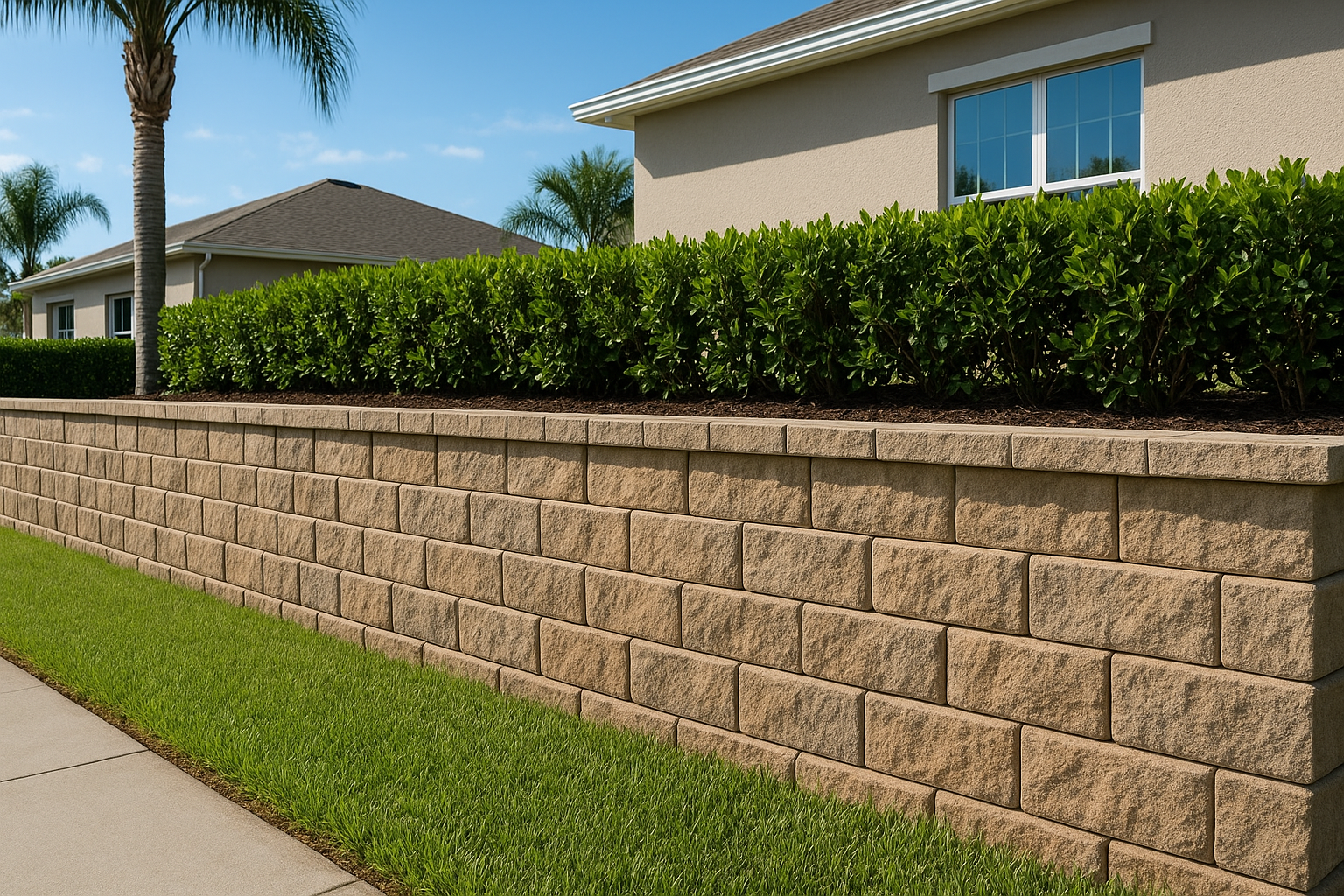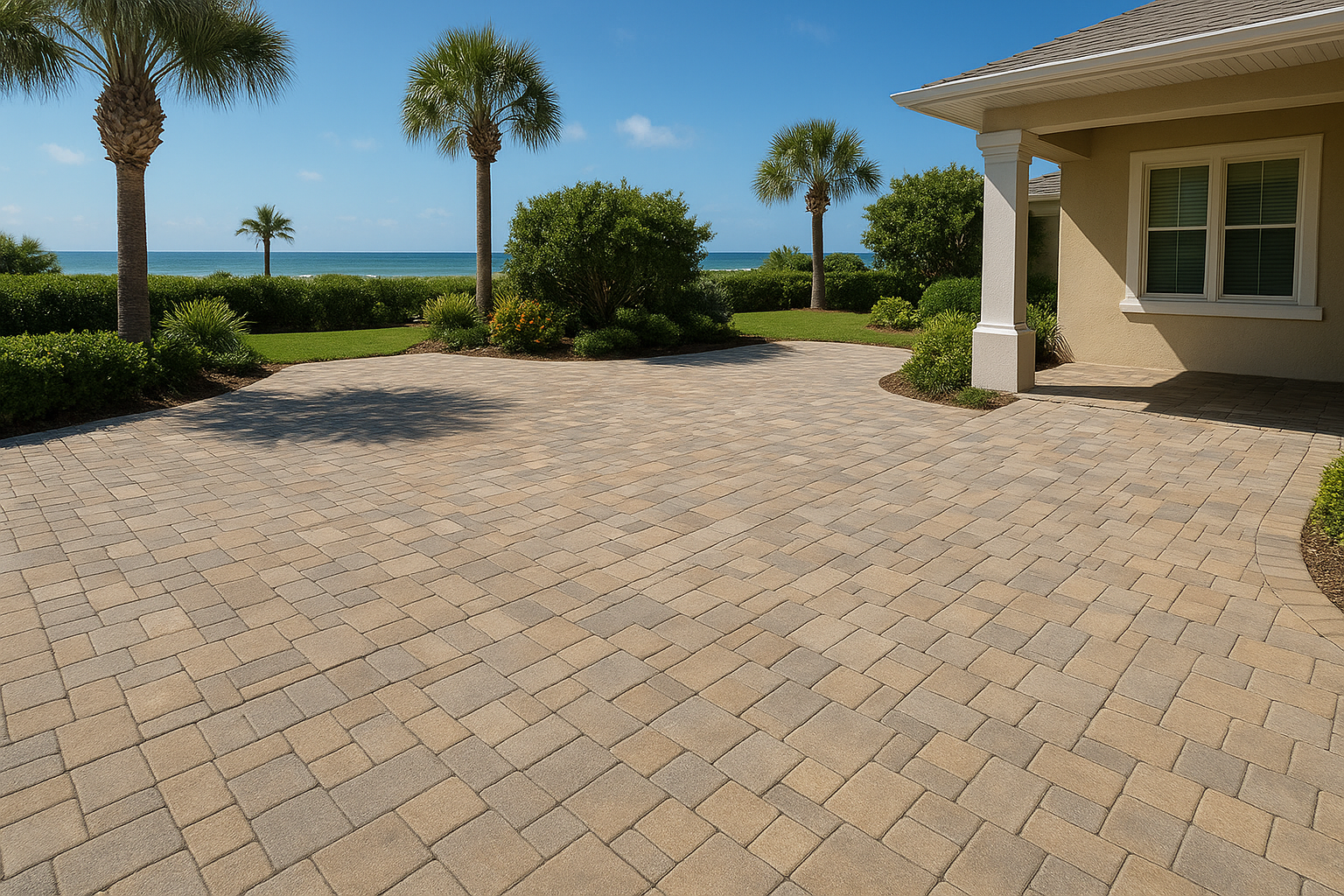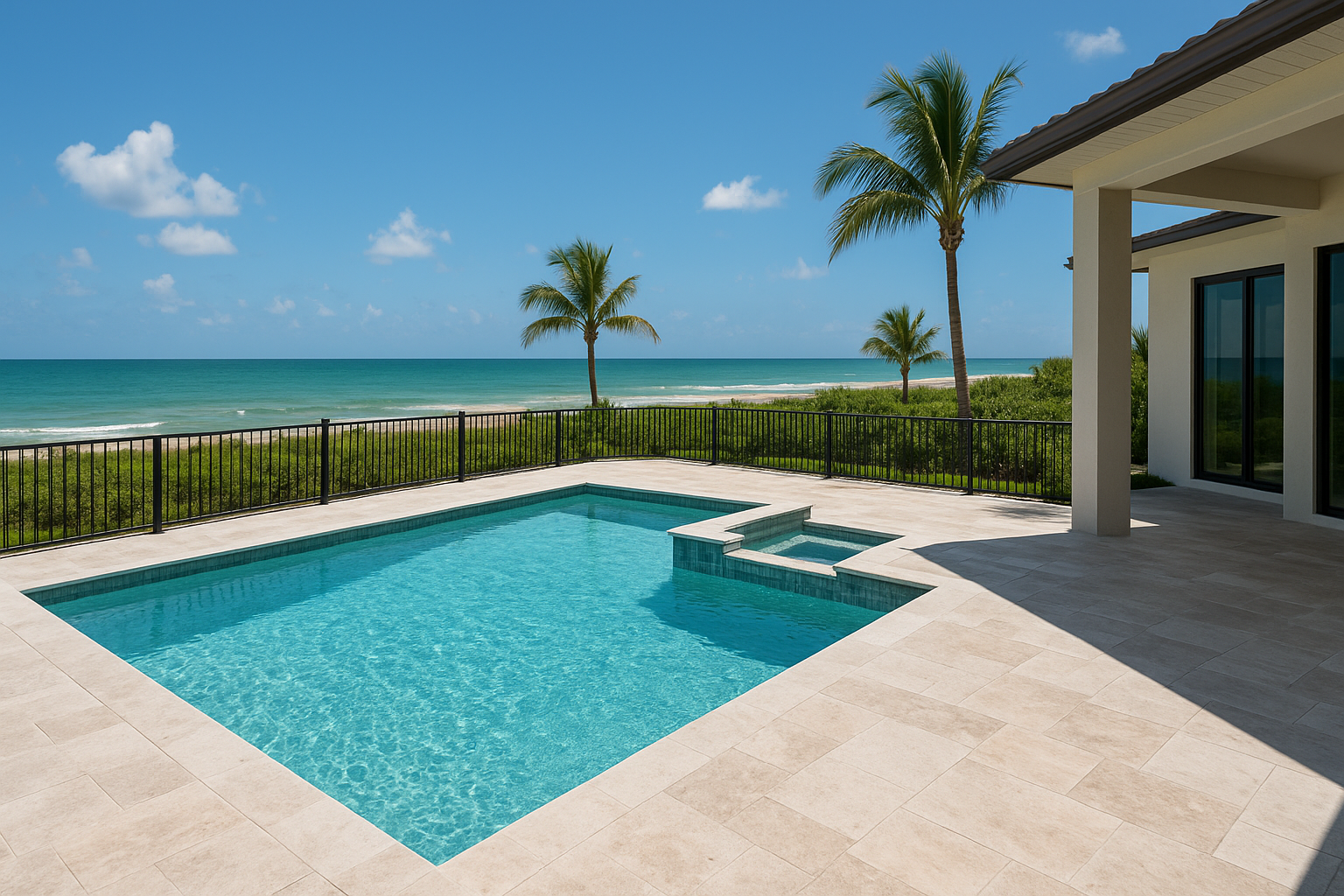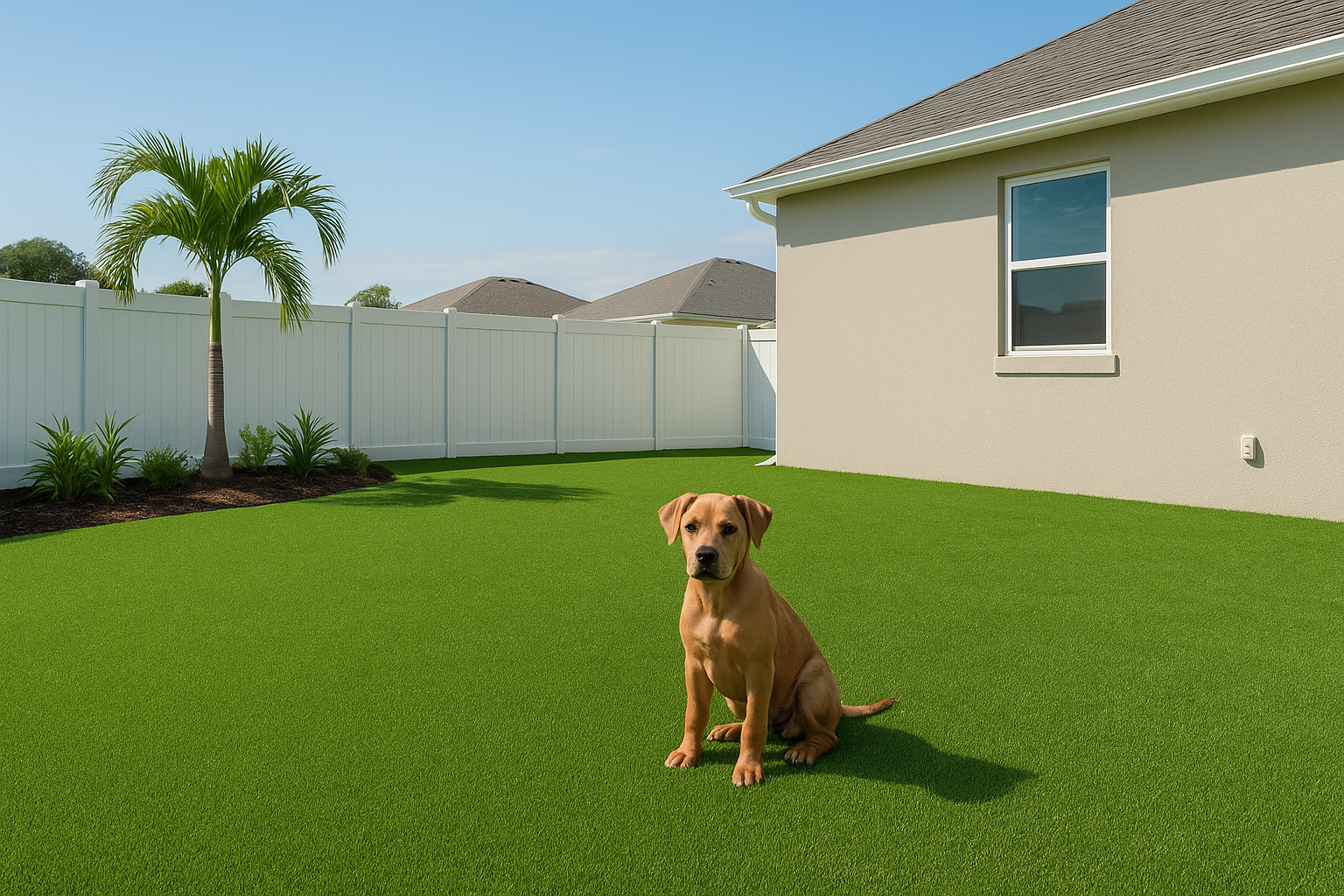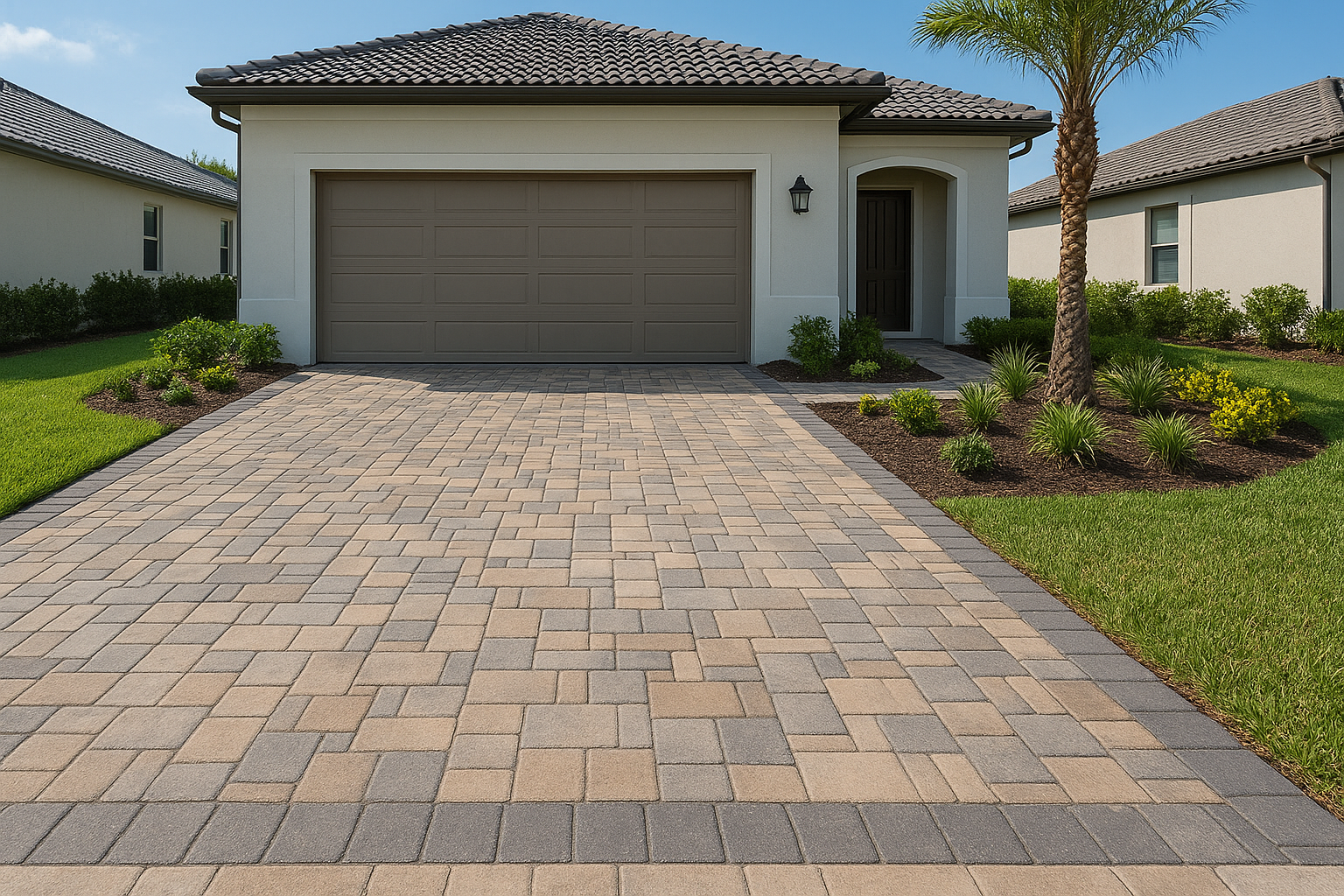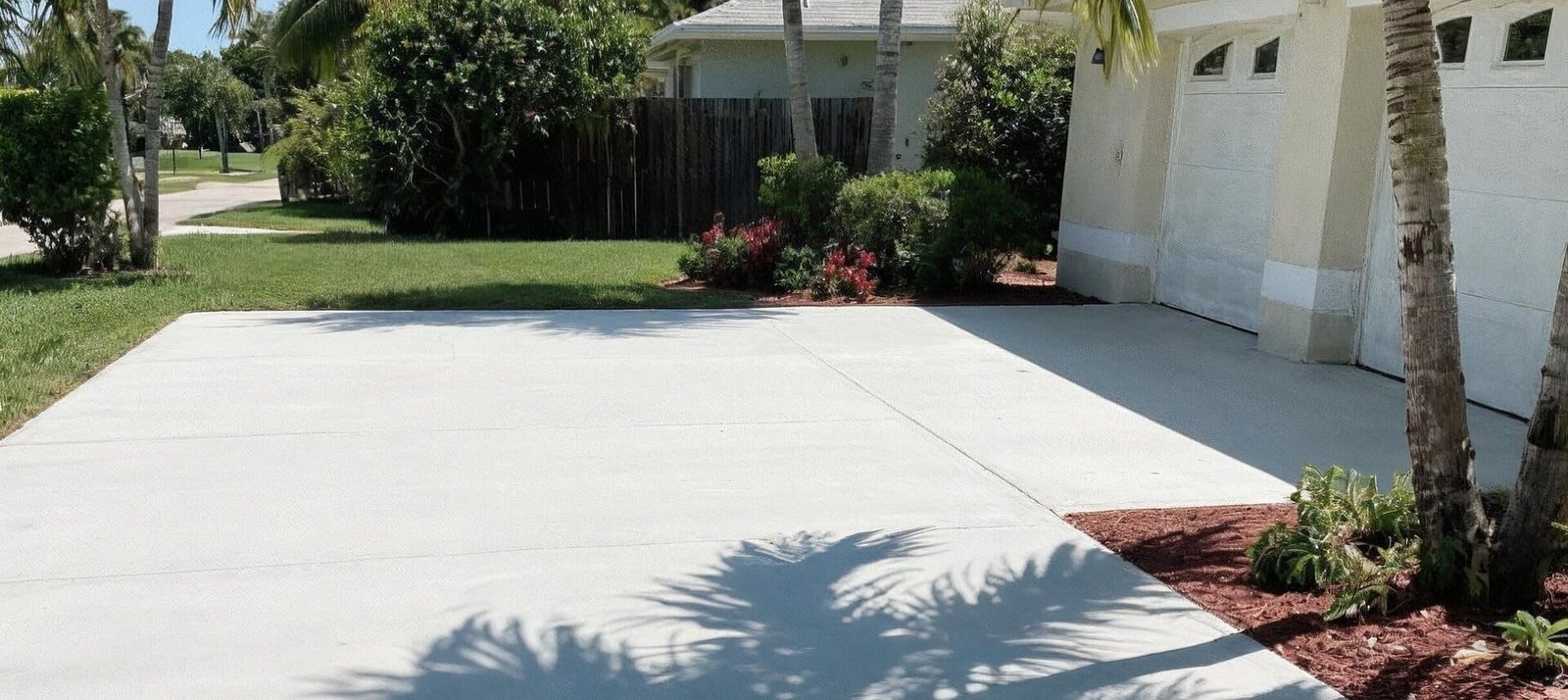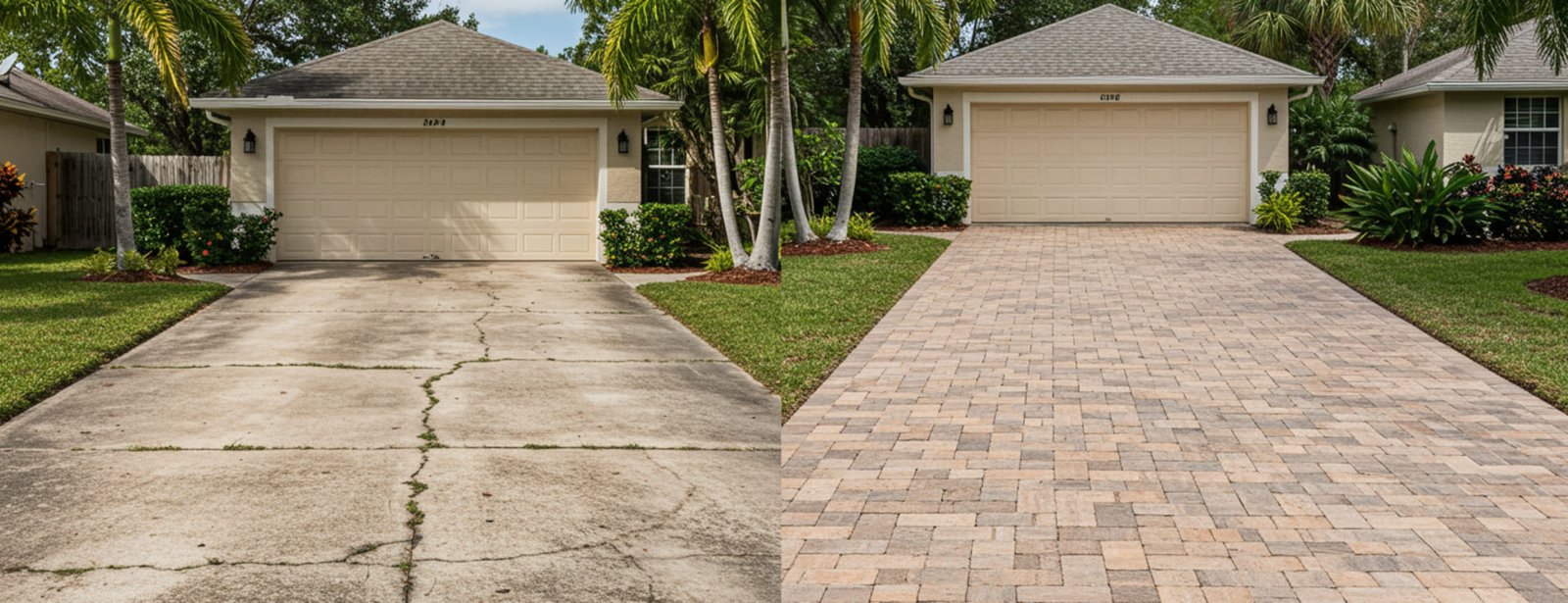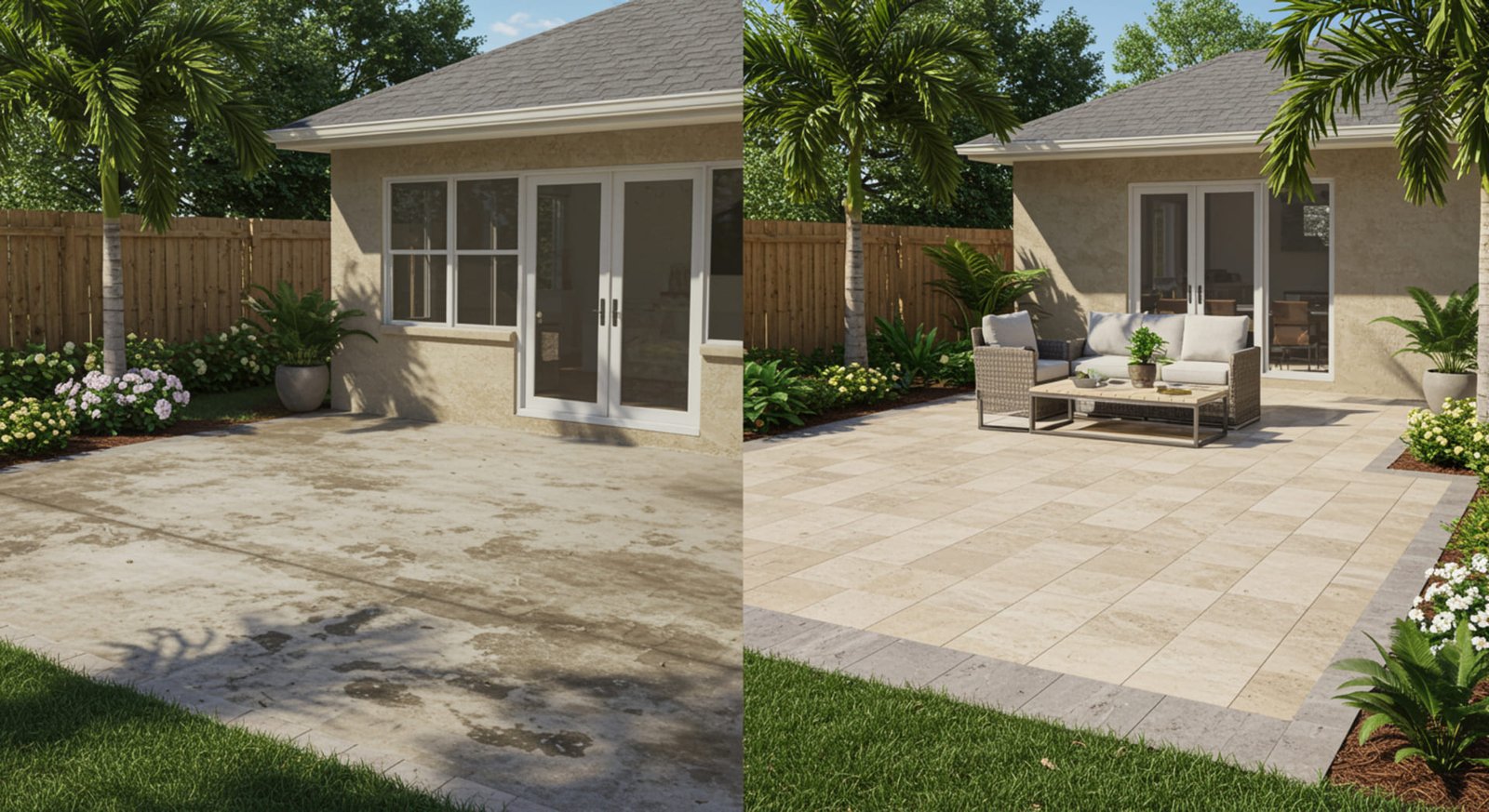
A well-planned side yard transformation Brevard County often proves that even narrow or overlooked areas can become some of the most satisfying parts of a property. Side yards are usually treated as leftover space. However, they can solve privacy, cleanup, circulation, and visual-balance problems all at once when the right materials are used. Therefore, a side-yard project is often much more valuable than its square footage suggests.
This project-story article explains why. First, it looks at what side yards usually lack before renovation. Next, it covers why a fence, turf, and walkway combination works so well in tighter spaces. Then, it shows the sequencing and design logic that help the area feel clean, usable, and easy to maintain. If you are looking at an awkward side-yard zone now, the goal here is to turn that problem area into a clearer opportunity.
Why Side Yards Often Feel Unfinished
Side yards frequently suffer from weak circulation, uneven ground, poor privacy, and maintenance friction. In many properties, the area becomes a narrow pass-through with little visual structure and no real destination. As a result, it can feel messy even when the rest of the yard is improving. A targeted transformation works because it gives that space a defined role instead of leaving it as a leftover gap between larger features.
How Fence, Turf, and Walkway Work Together
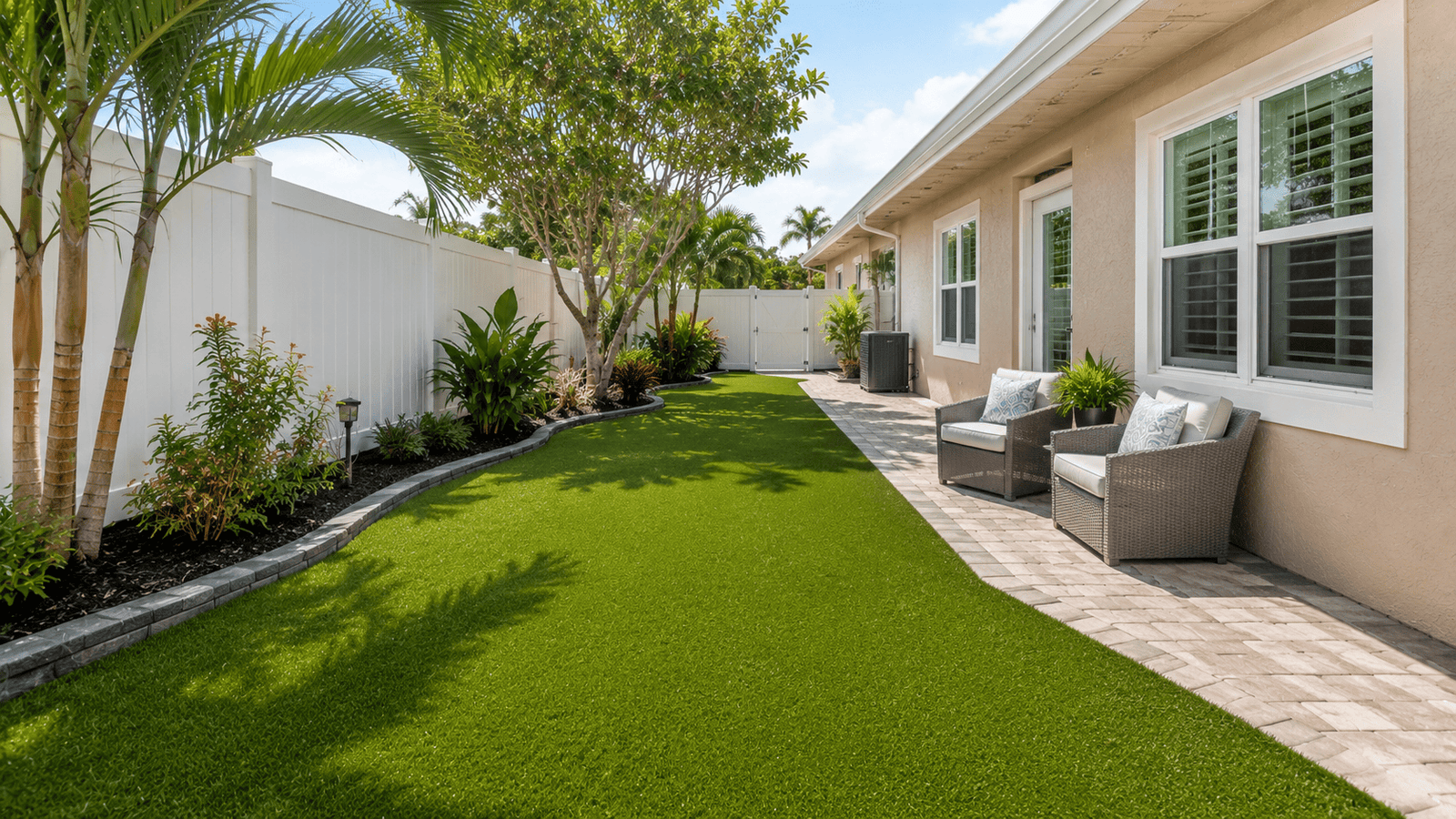
The strongest side-yard upgrades usually rely on material contrast. A clean walkway creates order and movement. Turf softens the area while reducing maintenance pressure. A fence improves privacy and helps the zone feel more enclosed and intentional. In turn, the whole corridor becomes easier to use and much easier to keep looking finished from the house or the backyard.
The Design Priorities That Matter Most
- Clear access: the path should feel obvious and comfortable
- Lower maintenance: fewer muddy edges and cleaner transitions
- Visual calm: tighter proportions and cleaner border treatment
- Privacy: enough screening to make the side yard feel useful rather than exposed
Those priorities matter because side yards exaggerate mistakes quickly. If the path feels too narrow or the edge detail is sloppy, the entire area looks compromised. Conversely, when the geometry is clean, even a compact side yard can feel polished and premium.
Why Sequence Matters in Tight Spaces
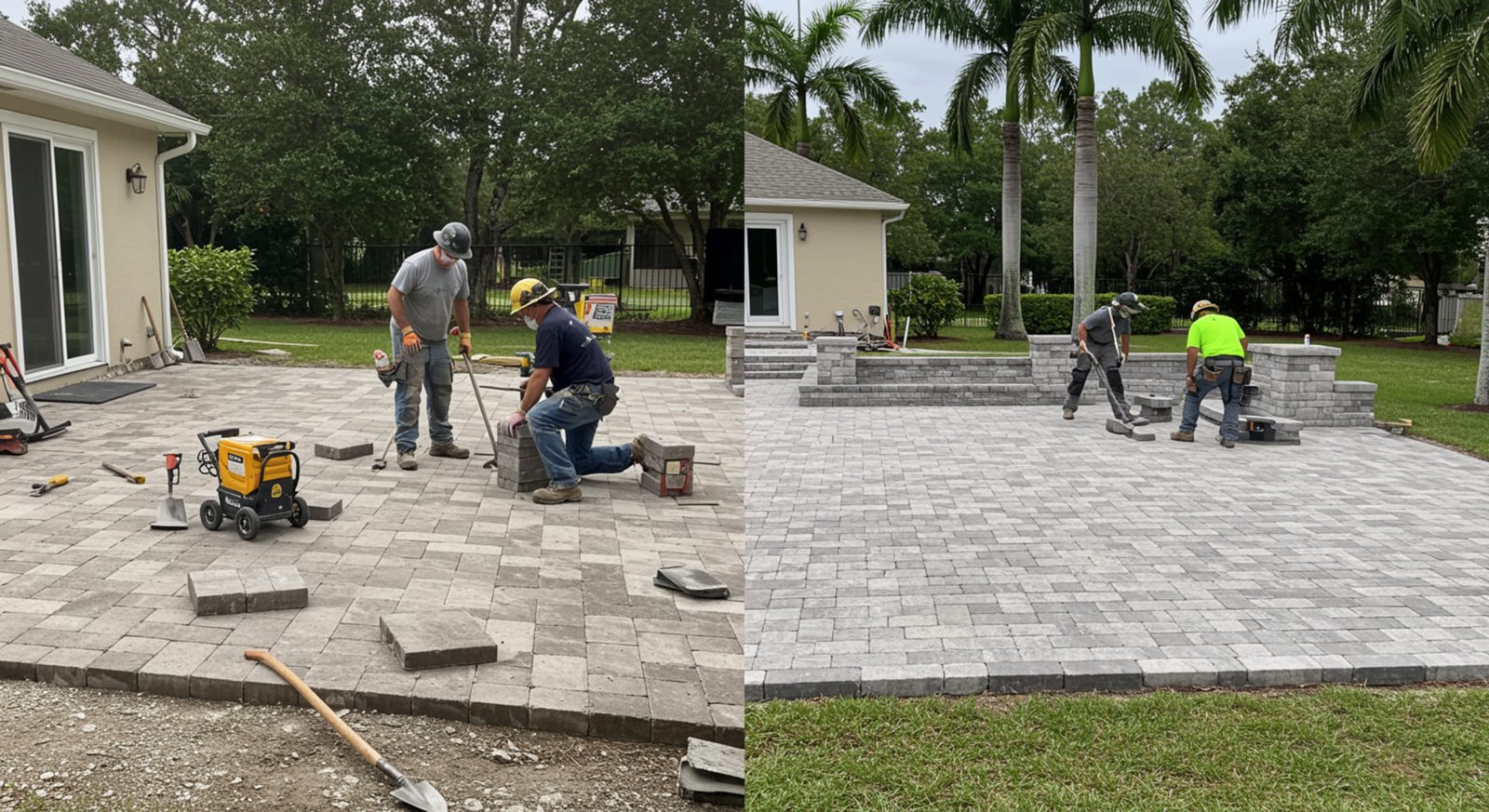
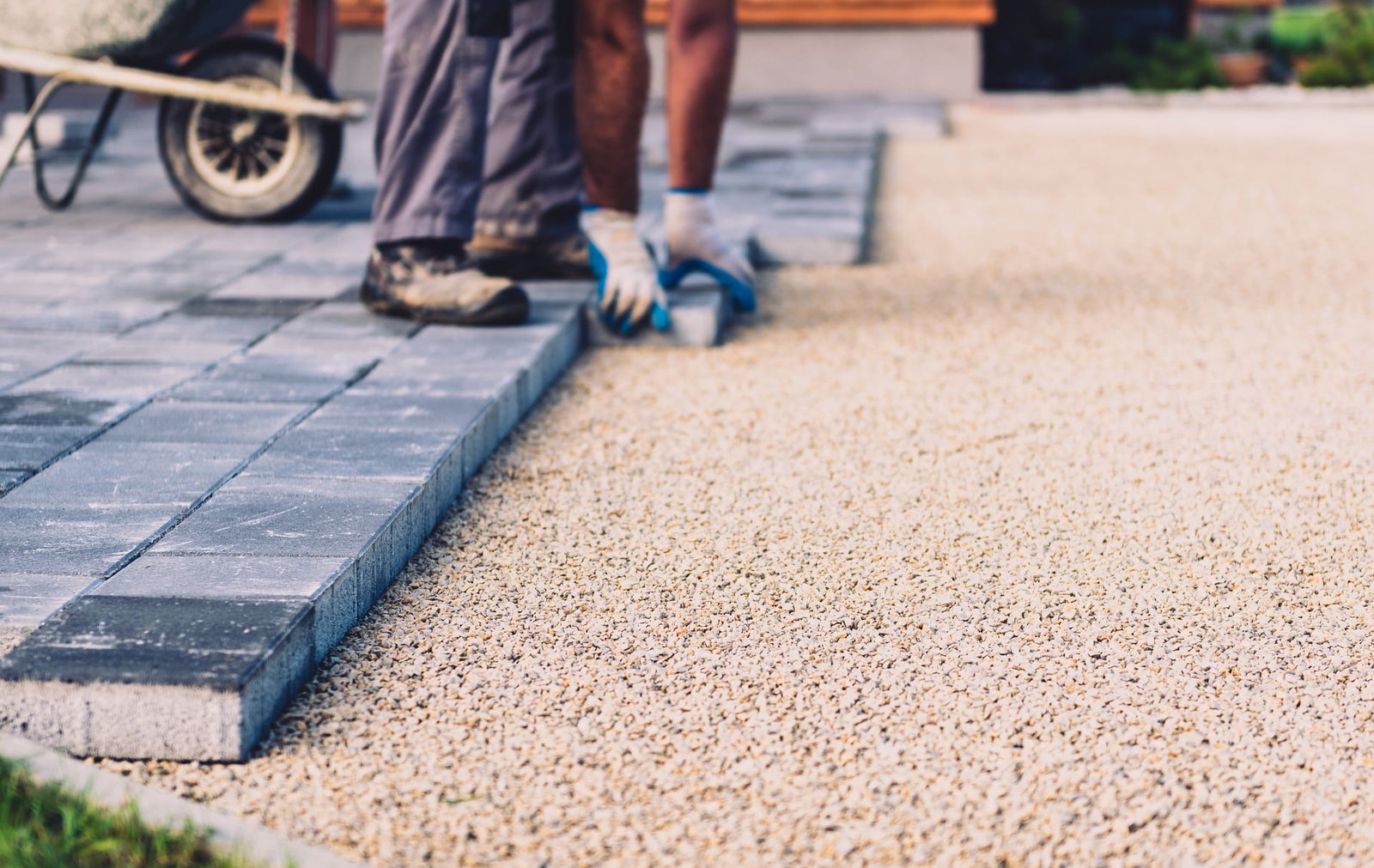
Tight spaces demand careful order of operations. First, the layout and grades have to be correct. Next, the path and hard edges should be installed so the corridor reads cleanly. Then, turf and finish details can be integrated without weakening access or cleanup. As a result, each step protects the next one instead of crowding the work area or forcing corrections later.
What Changed in Daily Use
A finished side-yard transformation usually improves more than appearance. It can make maintenance simpler, keep the route cleaner after rain, and turn a once-ignored area into a proper part of the property. In addition, the improved privacy and stronger path layout often make the backyard feel better as a whole, because the side yard no longer drags the property down visually.
If you want to compare this type of upgrade against other completed outdoor renovations, the projects gallery is the most useful next step because it shows how narrow spaces can be integrated into the wider property design.
The planning logic in UF/IFAS Florida-Friendly Landscape Conversion also supports this kind of transformation, because it reinforces the value of a coordinated layout, lower-maintenance surface choices, and site-aware design decisions instead of piecemeal updates.
When a Professional Plan Adds the Most Value
If the side yard has drainage issues, awkward width, multiple service lines, or competing privacy goals, a professional plan usually saves time and revisions. That is especially true when the space connects directly to a broader backyard project. At that point, the best result comes from treating the corridor like an important design zone rather than like leftover footage.
How Brevard County Conditions Change the Decision
Central Florida conditions change how homeowners should evaluate a side-yard transformation. Strong sun, sudden rain, sandy soils, and year-round outdoor use can expose weak planning quickly. Because of that, the right answer is usually the one that performs after the first storm and through the hottest months, not only the one that looks attractive in a showroom, sample board, or online inspiration photo.
In practical terms, local planning should account for drainage, privacy, service access, cleanup, and how the corridor connects the front and back of the property. When those conditions are discussed early, the homeowner gets a much clearer idea of what belongs in the scope and what should be treated as an optional upgrade instead. As a result, side yard transformation Brevard County becomes easier to evaluate in terms of function, maintenance, and long-term value rather than only by first impression.
Questions to Ask Before You Move Forward
Homeowners often save time and money by asking better questions before they approve the project. That does not mean turning the first consultation into an interrogation. It means making sure the proposal, the schedule, and the expectations all match what the property actually needs. Therefore, these are the questions that usually create the most clarity early in the process.
- What exactly is included? Ask where preparation, cleanup, and correction work begin and end.
- What is excluded? Clarify whether drainage, utility, demo, or finish-detail items could change the final scope.
- How does the site affect the job? Ask what the contractor sees in access, grade, runoff, or layout that could influence execution.
- What maintenance follows the project? Confirm what the homeowner should expect after installation or correction is complete.
- What could slow the schedule? Ask whether weather, approvals, product lead time, or sequencing with other work could affect timing.
- How does this fit a larger yard plan? Even if the scope is focused, ask whether the work should be coordinated with later phases.
Those questions matter because they shift the conversation away from vague assumptions and toward measurable scope. In turn, the homeowner can compare proposals more honestly, decide which upgrades are worth including now, and avoid paying later for details that should have been addressed on day one.
Mistakes That Usually Create Rework
The most expensive mistakes are usually not decorative. They happen when homeowners approve a side-yard transformation without fully understanding the site conditions, the sequence of work, or the maintenance expectations that follow. In addition, some projects disappoint because the design looks right in isolation but conflicts with circulation, drainage, privacy, or adjacent features once it is built.
Another recurring mistake is trying to save money in the wrong place. Cutting prep, ignoring edge conditions, postponing an important correction, or accepting a vague quote can all make the project seem affordable at the start. However, those shortcuts often create more friction after the crew leaves. Consequently, a smarter budget usually protects the structural and performance pieces first and treats cosmetic simplifications as the safer place to trim.
When It Makes Sense to Phase the Project
Not every homeowner needs to complete the whole yard at once. In many cases, a side-yard transformation can be phased successfully when the sequence is chosen carefully. For example, one phase may handle drainage, access, or the most important surface change, while a later phase adds complementary upgrades once the homeowner is ready. That approach can work well when the initial scope is designed with the future steps in mind.
On the other hand, some projects should not be fragmented carelessly. If the work relies on coordinated grading, shared access, or tied-together materials, a piecemeal approach can create awkward transitions or repeated labor. Therefore, the smartest phasing plan is the one that separates scope logically rather than simply postponing random pieces. That distinction often determines whether the later phases feel seamless or improvised.
Quick Homeowner Checklist Before Approval
Before you approve side yard transformation Brevard County, it helps to review the basics one more time in plain language. This final check keeps the project grounded in the conditions of the property instead of in the excitement of a render, inspiration image, or fast quote.
- Confirm the exact scope in writing, not only in conversation.
- Make sure site-specific concerns such as runoff, access, grade, or visibility were discussed.
- Check whether the project should coordinate with a fence, patio, turf, pergola, driveway, or another nearby element.
- Clarify whether approvals, utilities, or product lead times could affect the schedule.
- Ask what the finished result will require from the homeowner in maintenance or follow-up care.
- Compare the proposal to long-term use, not just to the cheapest short-term option.
When homeowners go through that checklist, the next step usually becomes much clearer. Sometimes the result is greater confidence in moving ahead quickly. Other times, it reveals that a small adjustment in scope would produce a better outcome. Either way, the project moves forward with better information, which is usually the best protection against regret.
Frequently Asked Questions
How early should homeowners start planning side yard transformation Brevard County?
The best time to start is usually earlier than most homeowners expect. Once the project begins affecting layout, drainage, approvals, or how another outdoor feature will be used, early planning becomes valuable. Because of that, even homeowners who are not ready to book immediately still benefit from clarifying the scope before they start buying materials or locking design decisions too tightly.
What usually changes the budget or timeline the most for side yard transformation Brevard County?
Site conditions and scope clarity usually have the biggest influence. Access, drainage, utility coordination, layout revisions, and whether the work connects to another part of the yard can all change pricing more than homeowners expect. As a result, the most accurate estimate usually comes after the property has been reviewed in context rather than from a fast square-foot guess.
Can this type of project be combined with other outdoor improvements?
Often, yes. In fact, many homeowners get better long-term results when they view the work as one part of a broader outdoor plan. The key is making sure the first phase does not block a later phase or force rework. Therefore, bundling should be based on shared layout and sequencing benefits rather than on trying to do everything at once without a plan.
What is the biggest mistake homeowners should avoid?
The biggest mistake is assuming the visible finish tells the whole story. Projects like this succeed when the invisible decisions are handled well first, including prep, layout, drainage, approvals, and maintenance expectations. In other words, a polished surface or attractive design can still disappoint if the underlying planning never matched the property.
How to Make the Final Decision With More Confidence
Homeowners usually feel more confident about side yard transformation Brevard County when they stop asking only, ‘How much will this cost?’ and start asking, ‘What will make this hold up, look right, and stay useful on my property?’ That shift changes the whole decision. It moves the conversation away from surface-only comparisons and toward the real factors that protect value over time.
That does not mean every project needs the highest-end option. It means the chosen option should match how the property works, how the homeowner wants to use the space, and how much maintenance they are prepared to handle after the installation is complete. Once those three questions are answered honestly, the best path usually becomes easier to see.
Should Homeowners Wait or Start Planning Now?
If the project is already affecting safety, maintenance, approvals, or how other parts of the yard can be used, starting the planning process now is usually the better move. Even when the work itself is scheduled later, early planning helps homeowners protect the budget, clarify scope, and avoid rushed choices. Therefore, acting early does not always mean building immediately. Often, it simply means giving the project enough time to be done well.
Ready to transform your yard with low-maintenance turf? Contact Golden Outdoor Solutions or call +1 (321) 745-9047 for a free consultation anywhere in Brevard County, browse recent outdoor work in the projects gallery, follow new updates on Instagram and Facebook, read local feedback on Google reviews, or send a quick message through WhatsApp if you want help with side yard transformation Brevard County planning.