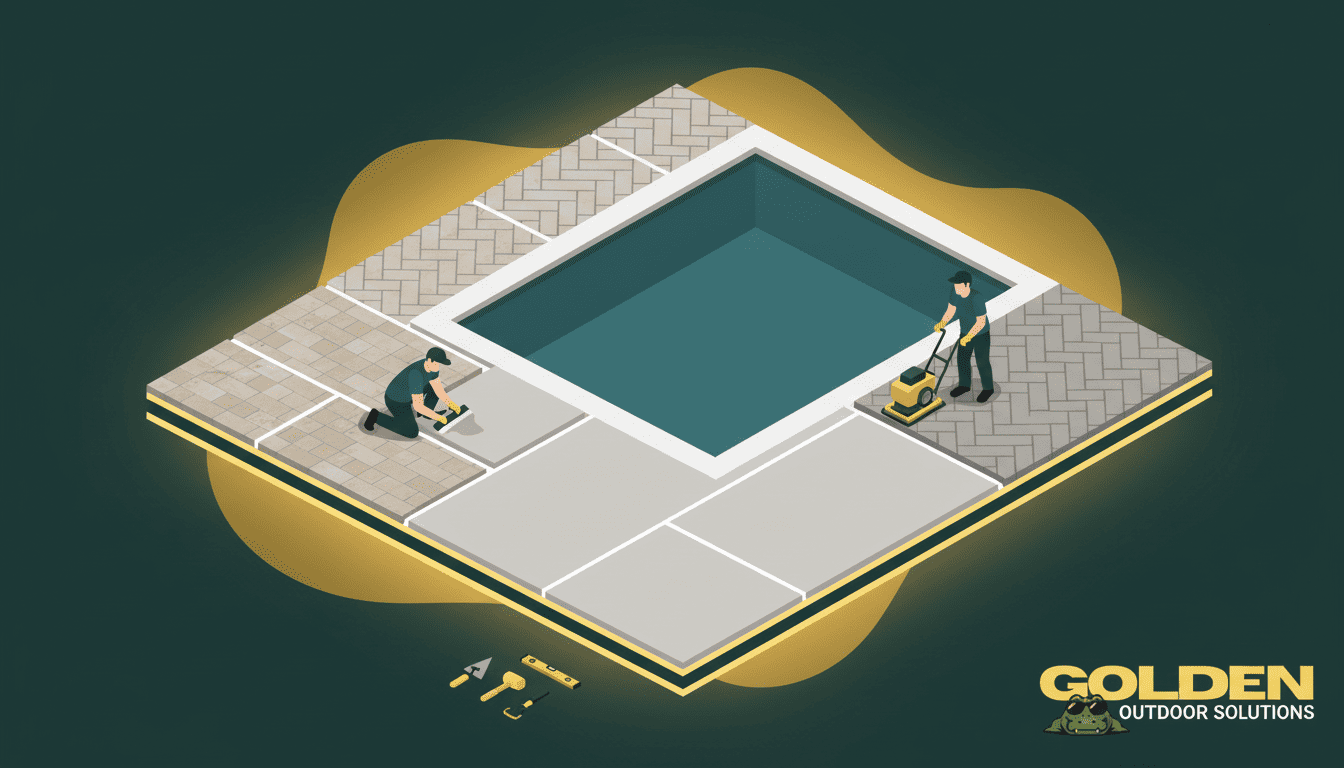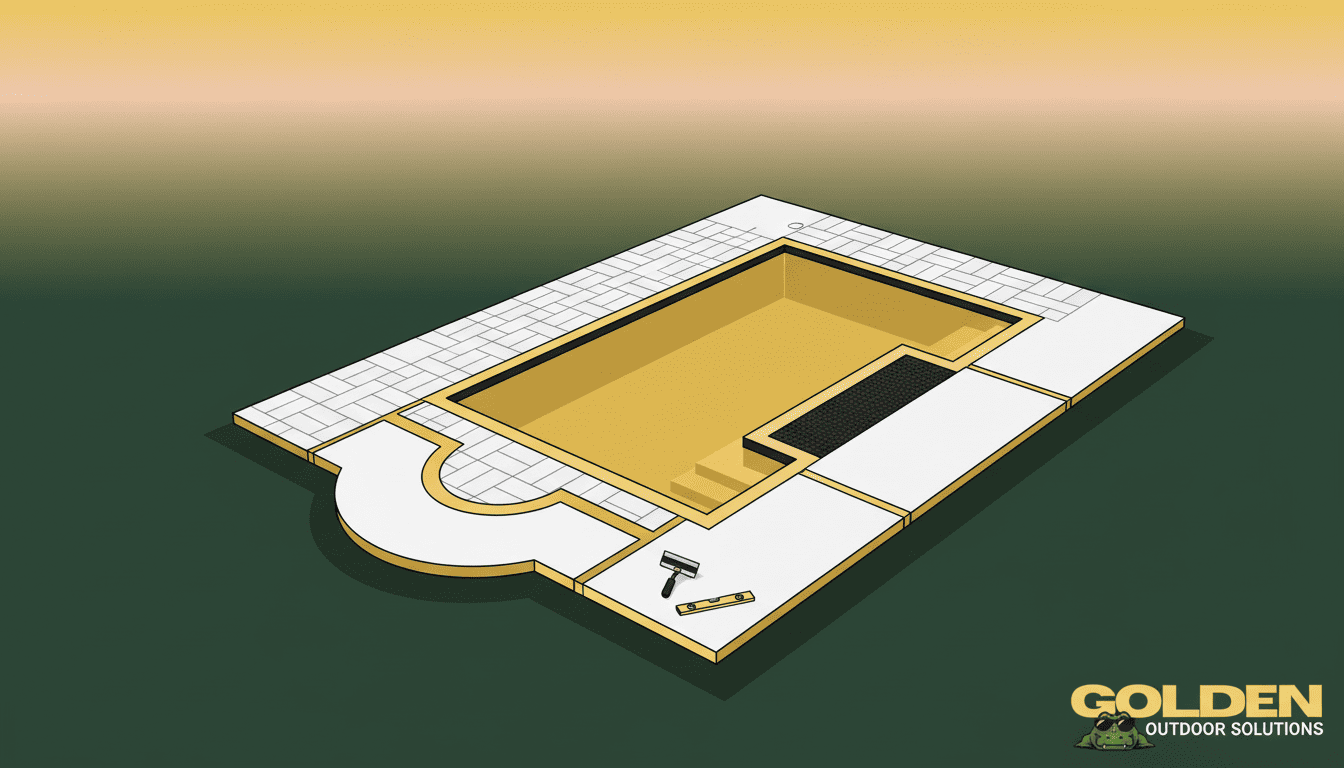
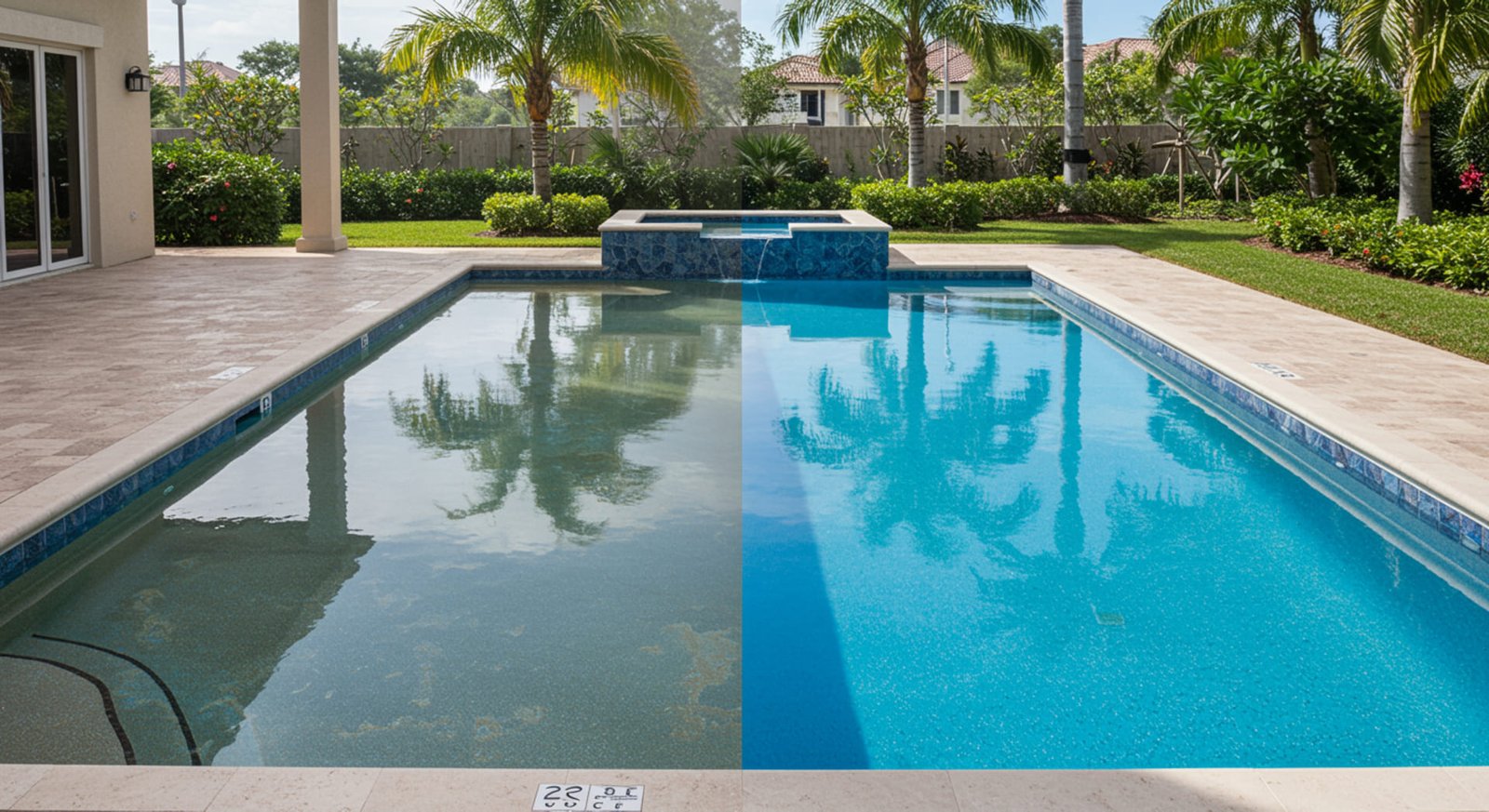
Pool resurfacing in Florida is one of the most common maintenance projects for homeowners — and for good reason. Between the hot sun, pool chemicals, and year-round use, your pool’s surface naturally wears down over time. Knowing when and how to resurface it ensures your pool remains both beautiful and safe.
Let’s explore the signs that it’s time for resurfacing, the best materials for Florida’s climate, and why hiring professionals can save you time and costly repairs in the long run.
🧱 1. When Does Your Pool Need Resurfacing?
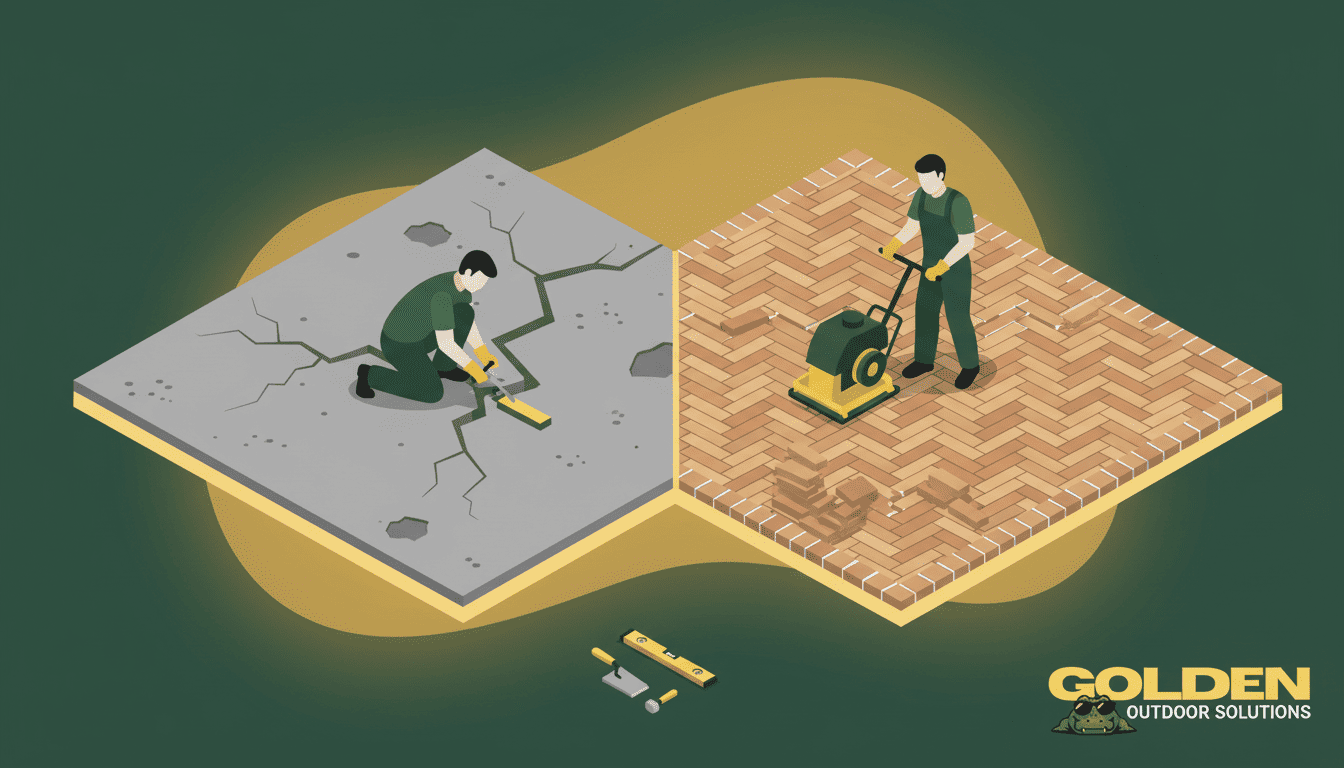
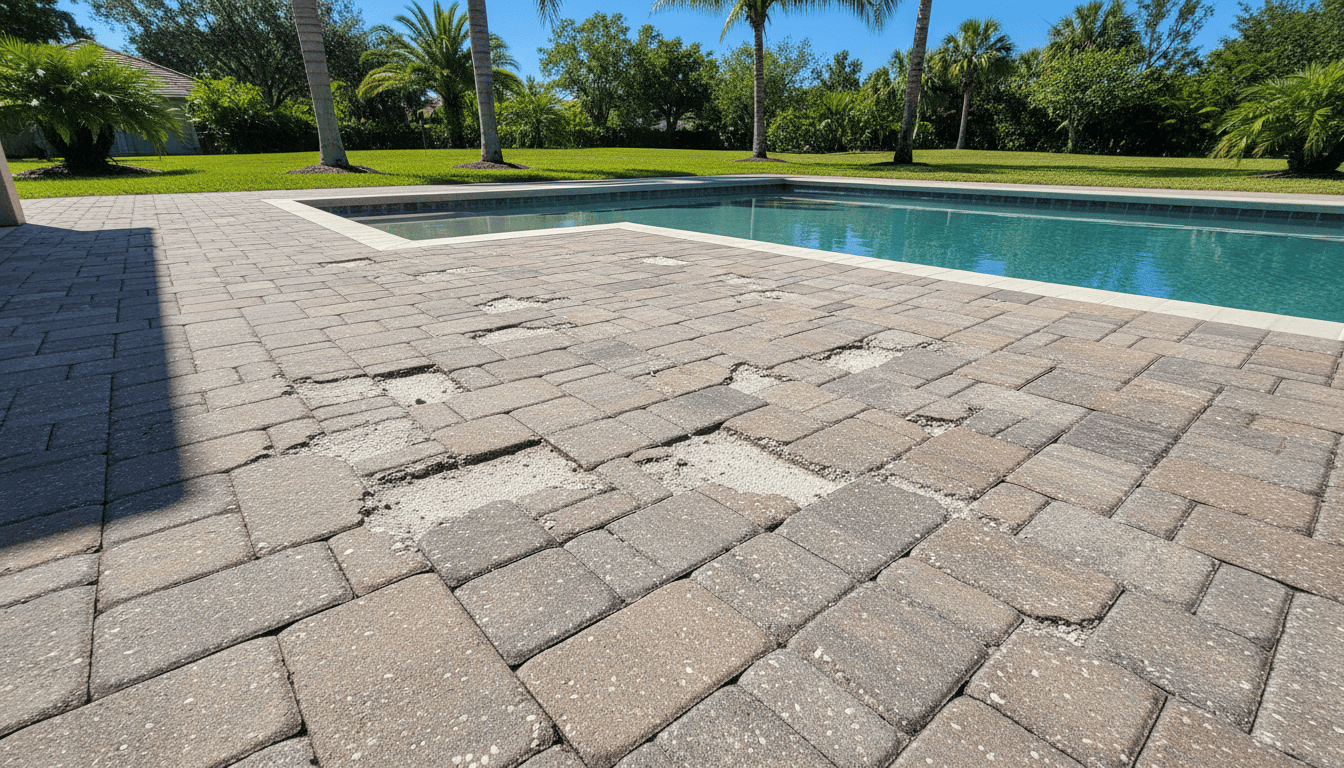
Even the most well-maintained pools eventually show signs of wear. If you notice peeling plaster, rough patches, discoloration, or visible cracks, it’s likely time to consider pool resurfacing.
In Florida’s climate, most pools require resurfacing every 10 to 15 years, depending on the material and maintenance frequency.
Ignoring these early signs can lead to leaks or algae buildup — issues that quickly turn minor repairs into major expenses.
💧 2. Choosing the Right Resurfacing Material
Your choice of material determines not only your pool’s look but also its longevity and comfort. The most popular pool resurfacing materials in Florida include:
- Quartz Finish — A durable option that resists staining and maintains color under UV exposure.
- Pebble Tec or Pebble Sheen — Textured finishes that add a natural look while enhancing slip resistance.
- Polished Marble or Aggregate Finishes — Ideal for a smooth, luxurious feel and long-lasting performance.
Golden Outdoor Solutions always recommends materials that withstand Florida’s heat and pool chemistry while enhancing your backyard aesthetics.
🛠️ 3. Professional vs DIY Pool Resurfacing
Some homeowners consider a DIY approach to save money. However, professional pool resurfacing ensures proper surface preparation, uniform finish, and long-term durability.
DIY resurfacing often fails due to incorrect curing, poor drainage management, or uneven application — problems that professionals prevent with specialized tools and expertise.
Hiring certified professionals like Golden Outdoor Solutions guarantees a smooth process, backed by experience in Florida’s unique soil and humidity conditions.
🌞 4. Timing Your Pool Resurfacing
Florida’s mild winters make fall and early spring the best times to resurface pools. Lower humidity and cooler temperatures allow materials to cure evenly, ensuring maximum adhesion and long-term results.
Plan your resurfacing during off-season months to avoid scheduling delays and enjoy your refreshed pool just in time for summer.
🌴 5. The Outcome: A Safer, More Beautiful Pool
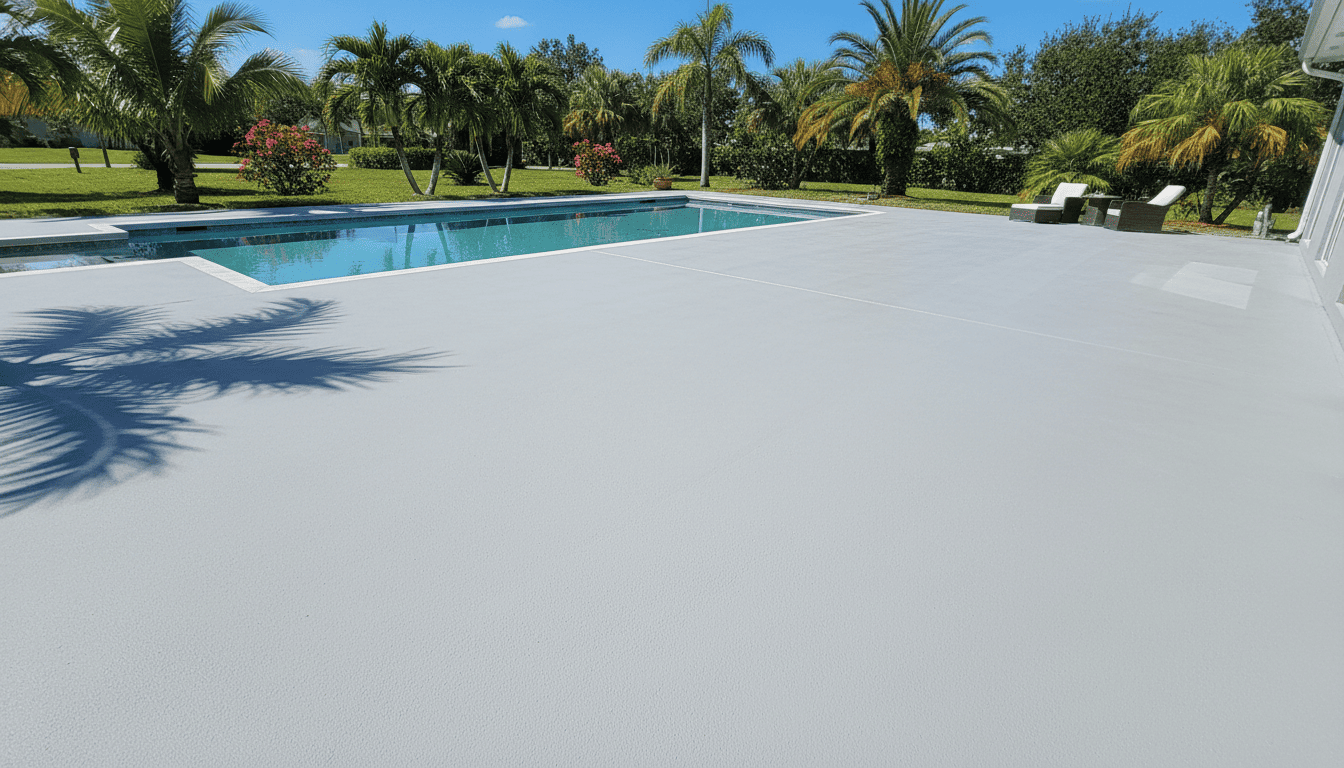
Once resurfaced, your pool regains its smooth texture, vibrant color, and safe, slip-resistant surface. Regular cleaning and balanced chemistry will keep it in perfect shape for years to come — extending the life of your investment and improving your property’s value.
Ready to renew your pool’s surface?
📞 Contact Golden Outdoor Solutions at +1 (321) 745-9047 or email contact@goldenoutdoorsolutions.com for a free resurfacing consultation anywhere in Central Florida.