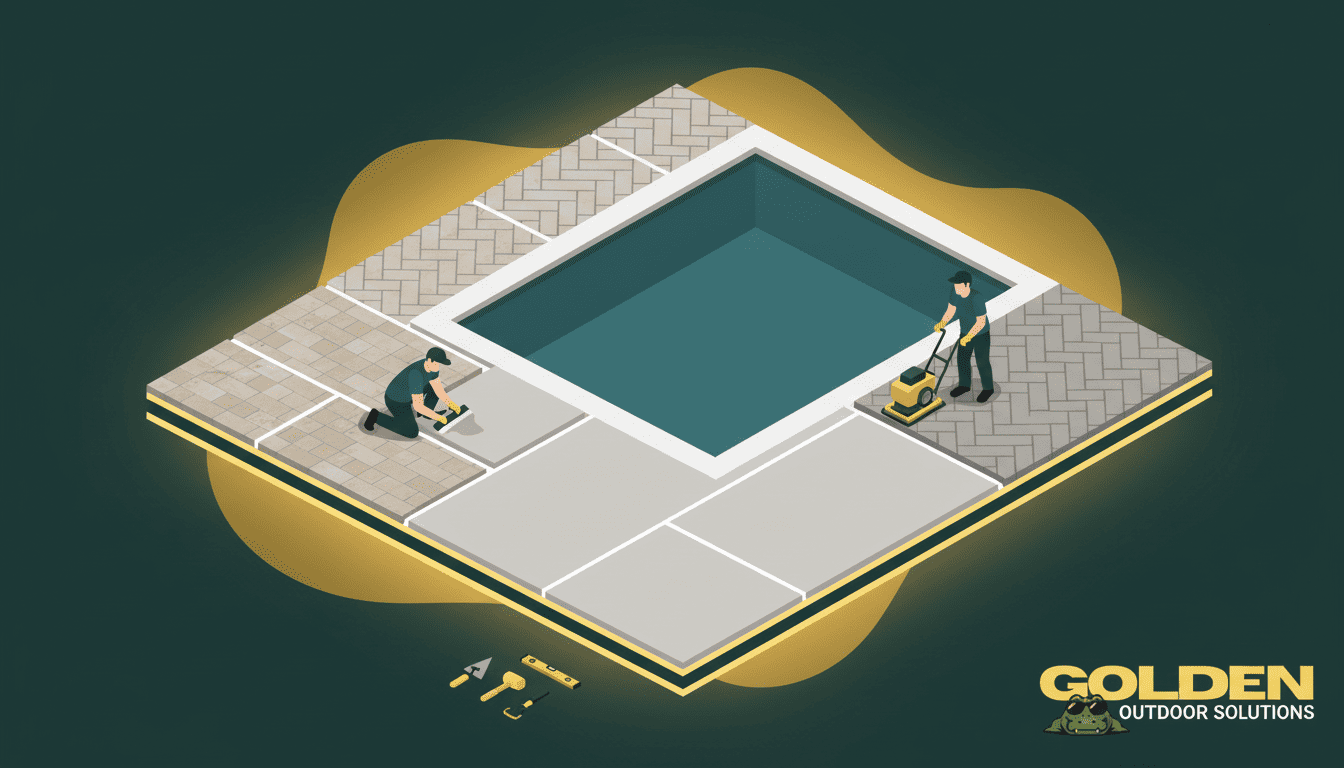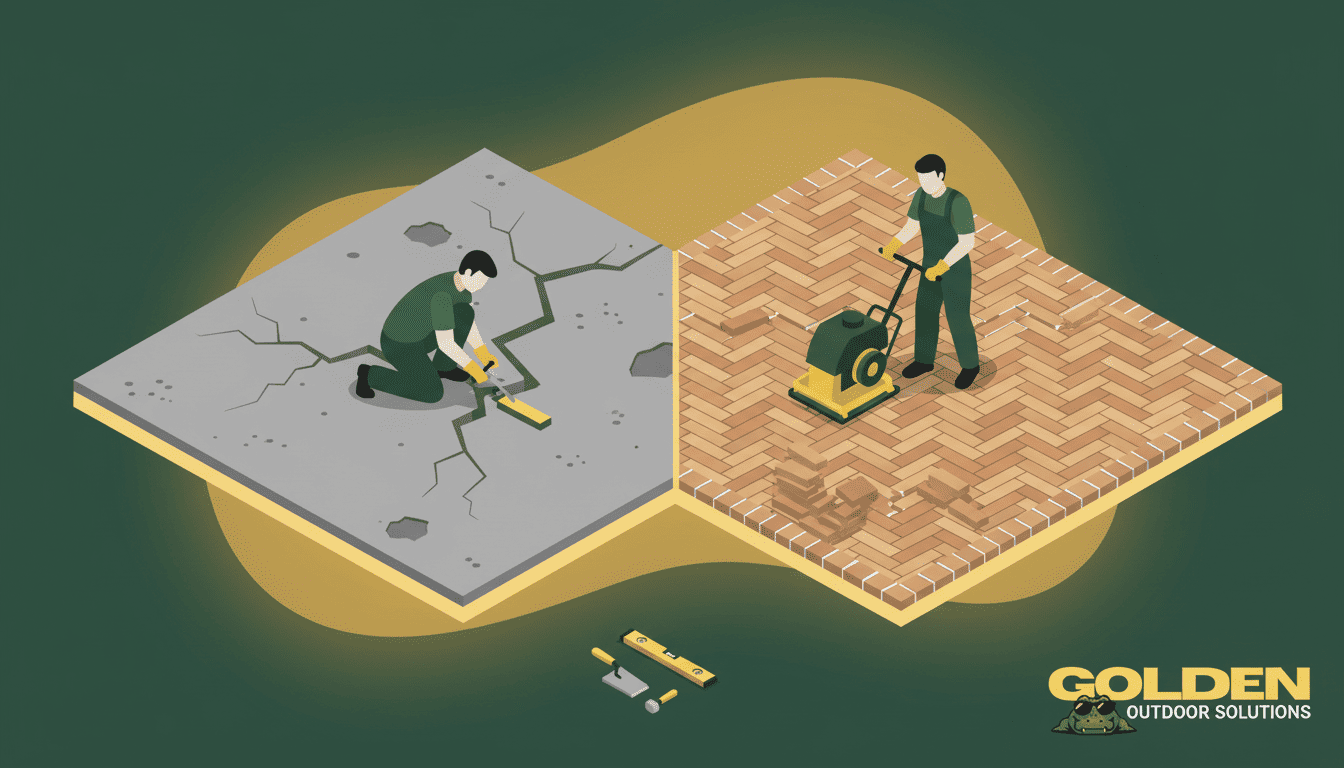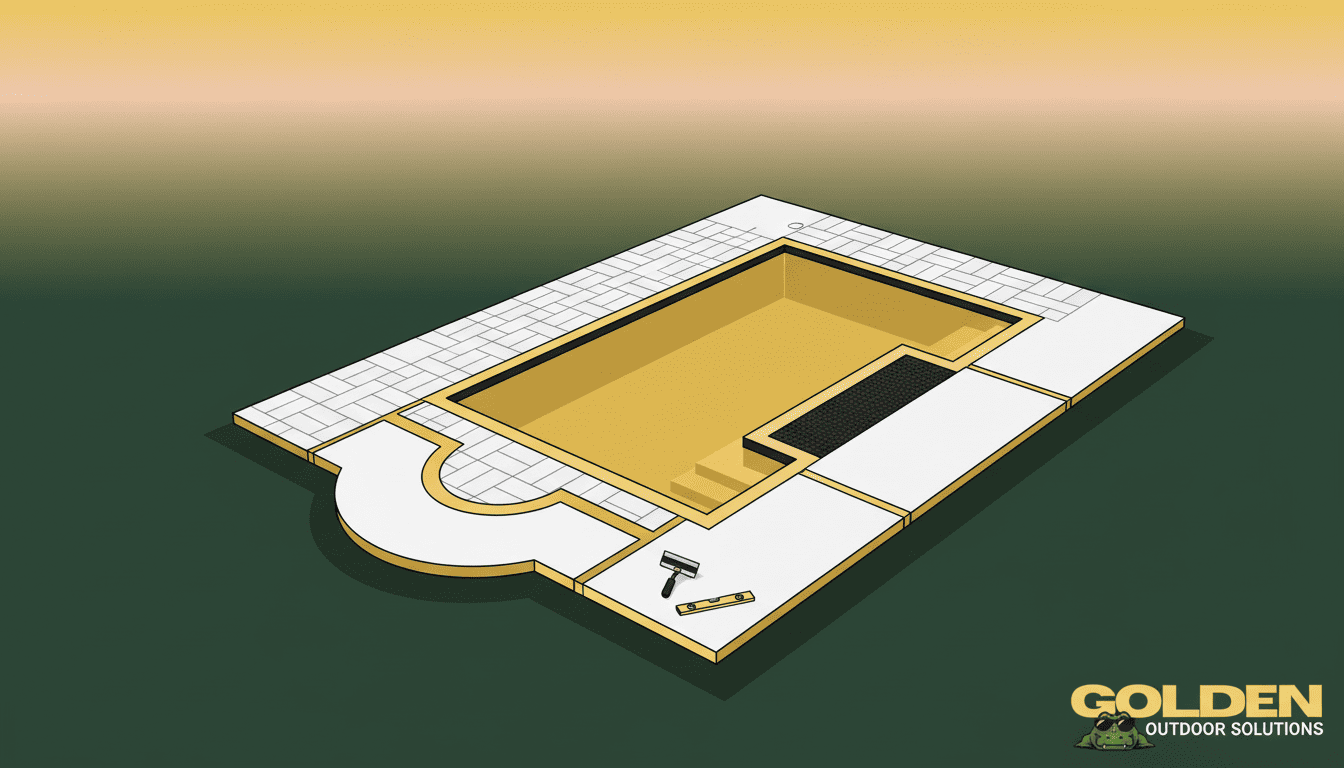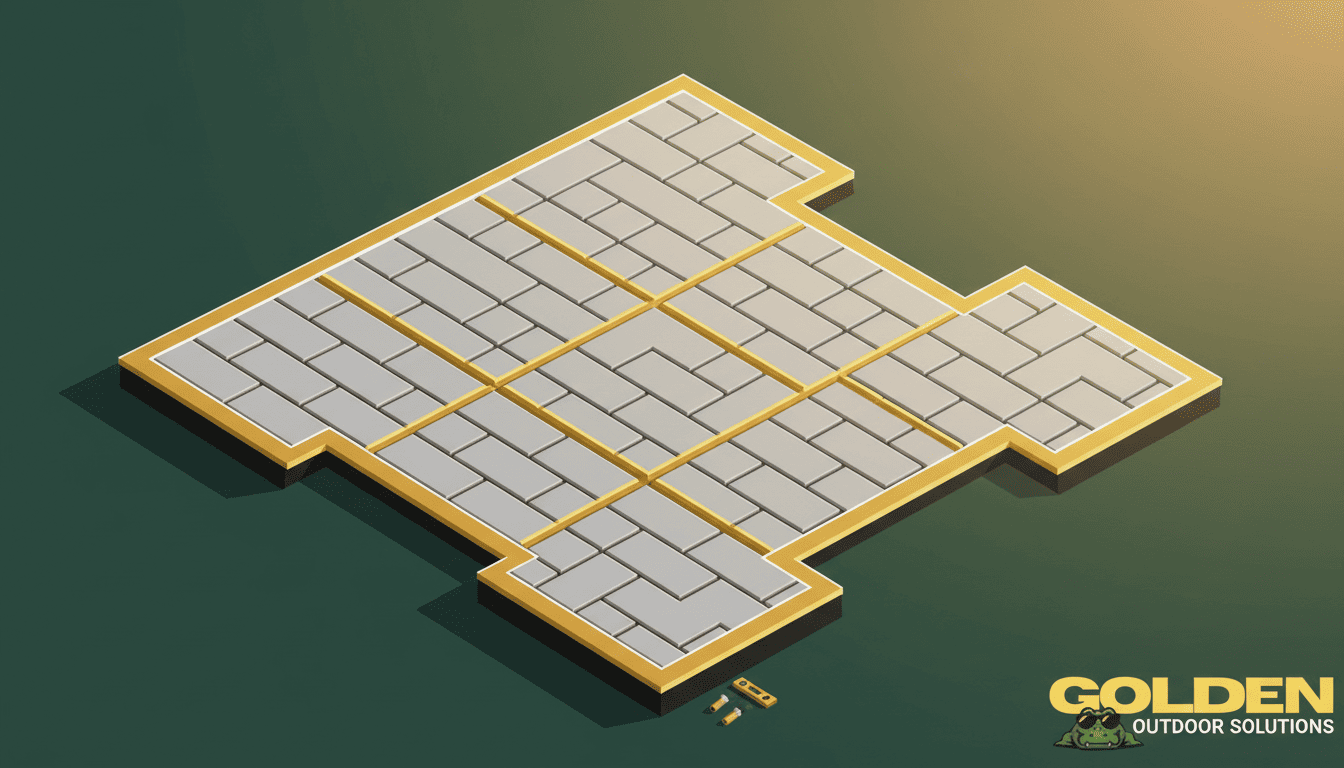
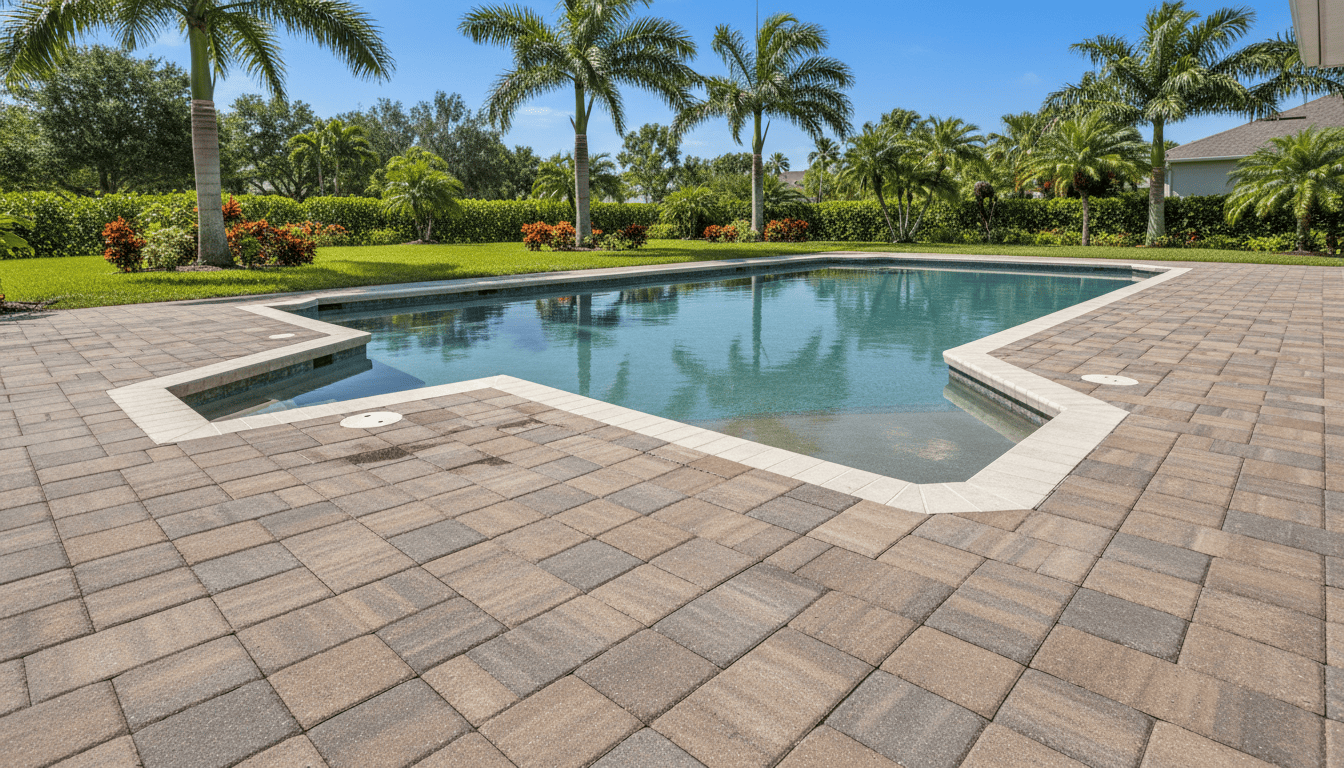
Pool deck settling in Florida is a common structural issue homeowners notice when sections of the deck begin to sink, slope, or feel uneven underfoot. While surface cracks often draw attention first, settlement usually starts below the slab, where soil conditions change over time.
Florida’s sandy soil, high water table, and heavy rainfall create an environment where soil can shift, erode, or lose compaction. When this happens, the concrete above no longer has uniform support.
Understanding why pool deck settling occurs and how it can be corrected helps homeowners prevent safety hazards and costly structural damage.
Why Pool Deck Settling Happens in Florida
Several environmental factors contribute to pool deck settling in Florida:
- Sandy, loose soil composition
- Heavy rain saturating the base
- Soil erosion beneath slabs
- Poor initial compaction
- Drainage issues around the pool
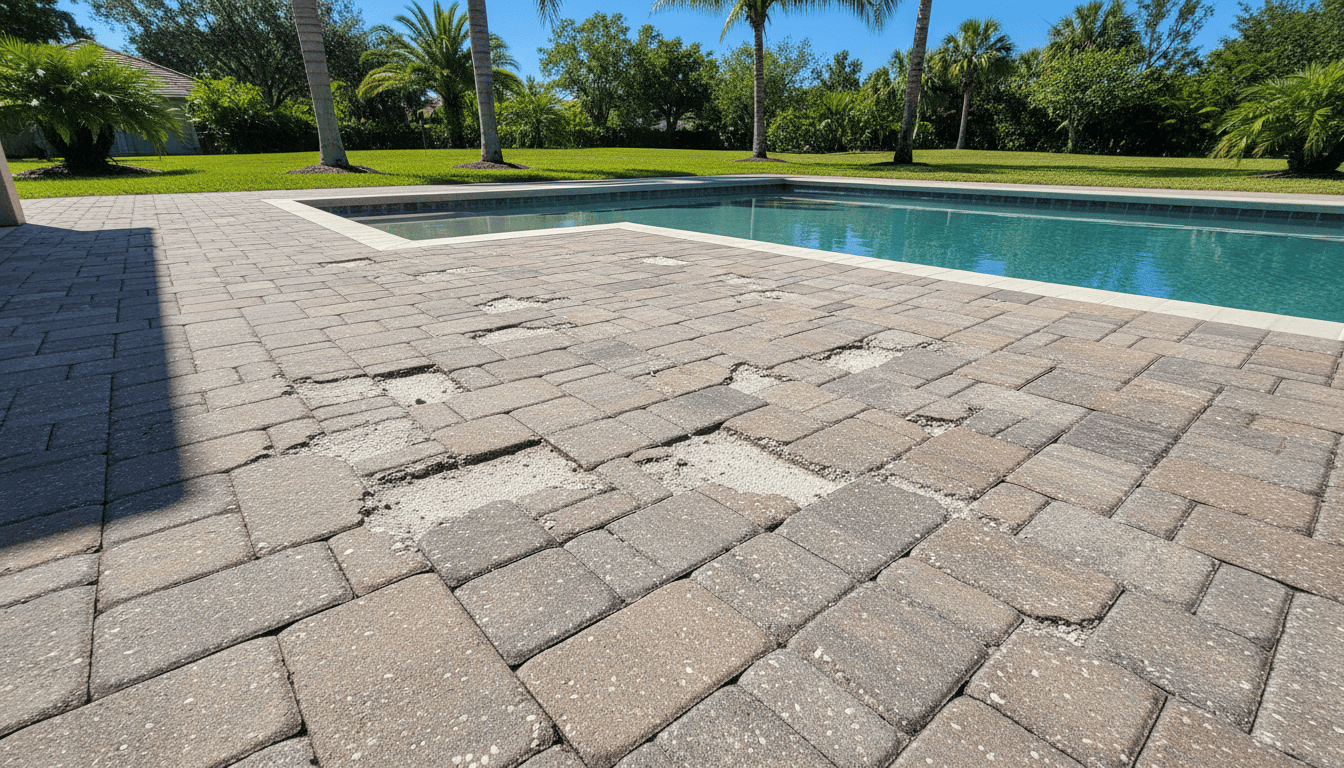
When soil loses density or washes away, voids form beneath the concrete. Over time, the slab sinks into these gaps.
Pool deck settling in Florida is a structural response to unstable ground conditions, not just surface wear.
Early Signs of Pool Deck Settling
Homeowners may notice:
- Sloped or uneven deck sections
- Cracks forming in straight or diagonal lines
- Gaps between the deck and pool coping
- Water pooling in low areas
- Doors or gates near the pool becoming misaligned
These warning signs indicate underlying movement that should be addressed promptly.
Why Settling Creates Safety and Structural Risks
Uneven pool decks increase:
- Trip hazards
- Slip risks near wet areas
- Water pooling that worsens damage
- Stress on surrounding structures
Pool deck settling in Florida compromises both safety and long-term performance.
Ignoring settlement allows movement to continue, increasing repair complexity.
Common Causes of Soil Instability Around Pool Decks
Improper Base Preparation
Insufficient compaction during installation leaves soil vulnerable to movement.
Water Intrusion
Poor drainage allows water to saturate and weaken the base.
Erosion Over Time
Rainwater can slowly wash soil away from beneath the slab.
Aging Construction
Older pool decks may not meet modern compaction or drainage standards.
Identifying the cause is essential for effective correction.
Professional Solutions for Pool Deck Settling in Florida
Base Stabilization
Stabilizing the soil beneath the slab prevents continued movement.
Surface Re-Leveling
Once stability is restored, surfaces are leveled to eliminate uneven transitions.
Resurfacing Systems
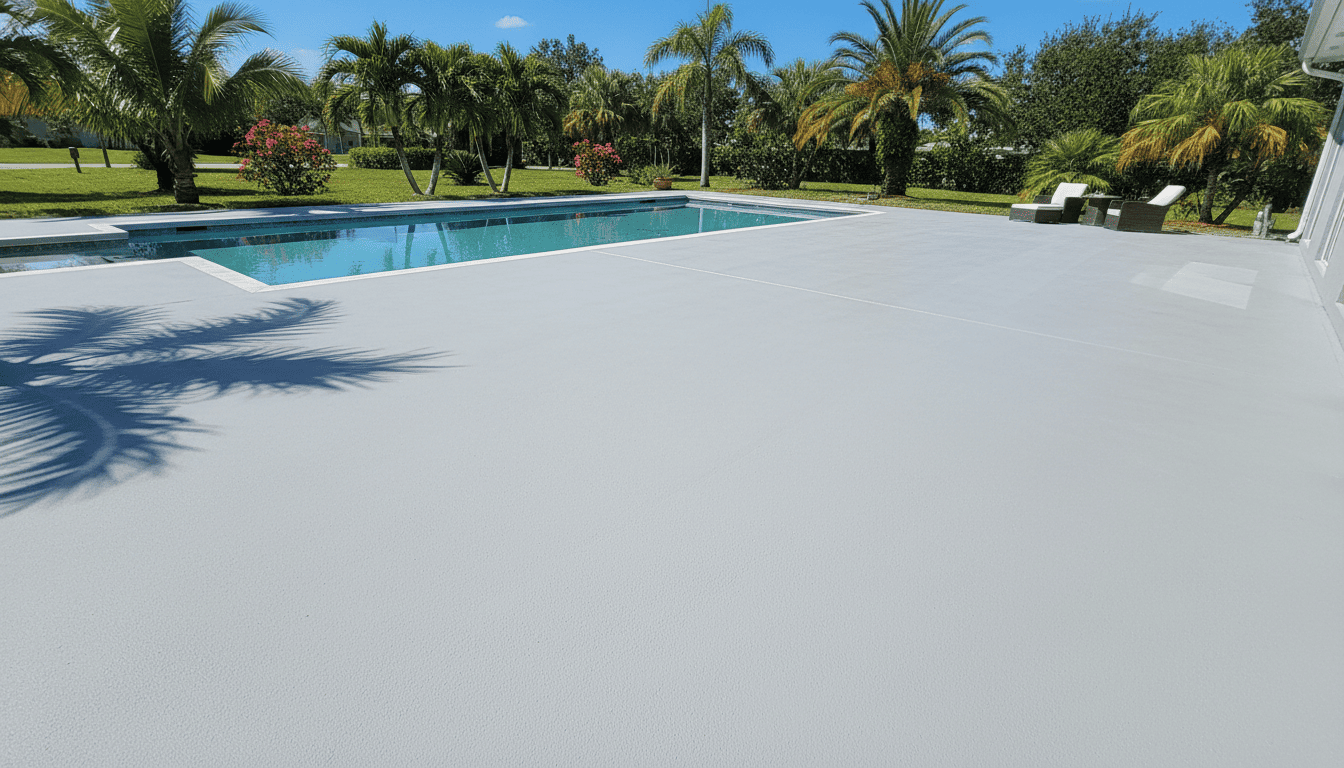
Resurfacing restores a uniform, seamless finish after settlement correction.
Drainage Improvements
Redirecting water away from the deck prevents future soil erosion.
Correcting settlement requires addressing both surface symptoms and subsurface causes.
Why Surface Repairs Alone Are Not Enough
Filling cracks without correcting settlement leads to recurring problems:
- Cracks reopen
- Slopes worsen
- Water pooling increases
- Repairs fail prematurely
Pool deck settling in Florida must be corrected structurally, not cosmetically.
How Long Do Settlement Corrections Last?
Longevity depends on:
- Proper soil stabilization
- Drainage management
- Professional installation
- Ongoing maintenance
When corrected correctly, settled pool decks can perform reliably for many years.
Why Homeowners Choose Golden Outdoor Solutions
Golden Outdoor Solutions specializes in diagnosing and correcting pool deck settling in Florida with long-term solutions.
Our approach includes:
- Structural evaluation
- Soil and drainage assessment
- Professional leveling and resurfacing
- Climate-adapted materials
We focus on restoring stability, safety, and appearance.
Ready to renew your pool’s surface?
📞 Contact Golden Outdoor Solutions at +1 (321) 745-9047 or email contact@goldenoutdoorsolutions.com
for a free resurfacing consultation anywhere in Central Florida.
Conclusion
Pool deck settling in Florida is caused by soil instability, moisture, and drainage problems beneath the slab. Early correction prevents safety risks and structural damage.
Professional stabilization and resurfacing restore level surfaces and protect long-term performance. Addressing settlement early preserves both safety and property value.