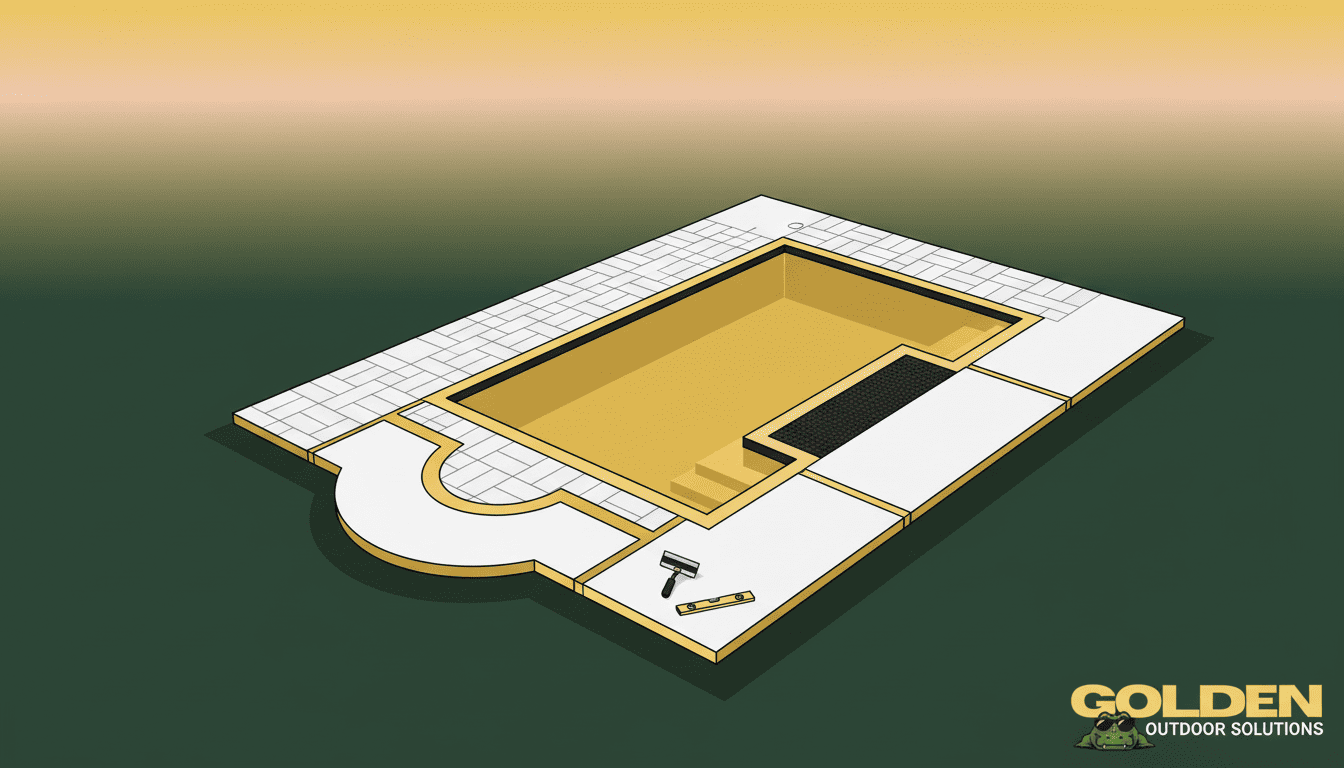
Choosing the right pool deck material in Florida is one of the most important decisions a homeowner makes when building or renovating an outdoor space. The material you select affects safety, comfort, durability, maintenance requirements, and long-term cost — all factors that Florida’s intense climate puts to the test every single year. However, with so many options available, narrowing down the best choice for your specific property can feel overwhelming.
This guide breaks down the most common pool deck materials used across Central Florida, compares their performance in real conditions, and helps you make a confident, informed decision. Furthermore, it addresses the specific challenges that Florida’s heat, UV exposure, humidity, and rainfall create for each surface type.
Why Pool Deck Material in Florida Demands Special Attention
Florida’s climate is unlike almost any other state in the country. First, the UV index regularly reaches extreme levels, causing many surfaces to fade, crack, or degrade faster than manufacturer estimates predict. Then, the wet season delivers concentrated, heavy rainfall that creates pooling water and drainage stress on any surface. In addition, the combination of heat and humidity accelerates mold, algae, and mildew growth on porous materials.
Furthermore, pool deck surfaces face constant exposure to chlorine splash, sunscreen residue, and foot traffic from wet feet — a combination that degrades certain finishes quickly. Most importantly, the surface surrounding your pool must remain slip-resistant even when wet. In Florida, a slippery pool deck is not just an inconvenience — it is a genuine safety risk for every member of your household.
Because of this, the material you choose must perform on multiple fronts simultaneously: heat resistance, slip resistance, drainage capacity, UV stability, and durability under heavy seasonal rain. In other words, choosing a pool deck material in Florida requires a different evaluation framework than choosing one in a northern state with milder conditions.
The Most Common Pool Deck Materials in Florida
Concrete Pool Deck
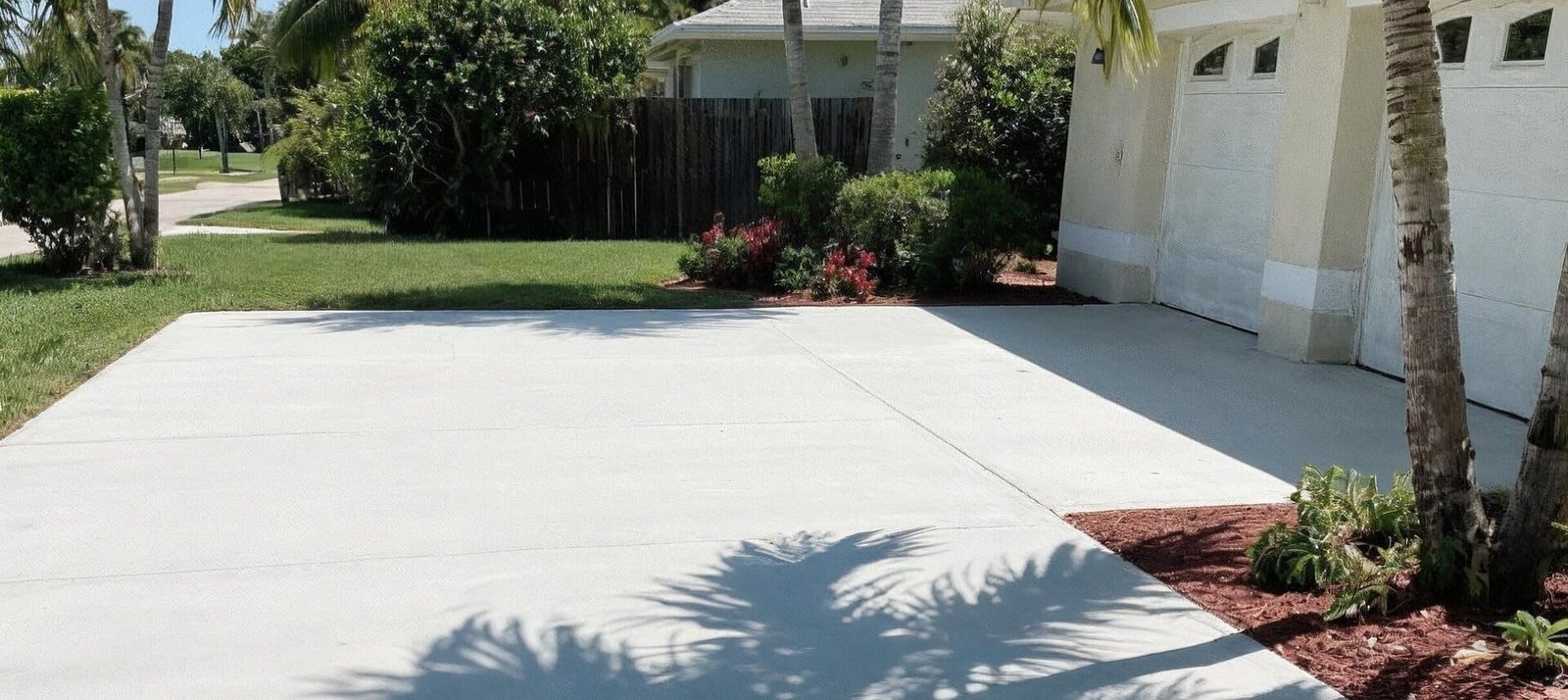
Concrete remains the most widely used pool deck material in Florida. It is cost-effective, highly customizable, and durable when properly installed and maintained. However, plain concrete presents two significant challenges in Florida: heat retention and surface cracking. Bare gray concrete absorbs heat aggressively, making the surface uncomfortable to walk on barefoot during peak afternoon hours.
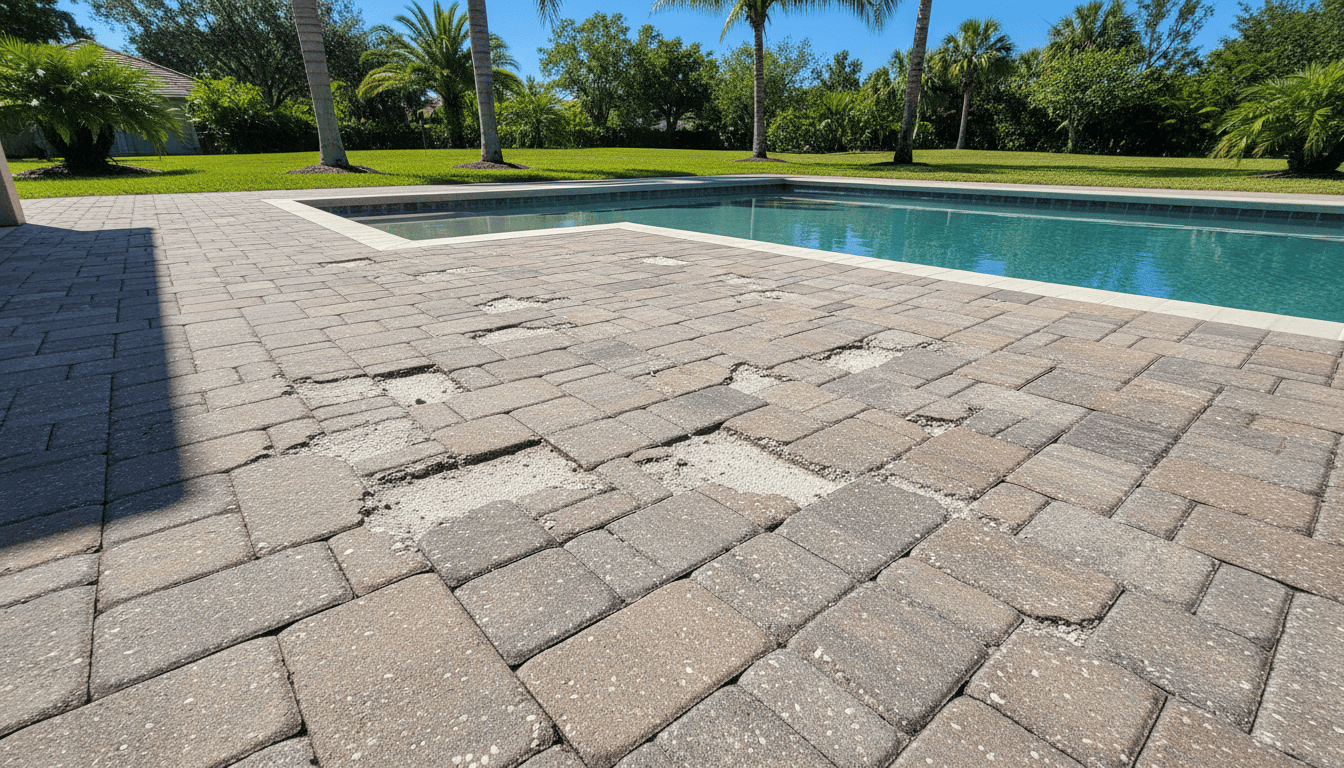
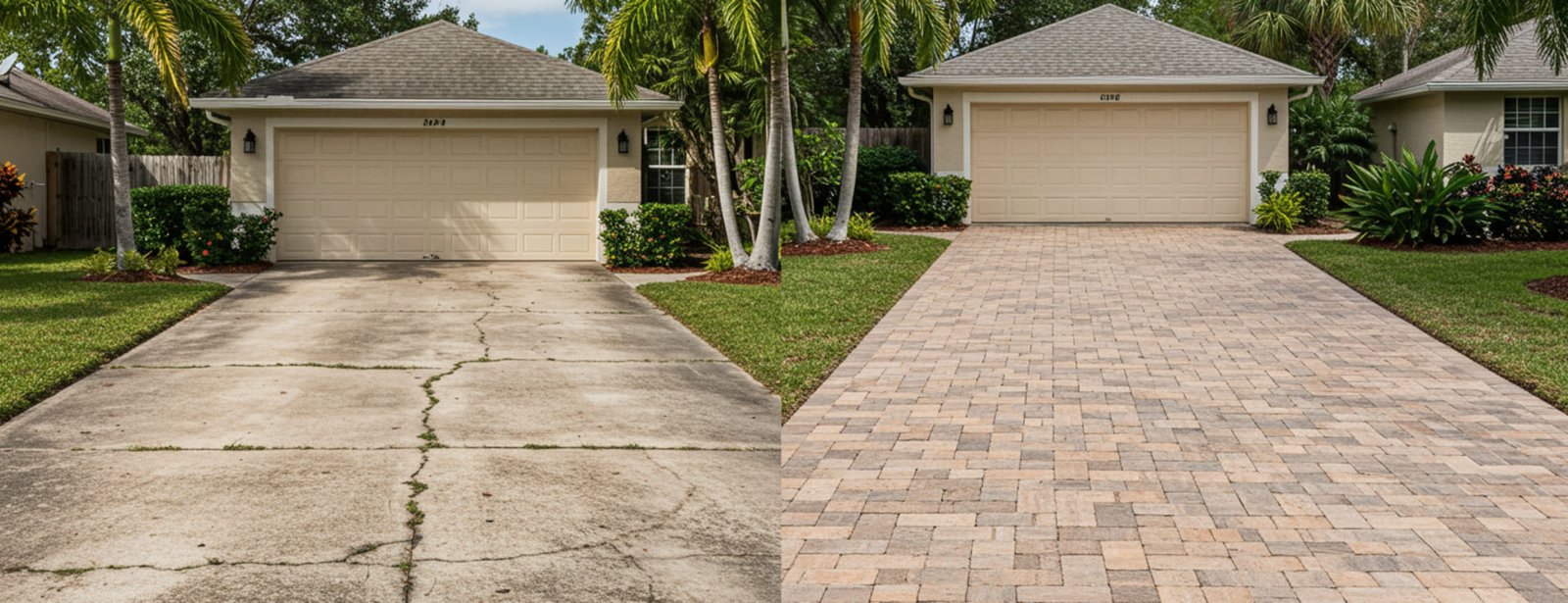
In addition, Florida’s sandy soil shifts seasonally, and concrete slabs crack in response to that movement over time. Fortunately, resurfacing options extend the life of a concrete pool deck significantly. Textured overlays, cool-deck coatings, and stamped concrete finishes address both the heat and aesthetic limitations of plain concrete. For a detailed look at resurfacing options and their performance, our guide on pool deck resurfacing in Florida covers the full process.
Pavers for Pool Decks
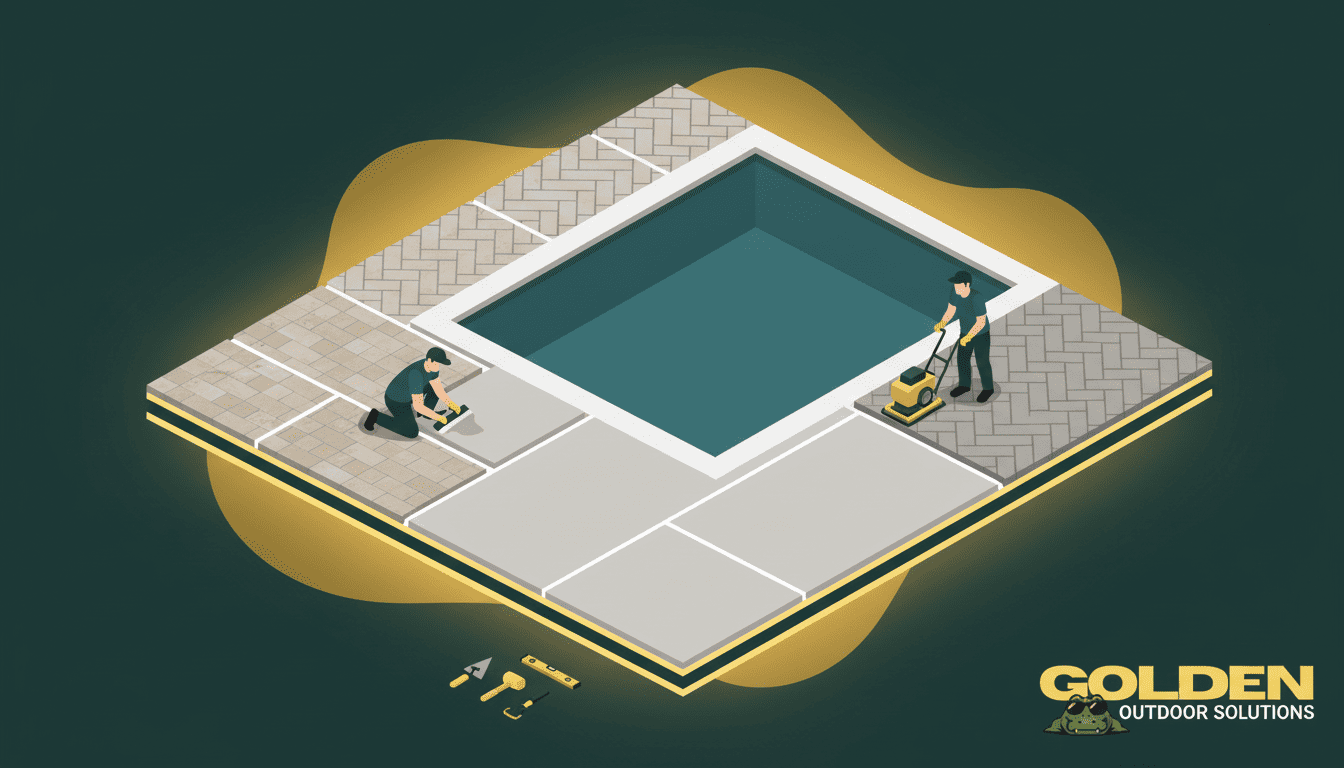
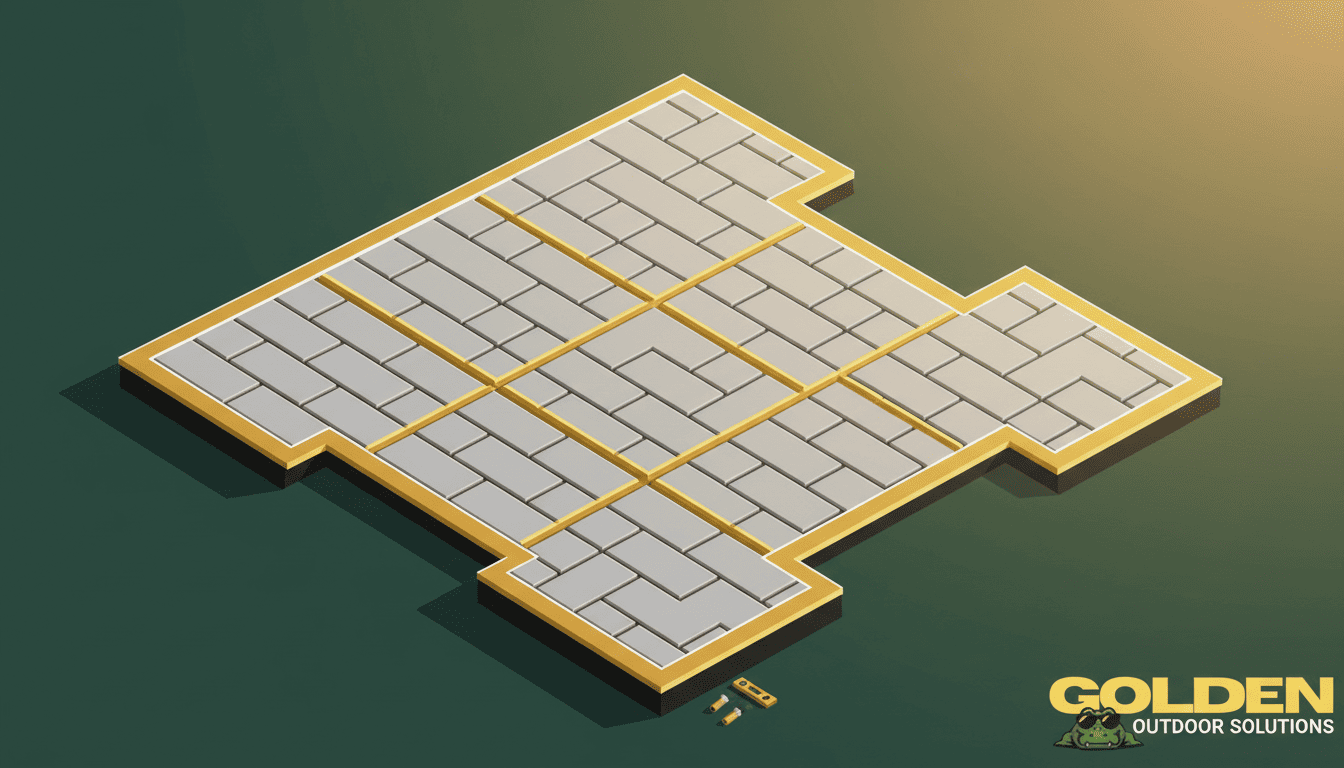
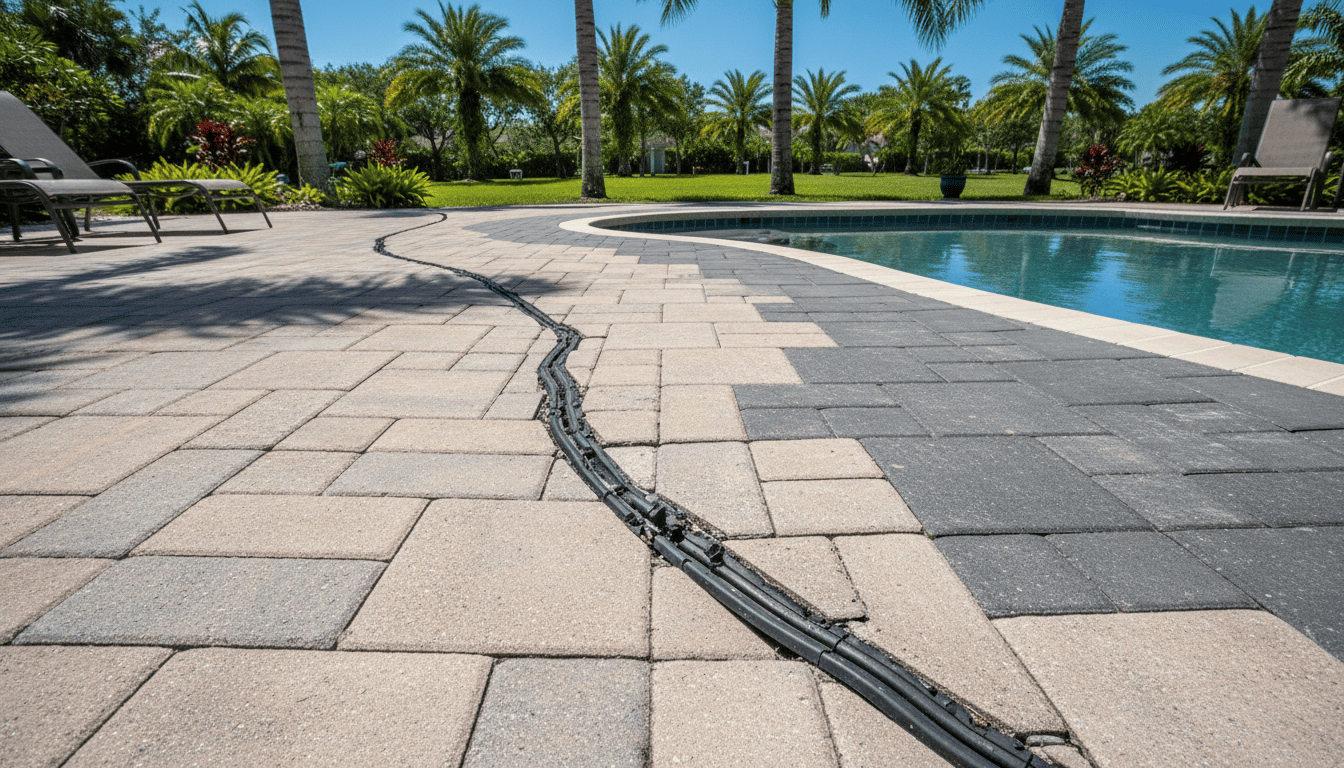
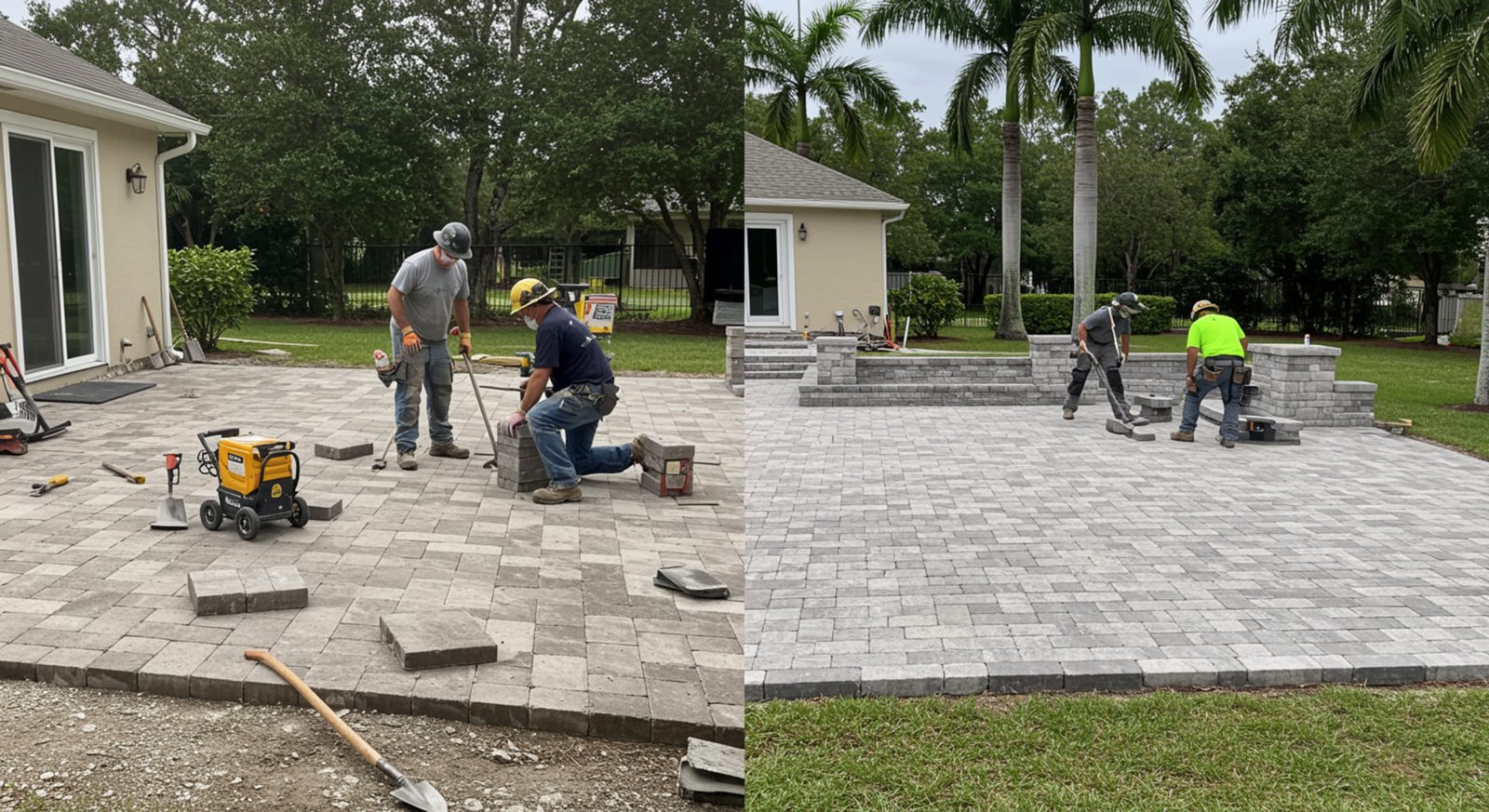
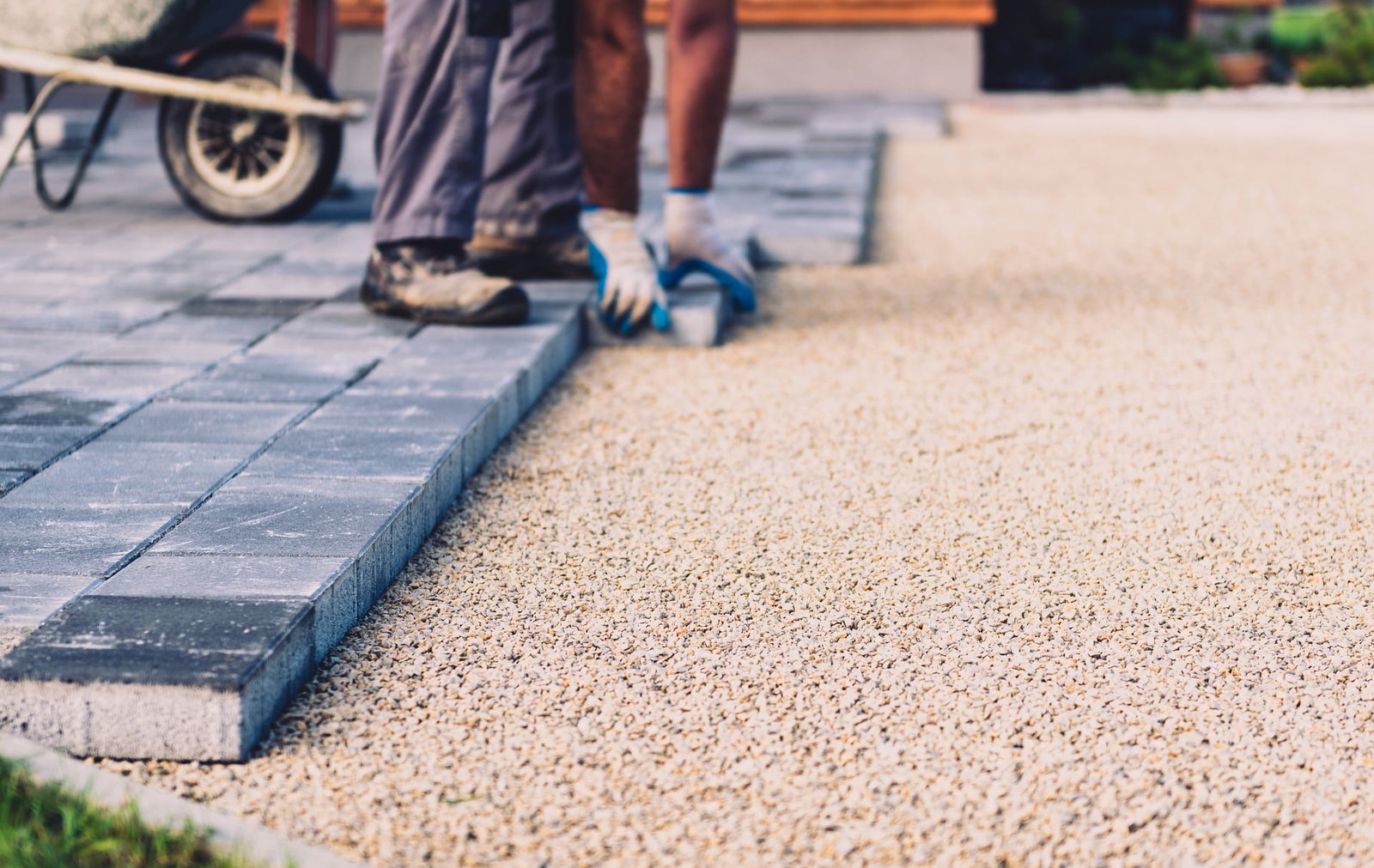
Pavers represent one of the most popular pool deck material choices in Florida for good reason. They offer excellent design flexibility, strong durability, and a key structural advantage: individual units move independently. Therefore, when soil shifts or tree roots push against the surface, individual pavers flex without cracking the entire deck. This makes them far more forgiving than a poured concrete slab over Florida’s unstable sandy soil.
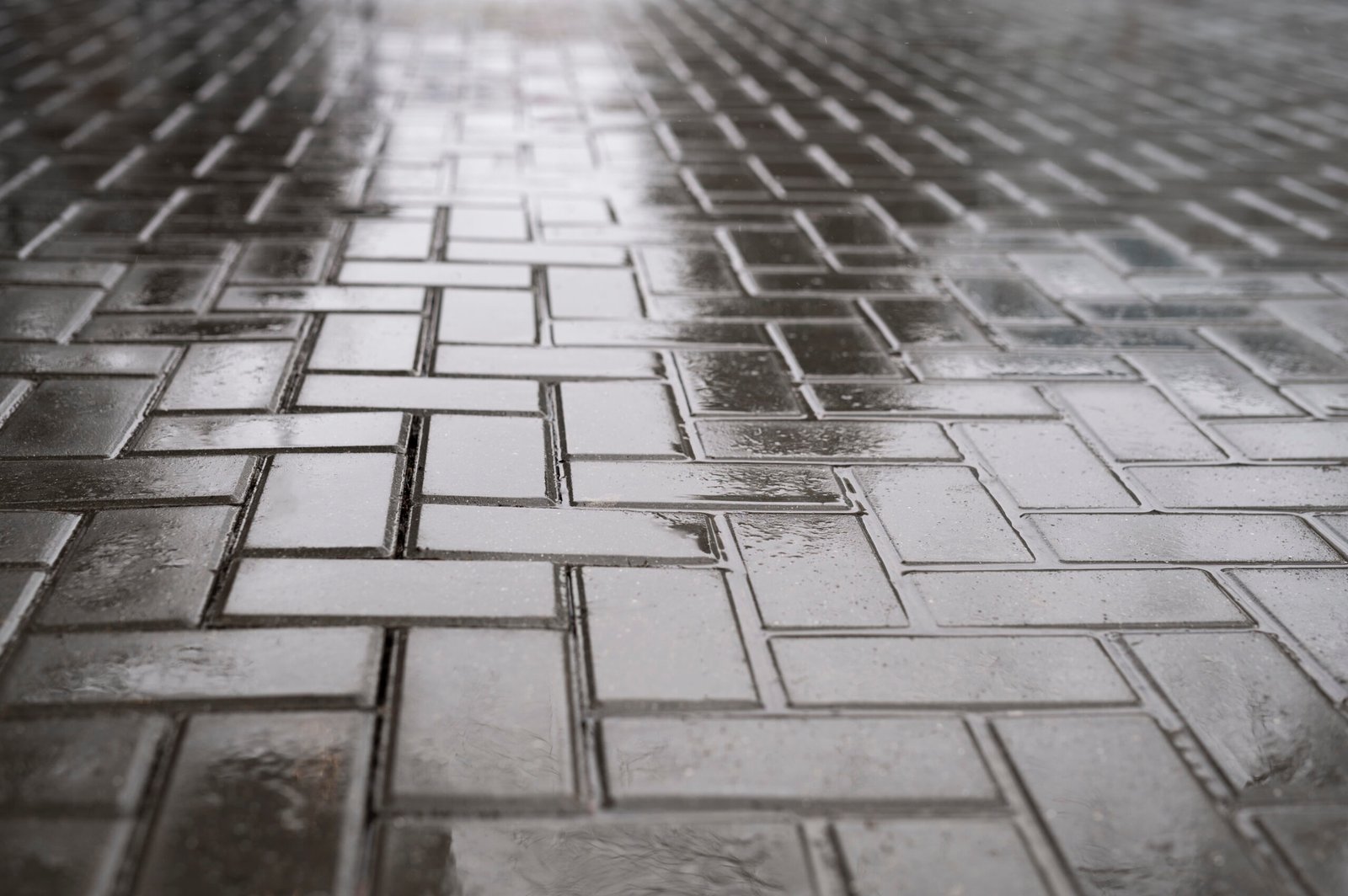
Furthermore, pavers come in a wide range of textures and finishes that provide natural slip resistance. Tumbled pavers, in particular, create a naturally textured surface that grips wet feet reliably. On the other hand, highly polished or smooth-finish pavers can become slippery when wet — so texture selection matters significantly in a pool environment. For a complete breakdown of paver performance around pools, read our detailed post on pool deck pavers in Florida.
Travertine Pool Deck
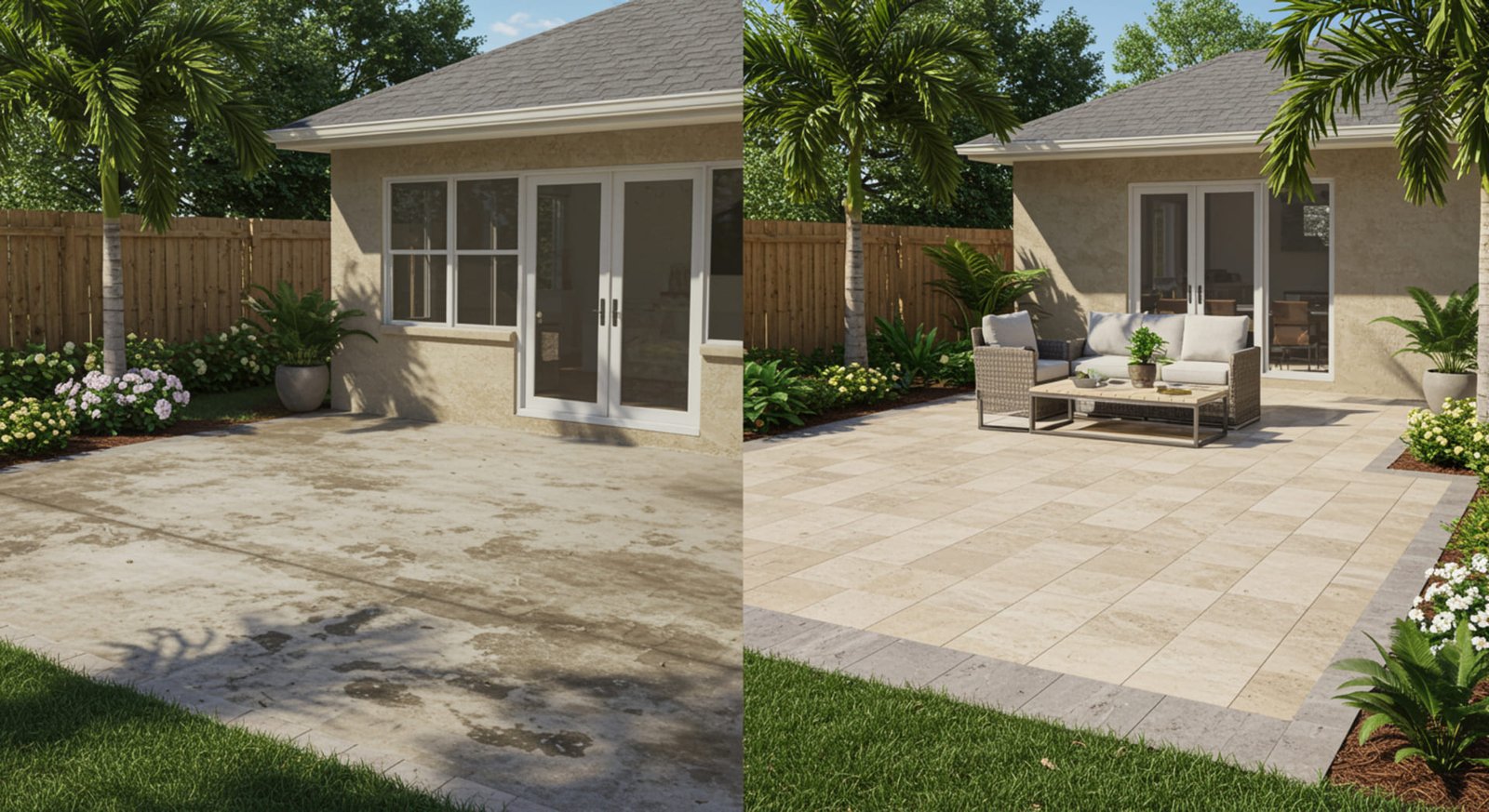
Travertine is a natural stone that has become extremely popular for pool decks across Central Florida. Its most significant advantage in a Florida climate is thermal performance. Travertine stays noticeably cooler underfoot than concrete or most other stone surfaces — even under direct afternoon sun. This happens because travertine’s porous structure reflects heat rather than absorbing it.
In addition, travertine offers a naturally elegant appearance that elevates the visual appeal of any backyard. However, it requires sealing to prevent water absorption and staining from pool chemicals. Without proper sealing, travertine can absorb chlorinated water and develop surface deterioration over time. Most importantly, travertine installation requires experienced professionals who understand the material’s specific cutting and setting requirements — it is not a surface that tolerates rough handling.
Stamped Concrete Pool Deck
Stamped concrete offers the visual appeal of natural stone, brick, or tile at a lower material cost than the real alternatives. Contractors press textured molds into fresh concrete to create realistic surface patterns. As a result, homeowners can achieve the look of travertine, slate, or cobblestone while staying within a tighter budget. Furthermore, color hardeners and acid stains add depth and visual richness to the finished surface.
However, stamped concrete requires a protective sealer to maintain its appearance and slip resistance. Florida’s intense UV exposure degrades sealers faster than in cooler climates — consequently, resealing every one to two years is standard maintenance in this region. In addition, if stamped concrete cracks, repairing it while matching the original pattern and color is challenging. This is in contrast to pavers, where individual damaged units replace cleanly without disturbing the surrounding surface.
Cool Deck Coating
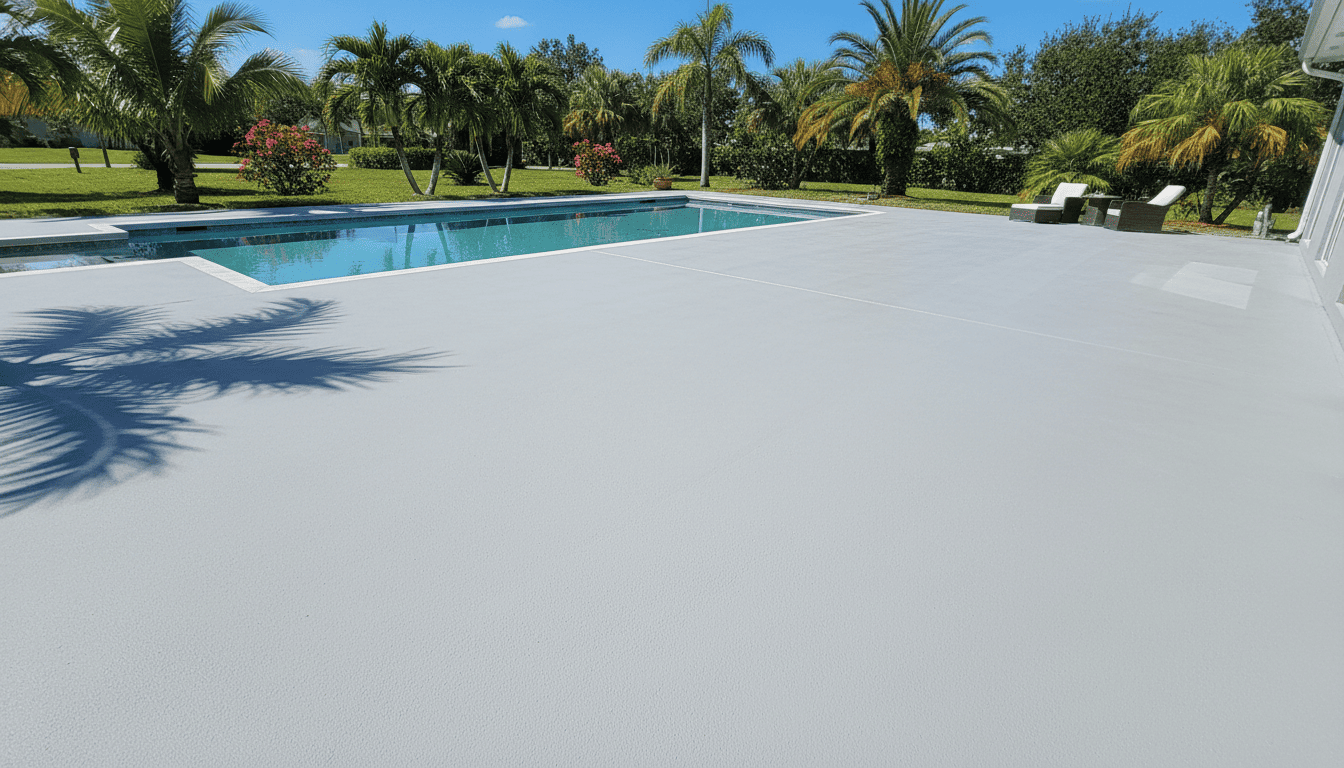
Cool Deck is a proprietary acrylic coating applied over existing concrete surfaces. It uses a light-reflective texture to reduce surface temperature — typically keeping the deck 30 to 40 degrees cooler than uncoated concrete under the same conditions. For this reason, it became a standard choice for Florida pool decks decades ago and remains widely used today.
In addition, Cool Deck provides a textured, slip-resistant surface well-suited for wet environments. However, it does wear over time and typically requires recoating every five to seven years depending on usage and exposure. Therefore, it represents a lower upfront cost with moderate recurring maintenance. For homeowners who already have an existing concrete pool deck, Cool Deck offers one of the most cost-effective upgrade paths available.
Porcelain Pavers for Pool Decks
Porcelain pavers represent the premium end of the pool deck material spectrum. They offer an exceptionally clean, modern aesthetic with very low maintenance requirements. Unlike natural stone, porcelain does not require sealing. Furthermore, it resists staining, pool chemicals, and UV fading far more effectively than most other materials.
However, porcelain pavers come at a higher cost per square foot than concrete, travertine, or standard pavers. In addition, they require precise installation on a very stable base — any movement in the substrate causes grout line cracking or tile lifting. Most importantly, choose only textured or matte-finish porcelain for pool decks. Polished porcelain becomes dangerously slippery when wet, making it completely unsuitable for any surface near water.
Comparing Pool Deck Materials: Florida Performance at a Glance
| Material | Heat Resistance | Slip Resistance | Durability | Maintenance | Cost Range (per sq. ft.) |
|---|---|---|---|---|---|
| Plain Concrete | Low | Moderate | Good | Low–Moderate | $6 – $10 |
| Stamped Concrete | Low–Moderate | Good (when sealed) | Good | Moderate | $12 – $22 |
| Cool Deck Coating | High | High | Moderate | Moderate | $3 – $6 (over existing) |
| Concrete Pavers | Moderate | High | Very Good | Low–Moderate | $15 – $25 |
| Travertine | Very High | High | Very Good | Moderate | $20 – $35 |
| Porcelain Pavers | High | High (textured only) | Excellent | Low | $30 – $55+ |
Heat Comfort: The Factor Florida Homeowners Underestimate Most
Heat comfort is the most commonly underestimated factor when selecting a pool deck material in Florida. Many homeowners focus entirely on aesthetics and cost during the planning phase. However, after the first Florida summer, surface temperature becomes the primary daily complaint for those who chose dark or heat-absorbing materials.
Dark charcoal concrete pavers, for example, can reach surface temperatures above 140°F on a clear July afternoon. In contrast, light-colored travertine or white-toned concrete pavers under the same conditions may stay below 100°F. This difference makes the surface either pleasant or painful to walk on barefoot. Therefore, choosing lighter colors and heat-reflective materials pays off every single day of Florida’s long summer season.
Furthermore, the area immediately surrounding the pool gets the most direct sunlight and the most foot traffic. Most importantly, prioritize heat comfort in this zone even if you choose a different material for surrounding patios or pathways. A practical approach combines travertine or light concrete pavers directly around the pool with complementary materials in adjacent areas — delivering both comfort and visual cohesion.
Slip Resistance: A Safety Priority Near Every Pool
Florida building codes and safety standards recognize slip resistance as a critical requirement for pool deck surfaces. In particular, the surface directly adjacent to pool water must provide reliable grip for wet feet. Consequently, any material chosen for a pool surround must carry an appropriate coefficient of friction (COF) rating for wet conditions.
Textured concrete pavers, tumbled travertine, brushed concrete, and properly sealed stamped concrete all meet this requirement comfortably. In contrast, smooth or polished surfaces — including certain tile products and high-gloss finishes — fail to provide adequate grip when wet. As a result, they introduce unnecessary risk into a space specifically designed for water activity.
For homeowners who already have a slippery pool deck, surface treatment options can improve safety without full replacement. Our post on slippery pool decks in Florida explains the available solutions in detail — from anti-slip coatings to surface grinding and texture restoration.
Drainage: Why It Matters More Than Most Homeowners Realize
Proper drainage ranks just as high as material selection in Florida pool deck performance. During the wet season, Central Florida regularly receives three to five inches of rainfall in a single afternoon. Therefore, any pool deck surface must direct water away from the pool, the home’s foundation, and the surrounding landscape efficiently.
Pavers offer a natural advantage here. The joints between individual units allow water to permeate downward rather than running off the surface in sheets. In addition, permeable base systems beneath paver installations actively manage water infiltration. Concrete slabs, on the other hand, require precise grading and installed drainage channels to achieve the same result — and when those drainage systems clog or fail, water pools quickly.
Furthermore, standing water on a pool deck creates secondary problems beyond slipping hazards. It accelerates biological growth, damages surface sealers, and contributes to concrete cracking through repeated saturation and drying cycles. Our post on pool deck drainage problems in Florida covers the most common drainage failures and how to resolve them effectively.
Maintenance Requirements by Material
Every pool deck material in Florida requires some level of ongoing care. However, maintenance demands vary significantly between options. Understanding those differences helps you choose a surface that fits your lifestyle — not just your budget.
Concrete Pool Deck Material Florida: Maintenance Overview
Plain and stamped concrete decks need pressure washing annually to remove algae, mildew, and organic buildup. Furthermore, stamped concrete requires resealing every one to two years in Florida’s climate to protect the surface finish and maintain slip resistance. Cracks need prompt attention. In other words, concrete is manageable but not a set-it-and-forget-it material.
Paver and Travertine Maintenance
Pavers and travertine require periodic joint sand replenishment and sealing every two to three years. However, individual unit replacement makes repair far simpler than patching concrete. As a result, long-term maintenance costs for paver systems tend to be lower and more predictable than for monolithic concrete surfaces. Furthermore, polymeric joint sand reduces weed growth and insect infiltration between units — a practical benefit in Florida’s active outdoor environment.
Porcelain Paver Maintenance
Porcelain offers the lowest maintenance profile of all pool deck materials. No sealing, minimal staining risk, and easy cleaning with standard pressure washing. However, grout lines between porcelain tiles can collect algae in humid conditions. Therefore, periodic grout cleaning remains part of the annual maintenance routine even for this low-maintenance surface.
What to Consider Before Making a Final Decision
Before committing to a specific pool deck material in Florida, evaluate your priorities clearly. First, define your budget range — not just for installation, but for five to ten years of ongoing maintenance. Then, consider how you use your pool area. Families with young children benefit most from the warmest, most slip-resistant surfaces. Similarly, homeowners who entertain frequently may prioritize aesthetics and design flexibility over pure function.
In addition, consider your home’s overall design language. Travertine pairs beautifully with Mediterranean and tropical architectural styles common across Central Florida. In contrast, large-format porcelain pavers complement modern and minimalist homes. Stamped concrete offers the widest aesthetic range at mid-range cost. Most importantly, choose a material that you will still appreciate five years from now — not just on the day the project completes.
Furthermore, consult a contractor with direct experience in Central Florida conditions before finalizing your choice. Local knowledge about soil behavior, drainage patterns, and material performance in Florida’s specific climate makes a measurable difference in the quality and longevity of the finished result. You can explore real projects and client outcomes on our completed projects page for reference before scheduling a consultation.
When to Repair, Resurface, or Replace Your Pool Deck
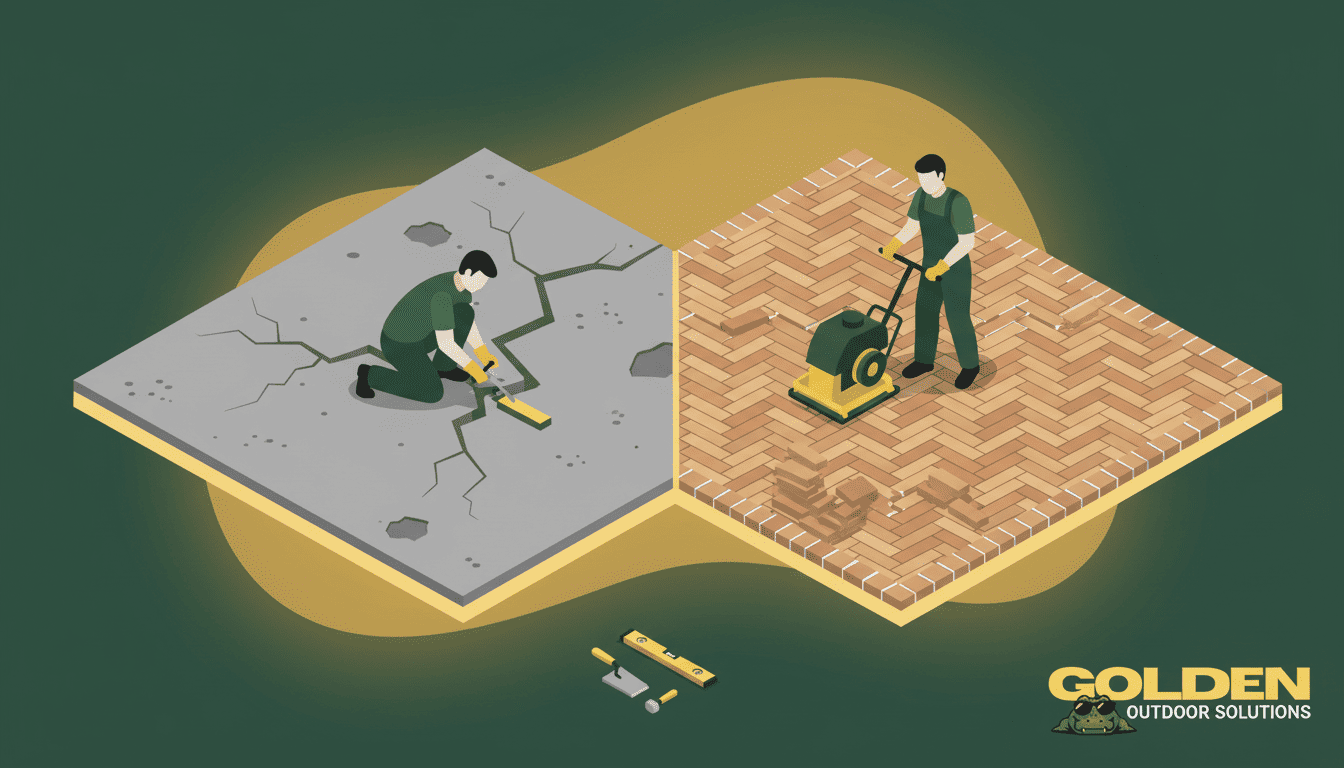
Material selection often comes into focus when an existing pool deck shows signs of failure. Spalling, cracking, surface staining, and settling are the most common issues that drive homeowners to evaluate their options. However, not every problem requires full replacement. In many cases, resurfacing delivers a fresh, durable surface at a fraction of replacement cost.
For example, a concrete pool deck with surface cracking but a solid structural base responds well to overlay resurfacing. In contrast, a deck with significant settling, major structural cracks, or persistent drainage failures may require full demolition and rebuild. Therefore, an accurate professional assessment is the essential first step before budgeting any pool deck project.
Our post on pool deck repair vs. resurfacing in Florida provides a clear decision framework for homeowners facing this exact question. In addition, if your deck shows signs of spalling — the flaking and pitting of concrete surfaces — our dedicated post on pool deck spalling in Florida explains the causes and the most effective repair strategies available.
If you want a comprehensive look at how professional concrete services in Florida approach pool deck assessment, repair, and full renovation, that resource walks through the complete scope of what a skilled contractor evaluates before recommending a solution.
For homeowners researching material standards and performance data, the University of Florida IFAS Extension publishes research-backed guidance on construction materials, surface durability, and outdoor environment management across Florida’s diverse climate zones — an excellent reference for understanding how local conditions affect long-term material performance.
Ready to restore your pool deck? Contact Golden Outdoor Solutions today for a free, no-obligation consultation — you can also browse our completed projects gallery to see real pool deck transformations across Central Florida. Follow us on Instagram and Facebook for design ideas and project updates, and read what our clients say on Google Reviews. Reach us directly via WhatsApp, by phone at +1 (321) 745-9047, or by email at contact@goldenoutdoorsolutions.com — we serve homeowners throughout Central Florida and are ready to help you choose and install the right pool deck surface for your home. 🌿✨