Florida backyard permit requirements are one of the first things homeowners must understand before building or renovating outdoor spaces. Whether it’s a new patio, fence, pergola, or retaining wall, skipping the permit process could lead to fines, stop-work orders, or forced removal.
This guide covers which backyard projects need permits in Florida, what the process looks like, and how Golden Outdoor Solutions helps homeowners stay compliant.
Why Permits Matter for Outdoor Projects in Florida
Ignoring permit requirements can result in:
- Fines from local authorities
- Delays in home sales (due to unpermitted work)
- Structural failures if not inspected
- HOA violations and penalties
- Difficulty getting insurance coverage
Florida counties enforce codes to ensure safety, drainage, and property line respect.
Projects That Usually Require Permits
Every city/county has variations, but these projects typically need permits across Central Florida:
✅ Permits Often Required For:
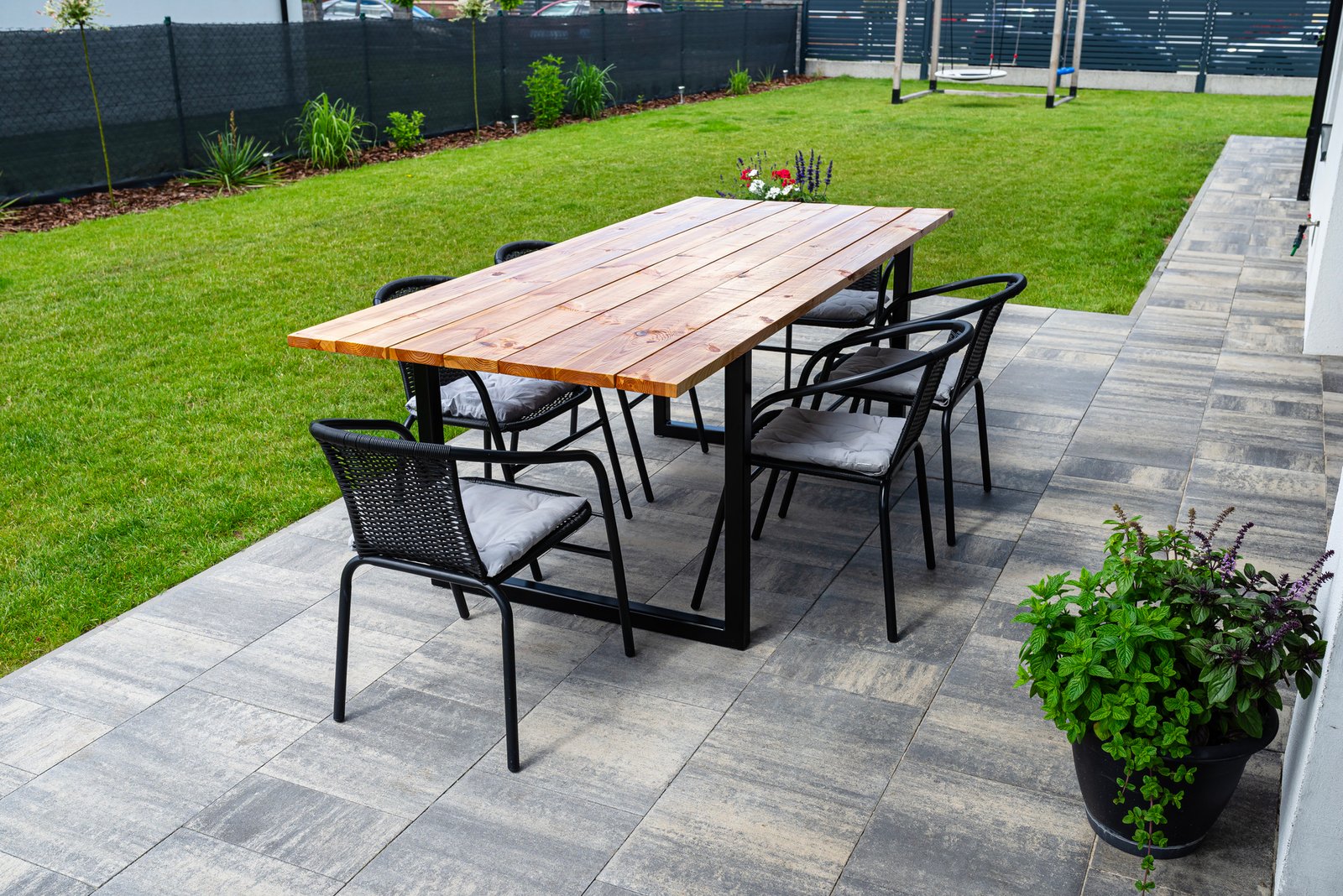
- Patios with footings or concrete slabs
- Decks over 30 inches high
- Pergolas or gazebos anchored to the ground
- Retaining walls over 2 feet tall
- Fences over 6 feet or adjacent to easements
- In-ground and above-ground pools
- Outdoor kitchens with plumbing or gas
- Drainage or grading work altering water flow
Projects That May Not Require Permits
Smaller or non-structural upgrades often fall outside permit rules:
🔹 May Not Need a Permit:
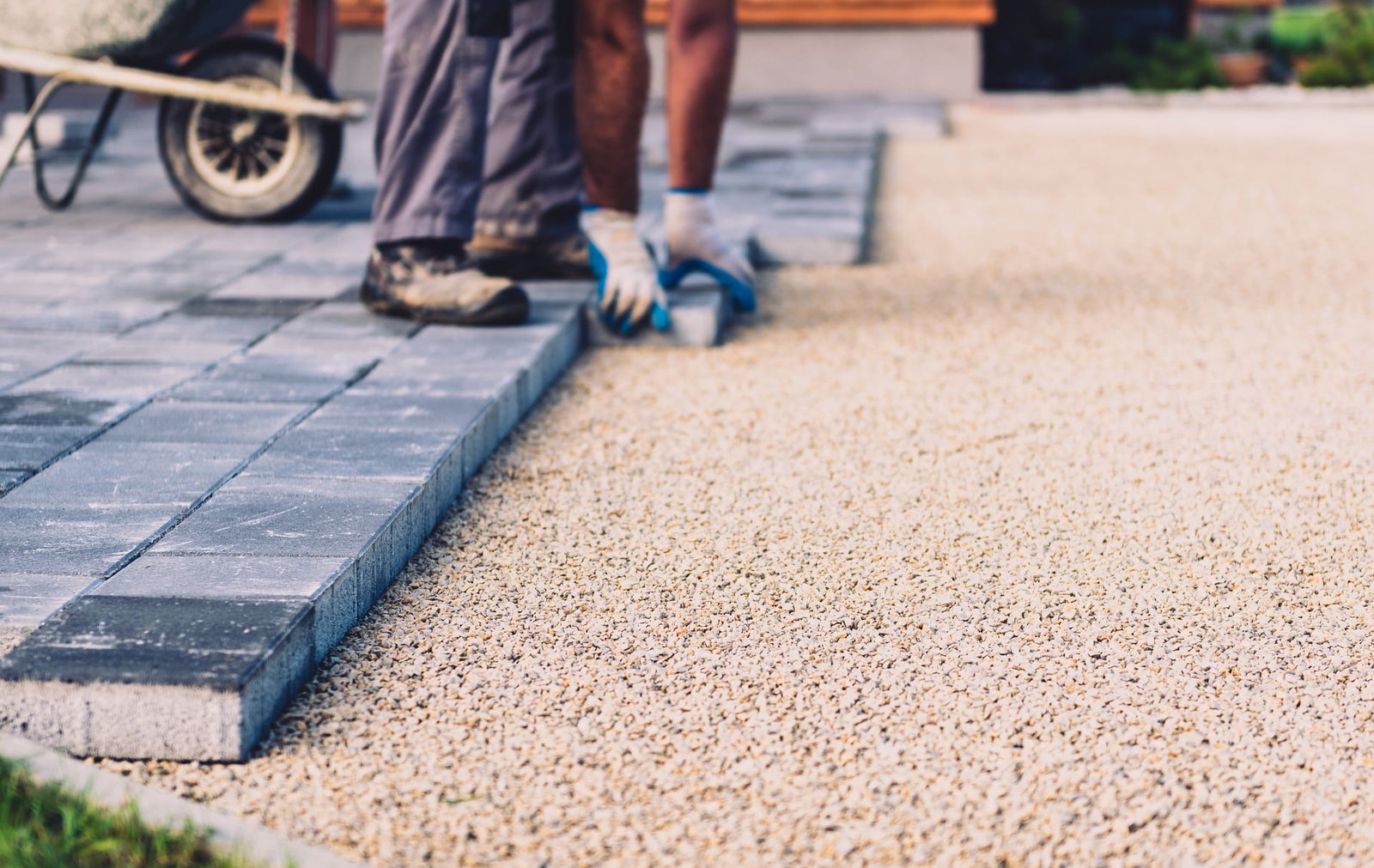
- Paver patios on sand base
- Mulch or gravel walkways
- Landscape borders
- Freestanding shade sails
- Portable fire pits
- Lawn sod replacement
⚠️ Always check with your local building department or HOA—even simple changes can trigger rules if near setbacks, utilities, or easements.
Common Florida Codes by County
Each county or municipality may have its own code enforcement.
Examples:
- Pinellas County: Requires permits for any permanent structure over 100 sq ft
- Orange County: Requires drainage plan for patios or hardscape over 150 sq ft
- Hillsborough County: Retaining walls over 2 ft need engineer sign-off
- Osceola County: Enforces strict fence height and easement access rules
Golden Outdoor Solutions coordinates directly with your county office to ensure correct documentation.
HOA Approval vs. City/County Permit
In many gated communities and developments, you may need both:
- HOA approval: Covers design, material, and aesthetic
- Municipal permit: Covers structure, drainage, and safety
Golden helps clients navigate both simultaneously—avoiding project delays or rework.
Permit Timeline and Costs in Florida
Average Timeline:
- HOA approval: 1–2 weeks
- Municipal permit approval: 2–4 weeks
- Inspection (after build): 1–2 days after request
Typical Costs:
- Permit application: $50–$300
- Drawings/engineering (if needed): $200–$1,000
- Reinspection (if failed): $50–$100
Golden includes permitting assistance in most project quotes.
What Happens Without a Permit?
If caught without a permit in Florida, you risk:
- Stop work orders
- Forced demolition or removal
- Fines up to $5,000 depending on jurisdiction
- Code violation placed on property title
- Issues with refinancing, resale, or insurance
Permitting might seem like red tape, but it protects your investment.
How Golden Outdoor Solutions Simplifies the Process
We provide:
- Code-compliant designs from day one
- Permit submission and tracking
- Coordination with HOAs
- On-site presence during inspections
- Transparency on timeline and cost
Our team handles the paperwork while you enjoy your new outdoor space.
For more real-life outdoor transformations, visit our latest project gallery:
https://goldenoutdoorsolutions.com/florida-backyard-projects/
For Florida building codes and permit laws, visit:
https://floridabuilding.org/
Ready to renew your pool’s surface?
📞 Contact Golden Outdoor Solutions at +1 (321) 745-9047 or email contact@goldenoutdoorsolutions.com for a free resurfacing consultation anywhere in Central Florida.