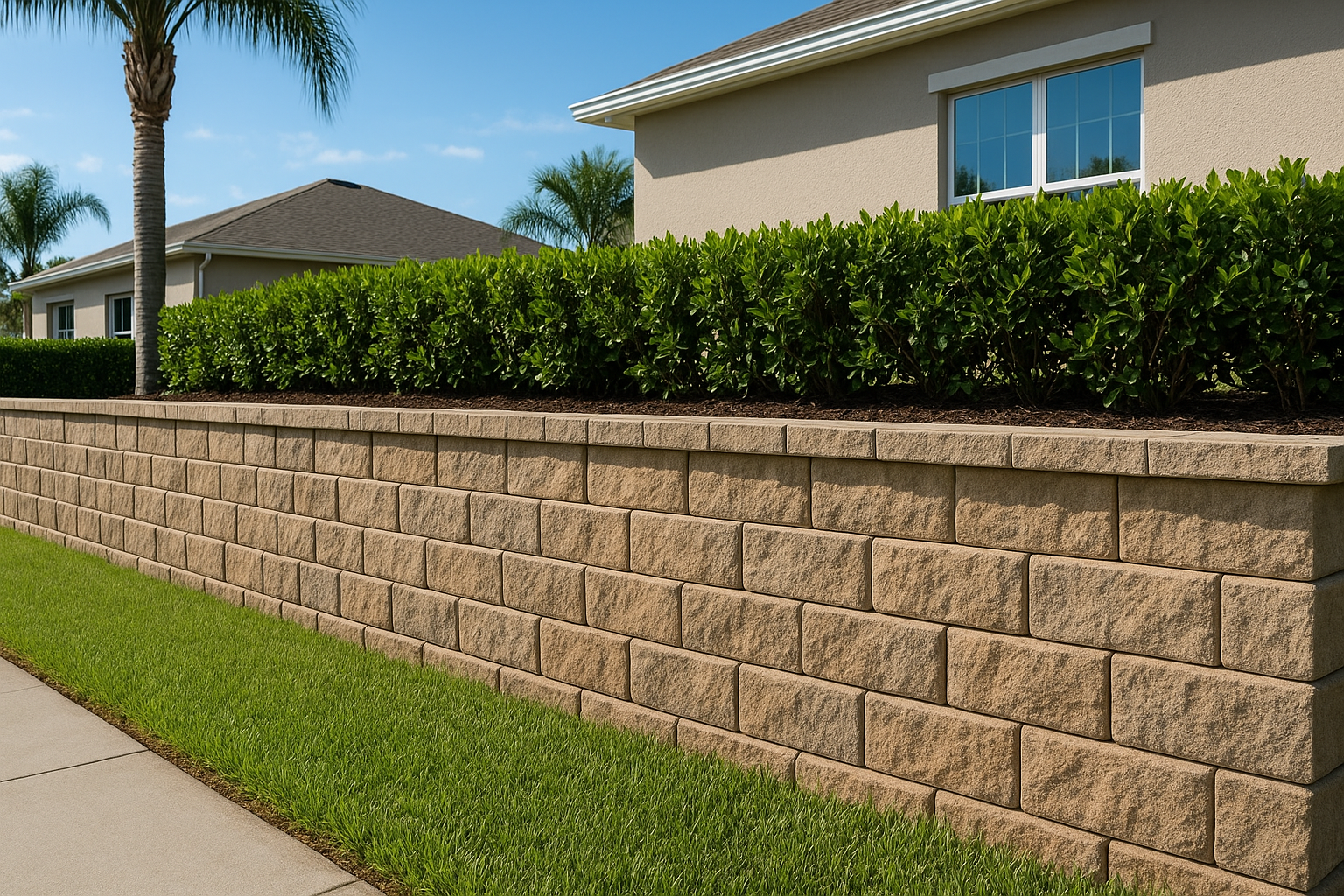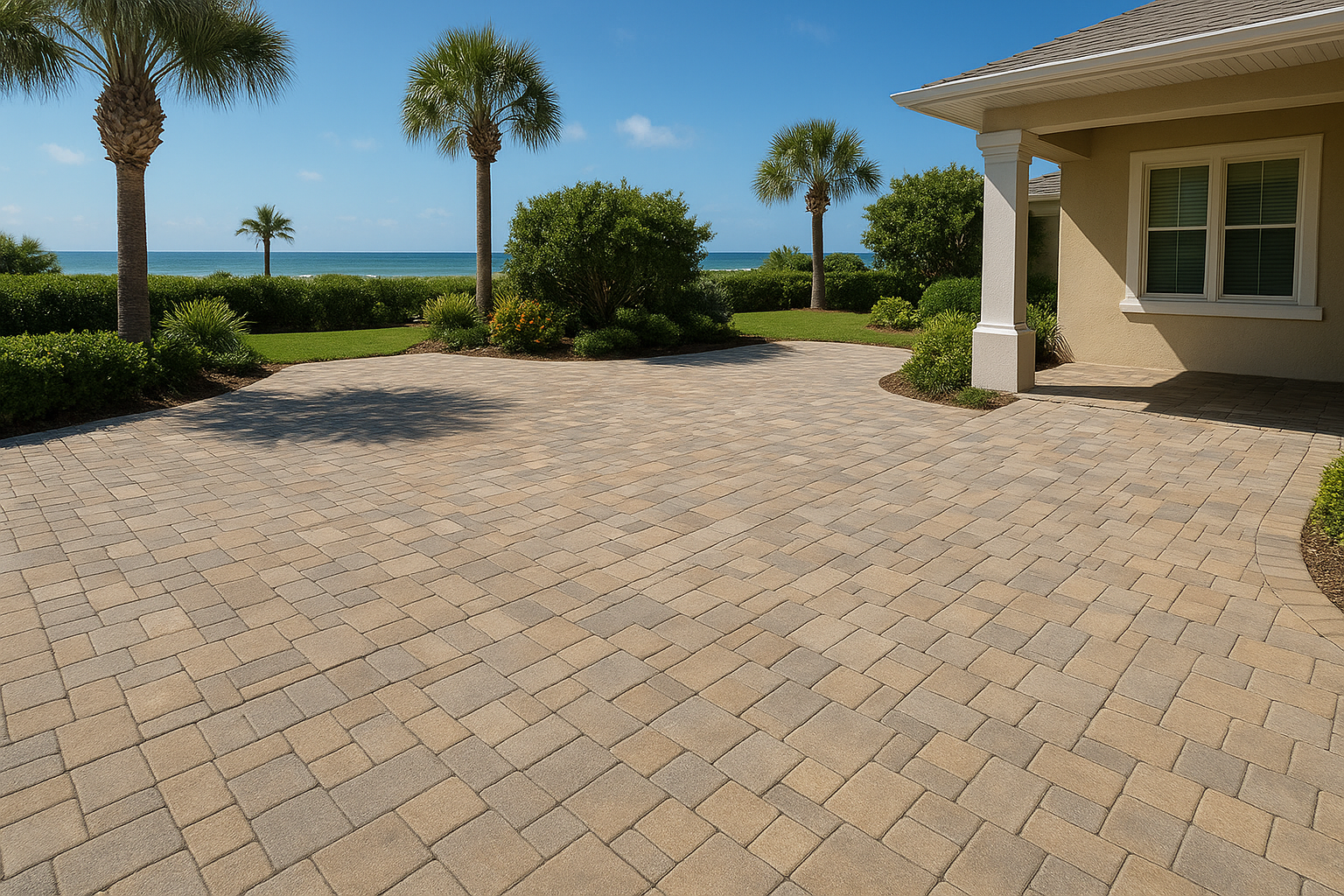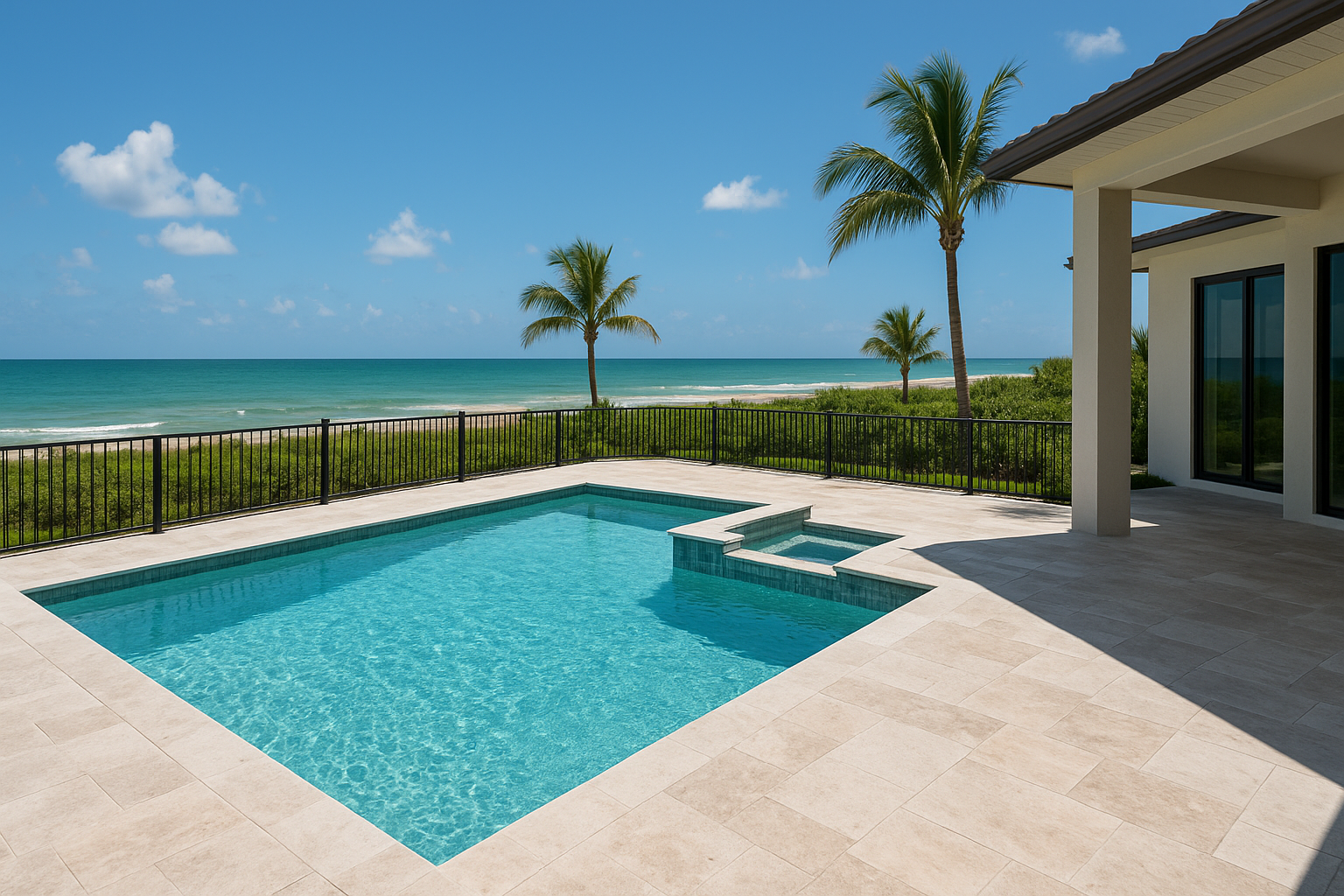
Great small backyard ideas Brevard County usually have one thing in common: they stop asking a limited space to do everything at once. A smaller backyard does not need fewer ideas. Instead, it needs more disciplined decisions about circulation, scale, storage, seating, and maintenance. Therefore, the smartest designs are often the ones that simplify the space while still making it feel layered and complete.
This guide focuses on the practical side of that process. First, it explains how to create definition without crowding the yard. Next, it covers materials and layout moves that visually enlarge the space. Then, it highlights the mistakes that make compact backyards feel busier than they need to be. If you are trying to make a modest footprint feel more usable and more expensive, this article is built for that exact challenge.
Start With One Clear Use Priority
A small backyard becomes easier to design when the homeowner decides which role matters most. Is the yard mainly for quiet seating, guest entertaining, pet use, or a flexible family zone? Once that answer is clear, layout decisions stop competing so aggressively with one another. As a result, the yard begins to feel purposeful instead of over-programmed.
Use Hardscape to Create Order
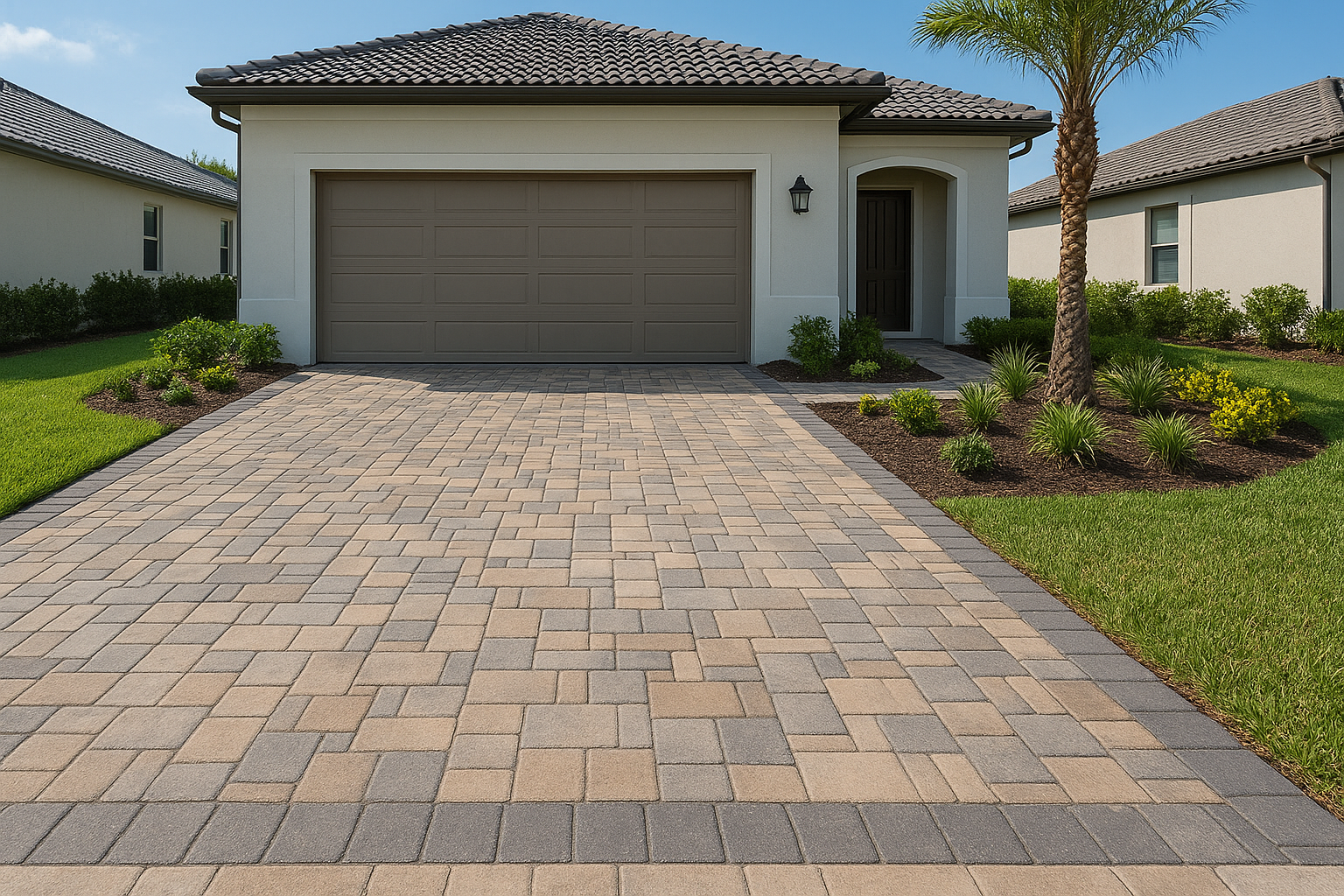
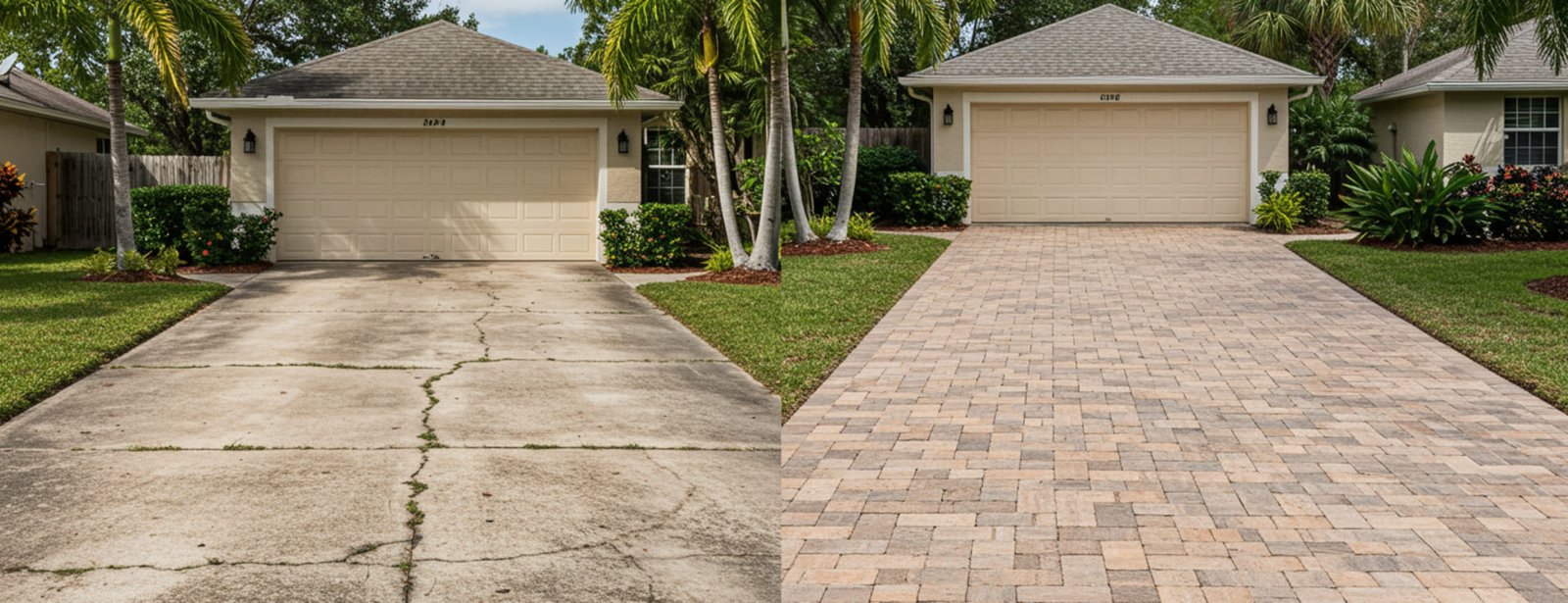
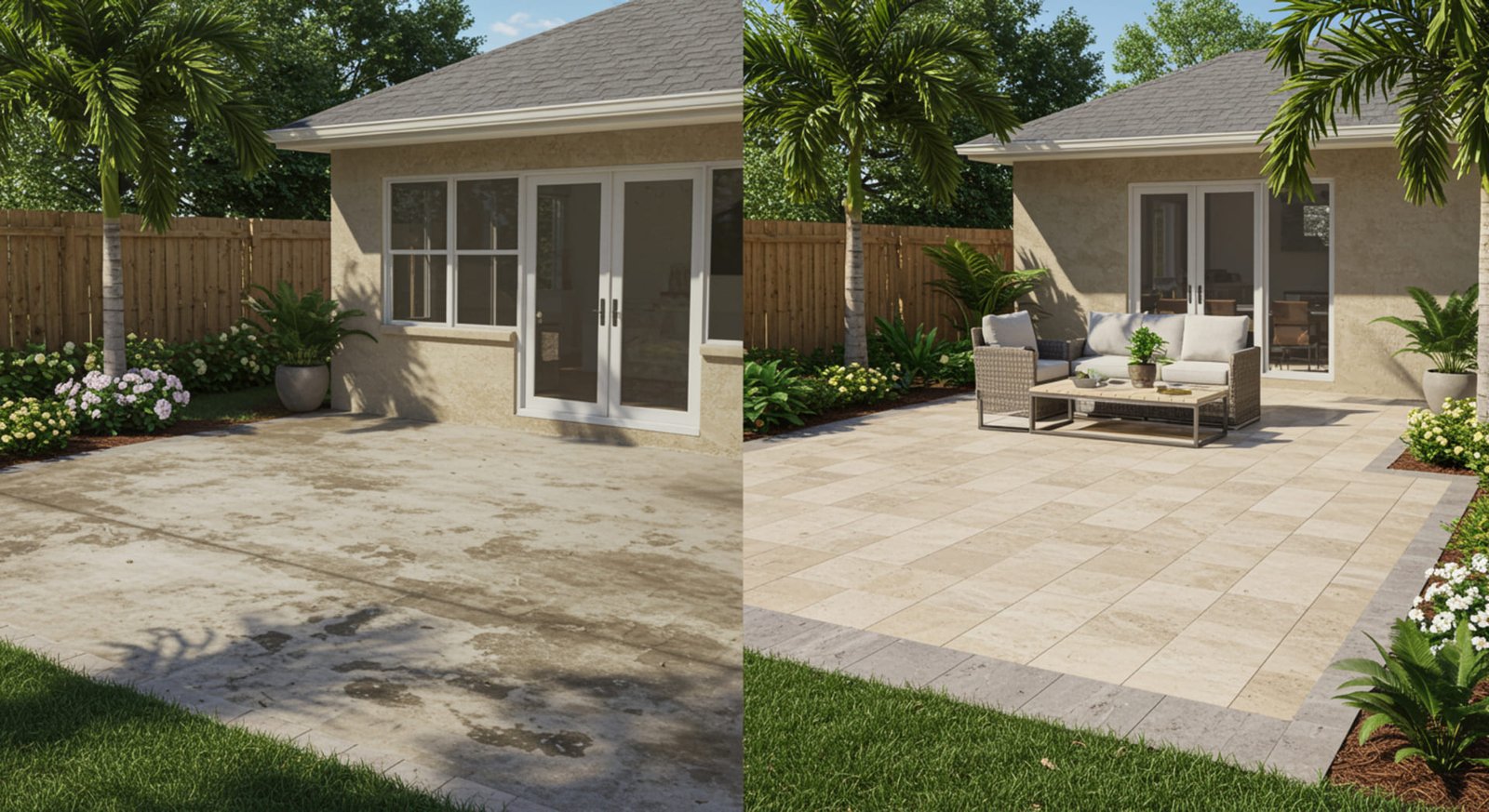
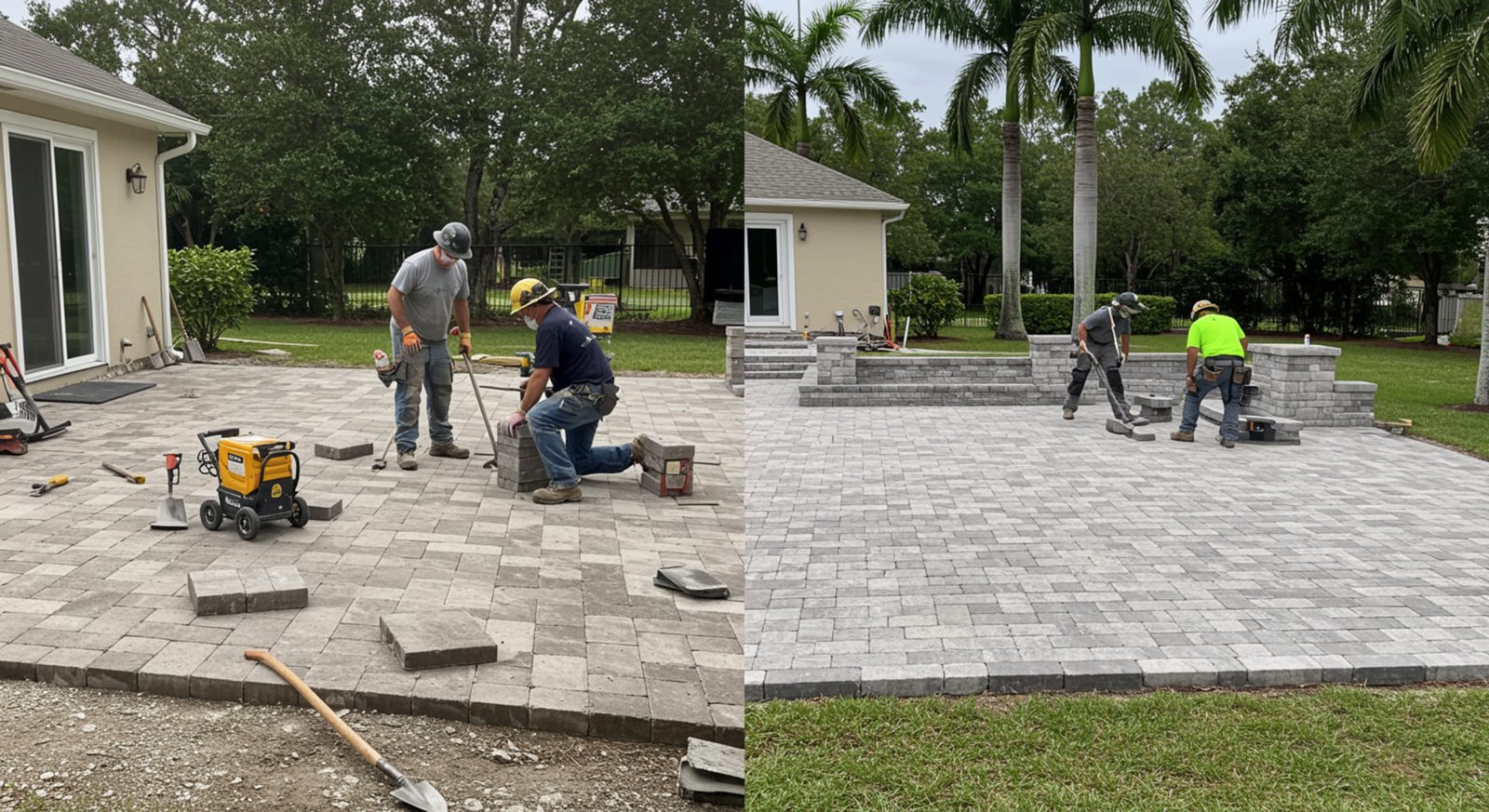
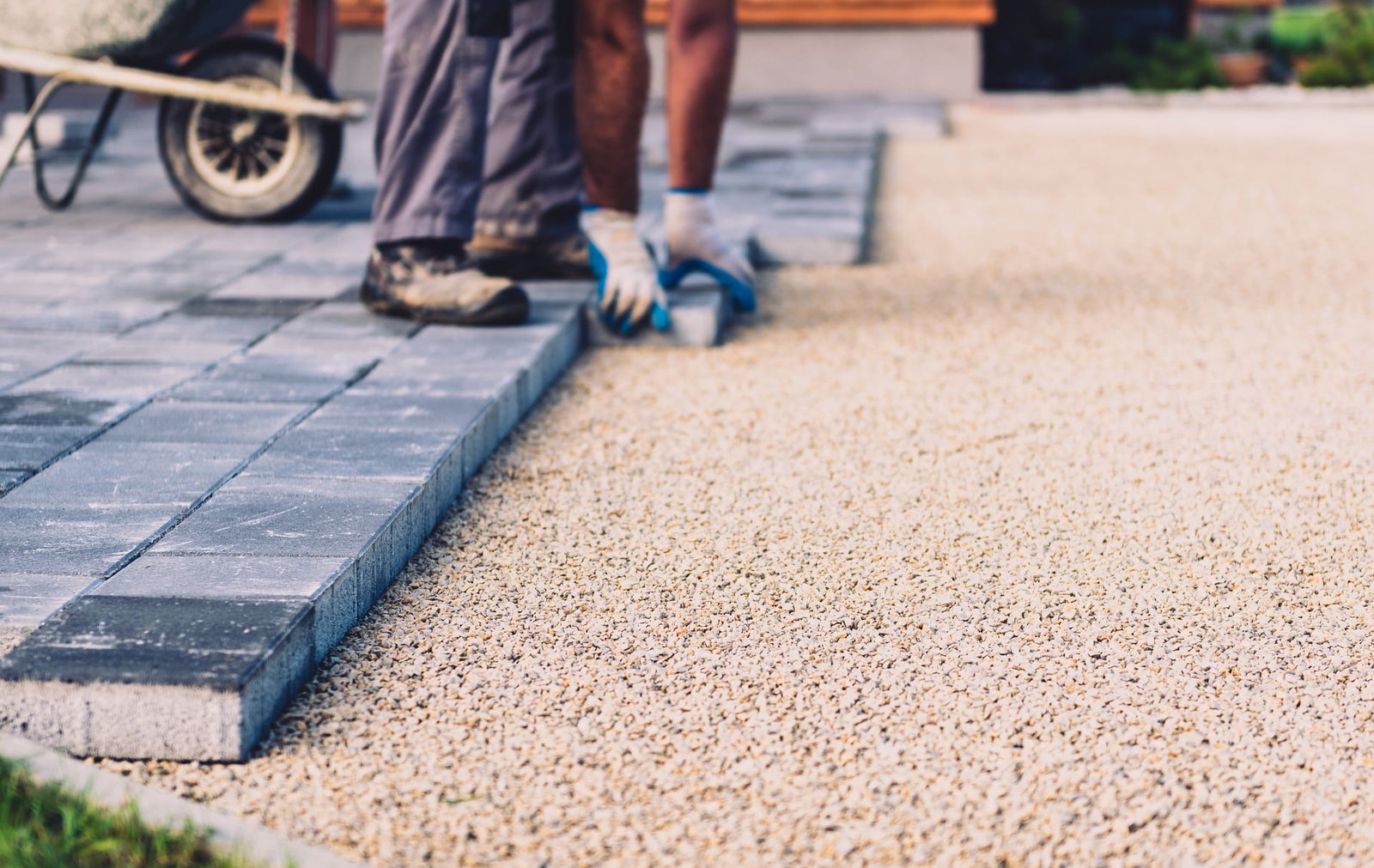
Compact yards usually benefit from one durable surface that defines the main destination. Pavers work especially well for this because they create an intentional footprint for furniture or traffic without forcing the entire yard to become hardscape. Likewise, a walkway or stepping sequence can guide movement and make the space feel longer or more balanced. Consequently, the yard gains visual structure with very little wasted square footage.
Keep the Palette Controlled
When a smaller backyard includes too many unrelated colors, shapes, and materials, the eye reads the space as cluttered. By contrast, a tighter palette makes the yard feel calmer and larger. In addition, repeated lines and cleaner edge treatment help the whole composition feel more deliberate. That does not mean the space has to be plain. It simply means each feature should support the main design language rather than compete against it.
Where Turf, Planting, and Shade Add the Most Value
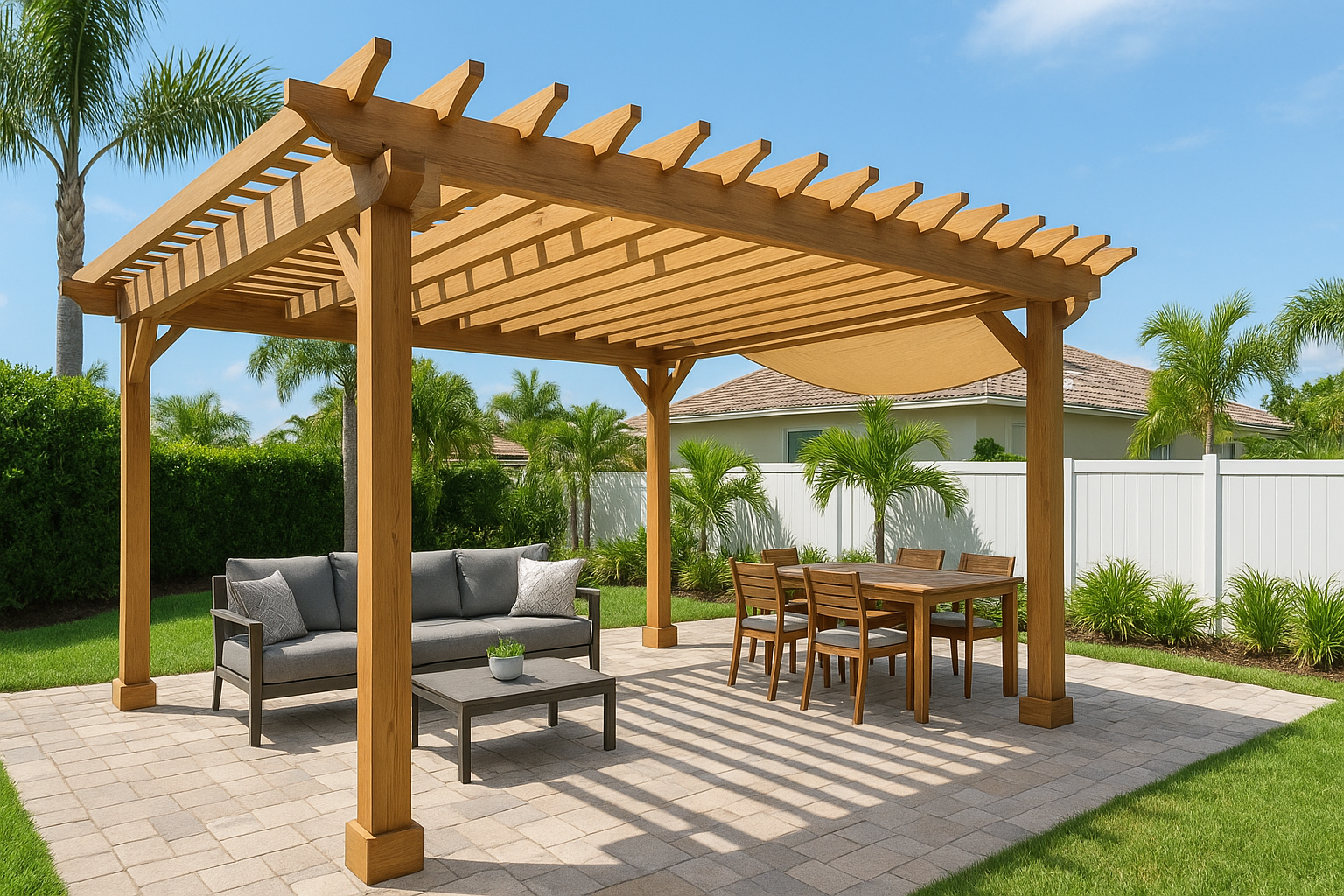
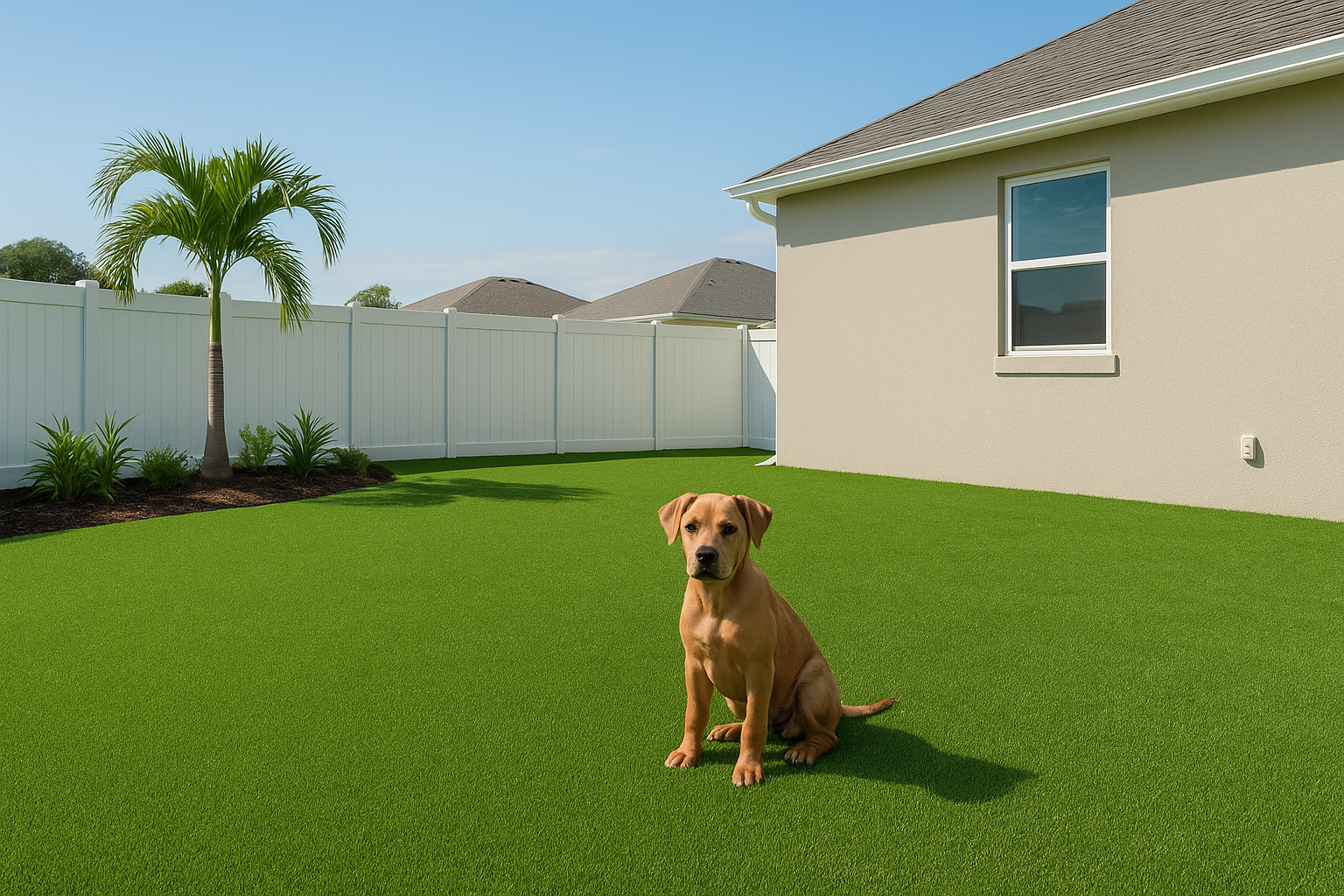
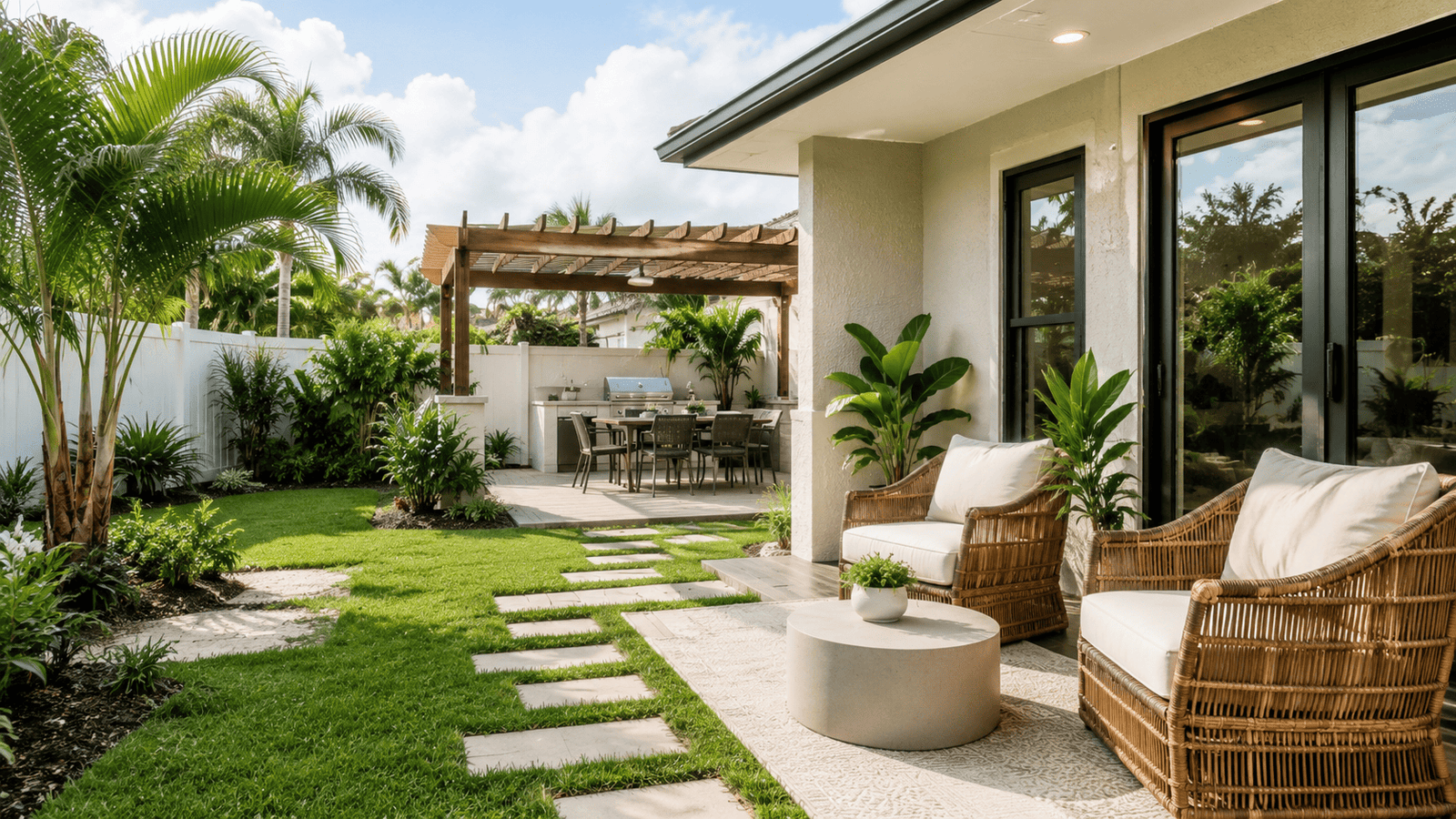
In compact backyards, softscape should usually support usability rather than dominate it. A clean turf section, a narrow but well-placed planting band, and one strategic shade move often outperform a crowded mix of decorative features. Therefore, homeowners should focus on where greenery improves comfort and contrast most effectively, not where it can simply fill empty corners.
| Design move | Why it works in a small yard | Common mistake |
|---|---|---|
| Defined patio footprint | Creates an obvious destination | Seating floats without clear edge |
| Simple turf field | Keeps the yard open and bright | Too many tiny planting pockets break up the space |
| Narrow planting band | Adds softness without shrinking circulation | Oversized beds steal usable area |
| Single shade feature | Improves comfort and adds height | Multiple competing structures crowd the yard |
Mistakes That Make Small Yards Feel Smaller
The most common mistakes are overfilling the space, overscaling furniture, and dividing the yard into too many tiny zones. Another frequent issue is ignoring circulation. Homeowners may place a feature where it looks good in isolation, but then the yard becomes awkward to move through. As a result, the design feels harder to use than the open lawn it replaced.
How to Turn Inspiration Into a Buildable Plan
Homeowners usually get better results when they move from broad inspiration into dimensions quickly. First, define the main seating or activity area. Next, map the path through the yard. Then, confirm where turf, planting, shade, and surface transitions belong. In turn, the design becomes easier to quote and much easier to build without compromise.
If you want to compare these ideas against real site conditions, the blog and inspiration page is a useful next step because it helps connect general inspiration to the way local outdoor projects are actually laid out.
The planning logic in UF/IFAS Florida-Friendly Landscape Conversion is also helpful because it reinforces that smaller outdoor spaces perform best when the layout, plant choices, and maintenance goals work together instead of competing for attention.
When It Makes Sense to Get a Professional Layout
If your yard feels constrained by access, drainage, fencing, or awkward dimensions, a professional layout can usually unlock the space faster than more inspiration alone. At that point, the value lies in proportion, sequencing, and material placement, not simply in adding more features.
How Brevard County Conditions Change the Decision
Central Florida conditions change how homeowners should evaluate a small-backyard design plan. Strong sun, sudden rain, sandy soils, and year-round outdoor use can expose weak planning quickly. Because of that, the right answer is usually the one that performs after the first storm and through the hottest months, not only the one that looks attractive in a showroom, sample board, or online inspiration photo.
In practical terms, local planning should account for circulation width, shade, drainage, furniture scale, and the need to keep the footprint visually open. When those conditions are discussed early, the homeowner gets a much clearer idea of what belongs in the scope and what should be treated as an optional upgrade instead. As a result, small backyard ideas Brevard County becomes easier to evaluate in terms of function, maintenance, and long-term value rather than only by first impression.
Questions to Ask Before You Move Forward
Homeowners often save time and money by asking better questions before they approve the project. That does not mean turning the first consultation into an interrogation. It means making sure the proposal, the schedule, and the expectations all match what the property actually needs. Therefore, these are the questions that usually create the most clarity early in the process.
- What exactly is included? Ask where preparation, cleanup, and correction work begin and end.
- What is excluded? Clarify whether drainage, utility, demo, or finish-detail items could change the final scope.
- How does the site affect the job? Ask what the contractor sees in access, grade, runoff, or layout that could influence execution.
- What maintenance follows the project? Confirm what the homeowner should expect after installation or correction is complete.
- What could slow the schedule? Ask whether weather, approvals, product lead time, or sequencing with other work could affect timing.
- How does this fit a larger yard plan? Even if the scope is focused, ask whether the work should be coordinated with later phases.
Those questions matter because they shift the conversation away from vague assumptions and toward measurable scope. In turn, the homeowner can compare proposals more honestly, decide which upgrades are worth including now, and avoid paying later for details that should have been addressed on day one.
Mistakes That Usually Create Rework
The most expensive mistakes are usually not decorative. They happen when homeowners approve a small-backyard design plan without fully understanding the site conditions, the sequence of work, or the maintenance expectations that follow. In addition, some projects disappoint because the design looks right in isolation but conflicts with circulation, drainage, privacy, or adjacent features once it is built.
Another recurring mistake is trying to save money in the wrong place. Cutting prep, ignoring edge conditions, postponing an important correction, or accepting a vague quote can all make the project seem affordable at the start. However, those shortcuts often create more friction after the crew leaves. Consequently, a smarter budget usually protects the structural and performance pieces first and treats cosmetic simplifications as the safer place to trim.
When It Makes Sense to Phase the Project
Not every homeowner needs to complete the whole yard at once. In many cases, a small-backyard design plan can be phased successfully when the sequence is chosen carefully. For example, one phase may handle drainage, access, or the most important surface change, while a later phase adds complementary upgrades once the homeowner is ready. That approach can work well when the initial scope is designed with the future steps in mind.
On the other hand, some projects should not be fragmented carelessly. If the work relies on coordinated grading, shared access, or tied-together materials, a piecemeal approach can create awkward transitions or repeated labor. Therefore, the smartest phasing plan is the one that separates scope logically rather than simply postponing random pieces. That distinction often determines whether the later phases feel seamless or improvised.
Quick Homeowner Checklist Before Approval
Before you approve small backyard ideas Brevard County, it helps to review the basics one more time in plain language. This final check keeps the project grounded in the conditions of the property instead of in the excitement of a render, inspiration image, or fast quote.
- Confirm the exact scope in writing, not only in conversation.
- Make sure site-specific concerns such as runoff, access, grade, or visibility were discussed.
- Check whether the project should coordinate with a fence, patio, turf, pergola, driveway, or another nearby element.
- Clarify whether approvals, utilities, or product lead times could affect the schedule.
- Ask what the finished result will require from the homeowner in maintenance or follow-up care.
- Compare the proposal to long-term use, not just to the cheapest short-term option.
When homeowners go through that checklist, the next step usually becomes much clearer. Sometimes the result is greater confidence in moving ahead quickly. Other times, it reveals that a small adjustment in scope would produce a better outcome. Either way, the project moves forward with better information, which is usually the best protection against regret.
Frequently Asked Questions
How early should homeowners start planning small backyard ideas Brevard County?
The best time to start is usually earlier than most homeowners expect. Once the project begins affecting layout, drainage, approvals, or how another outdoor feature will be used, early planning becomes valuable. Because of that, even homeowners who are not ready to book immediately still benefit from clarifying the scope before they start buying materials or locking design decisions too tightly.
What usually changes the budget or timeline the most for small backyard ideas Brevard County?
Site conditions and scope clarity usually have the biggest influence. Access, drainage, utility coordination, layout revisions, and whether the work connects to another part of the yard can all change pricing more than homeowners expect. As a result, the most accurate estimate usually comes after the property has been reviewed in context rather than from a fast square-foot guess.
Can this type of project be combined with other outdoor improvements?
Often, yes. In fact, many homeowners get better long-term results when they view the work as one part of a broader outdoor plan. The key is making sure the first phase does not block a later phase or force rework. Therefore, bundling should be based on shared layout and sequencing benefits rather than on trying to do everything at once without a plan.
What is the biggest mistake homeowners should avoid?
The biggest mistake is assuming the visible finish tells the whole story. Projects like this succeed when the invisible decisions are handled well first, including prep, layout, drainage, approvals, and maintenance expectations. In other words, a polished surface or attractive design can still disappoint if the underlying planning never matched the property.
How to Make the Final Decision With More Confidence
Homeowners usually feel more confident about small backyard ideas Brevard County when they stop asking only, ‘How much will this cost?’ and start asking, ‘What will make this hold up, look right, and stay useful on my property?’ That shift changes the whole decision. It moves the conversation away from surface-only comparisons and toward the real factors that protect value over time.
That does not mean every project needs the highest-end option. It means the chosen option should match how the property works, how the homeowner wants to use the space, and how much maintenance they are prepared to handle after the installation is complete. Once those three questions are answered honestly, the best path usually becomes easier to see.
Should Homeowners Wait or Start Planning Now?
If the project is already affecting safety, maintenance, approvals, or how other parts of the yard can be used, starting the planning process now is usually the better move. Even when the work itself is scheduled later, early planning helps homeowners protect the budget, clarify scope, and avoid rushed choices. Therefore, acting early does not always mean building immediately. Often, it simply means giving the project enough time to be done well.
Ready to transform your outdoor space? Contact Golden Outdoor Solutions or call +1 (321) 745-9047 for a free consultation anywhere in Brevard County, browse recent outdoor work in the projects gallery, follow new updates on Instagram and Facebook, read local feedback on Google reviews, or send a quick message through WhatsApp if you want help with small backyard ideas Brevard County planning.