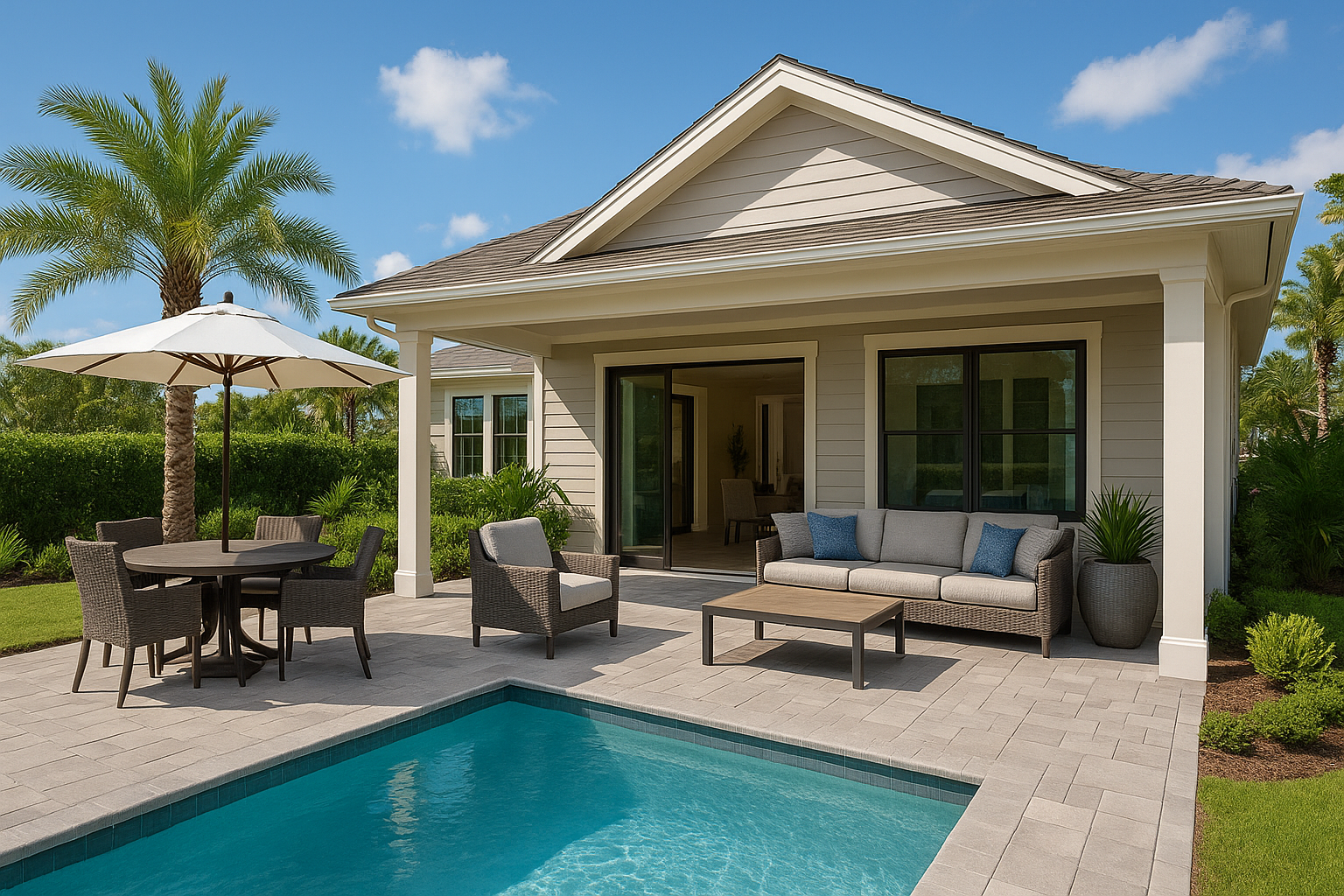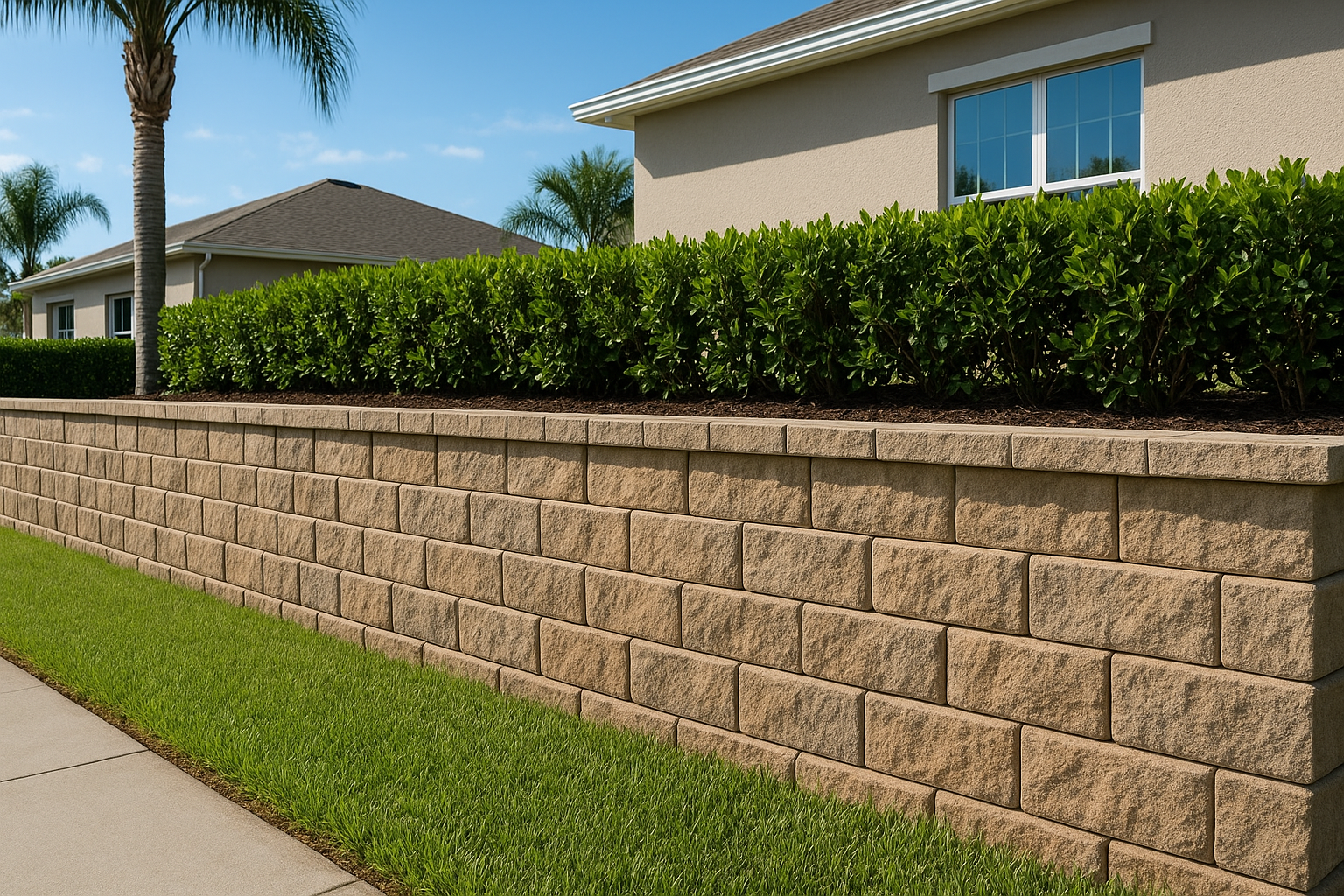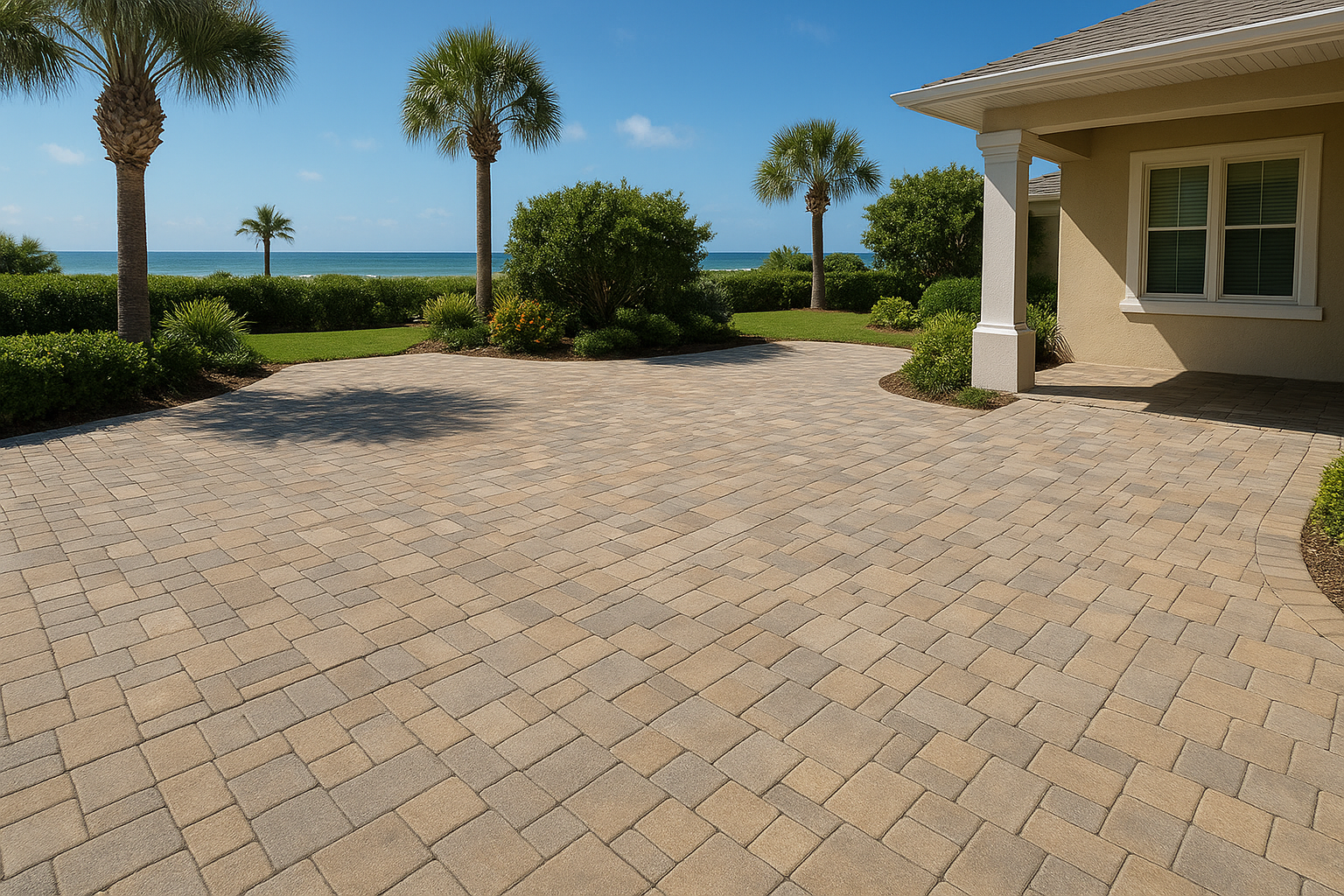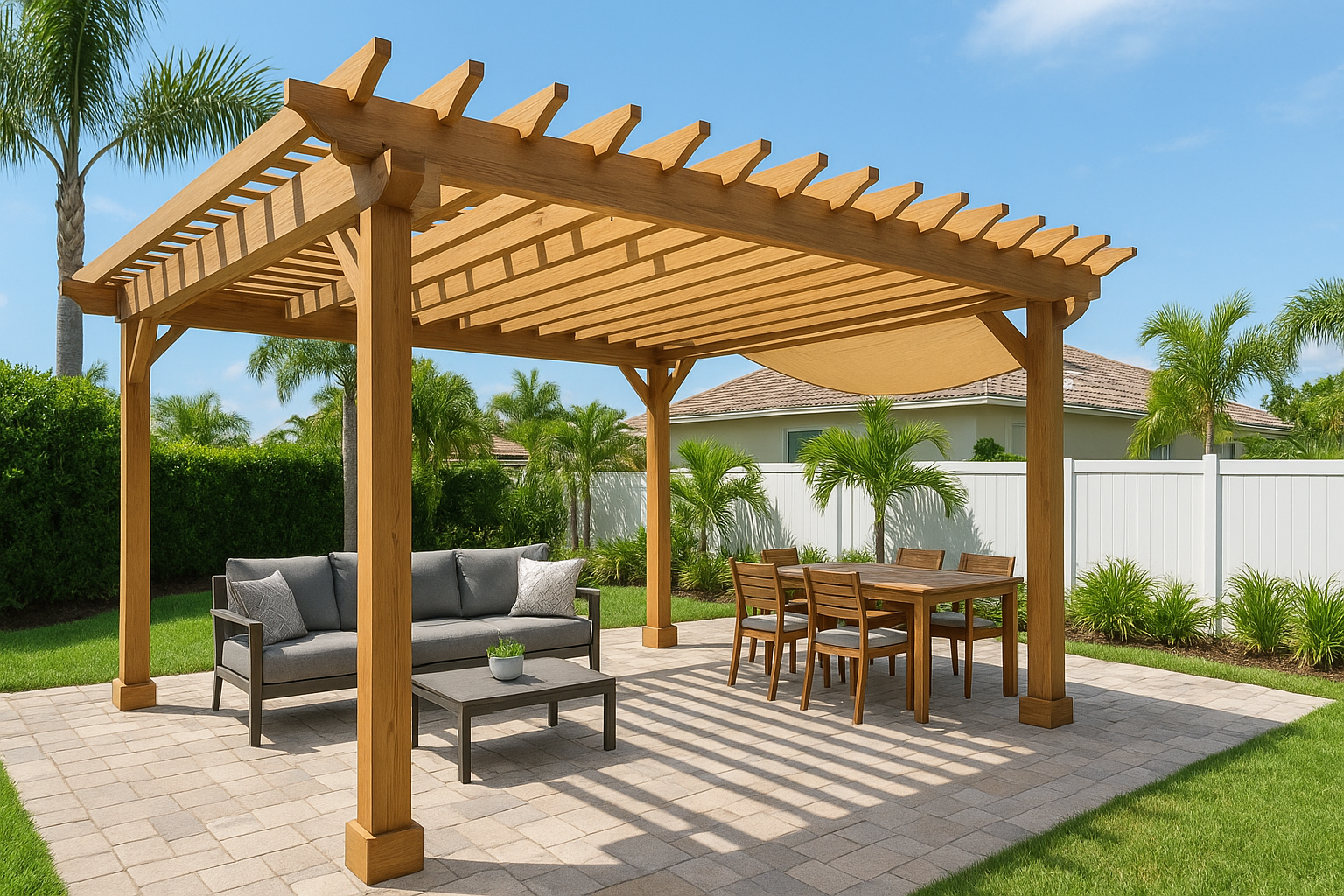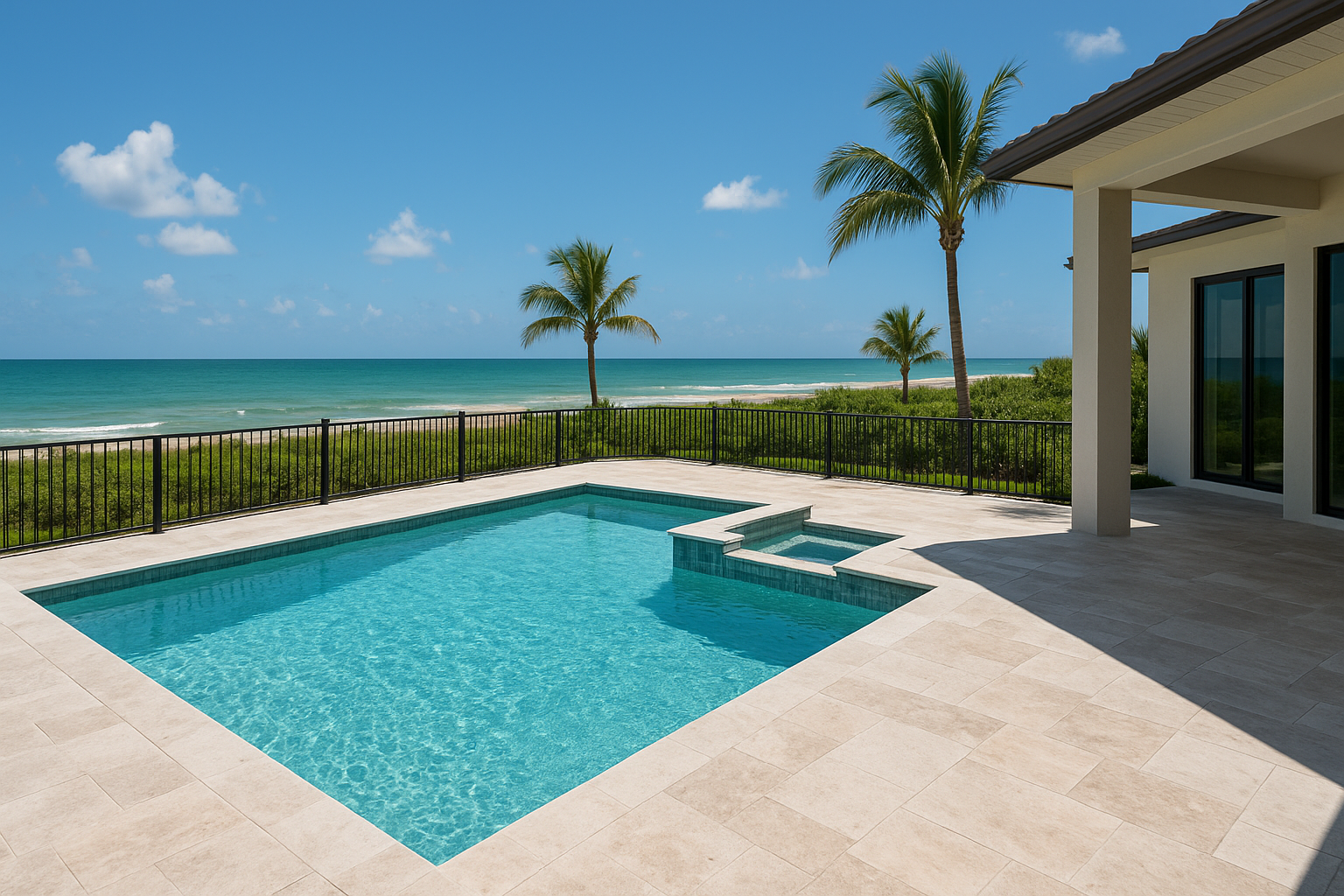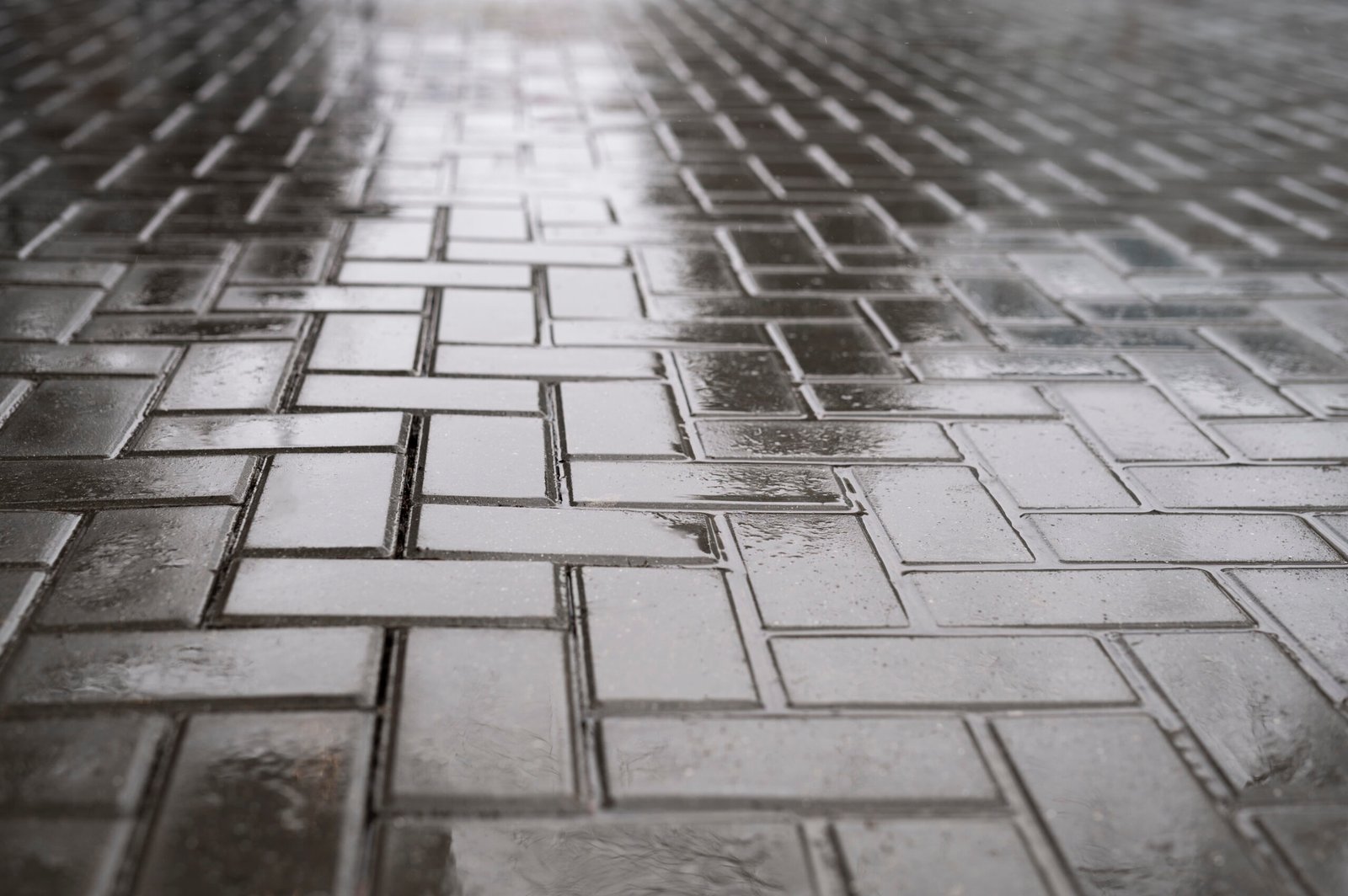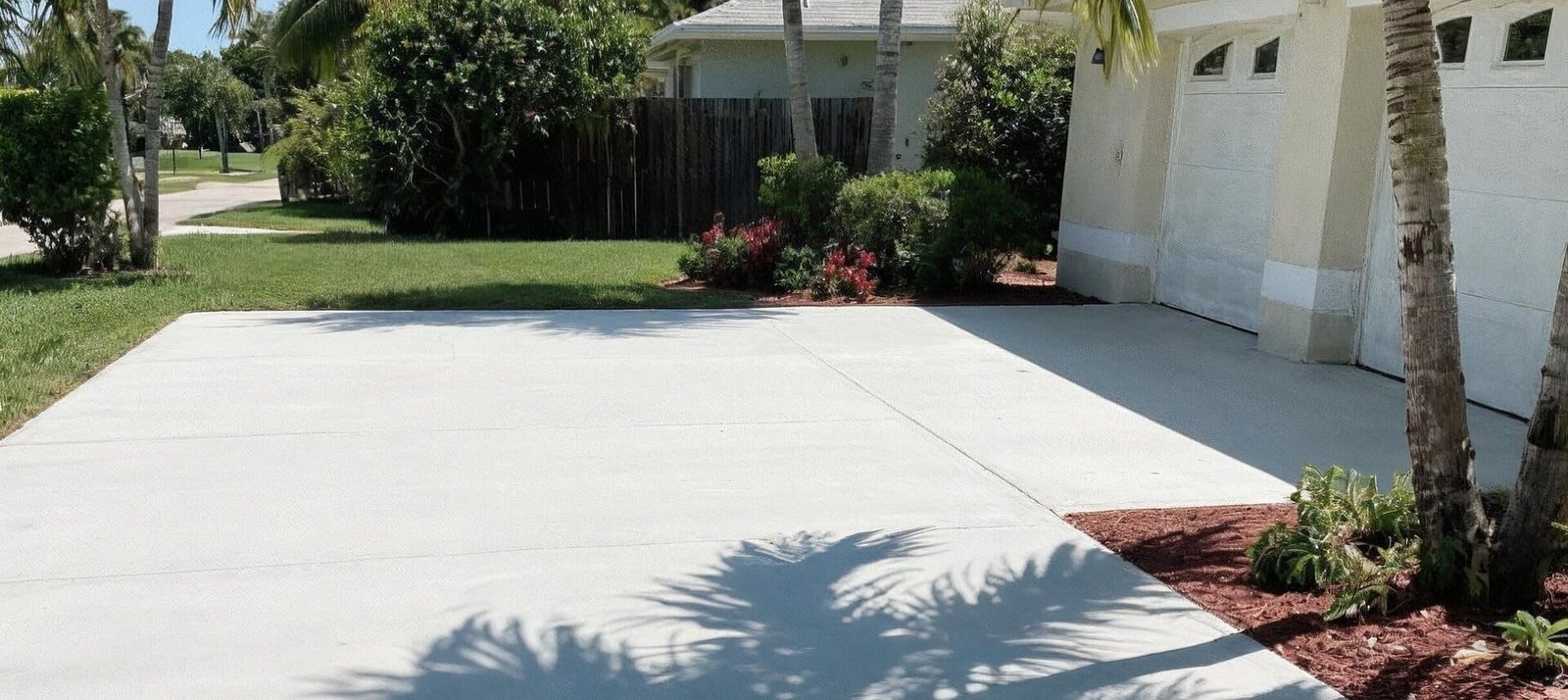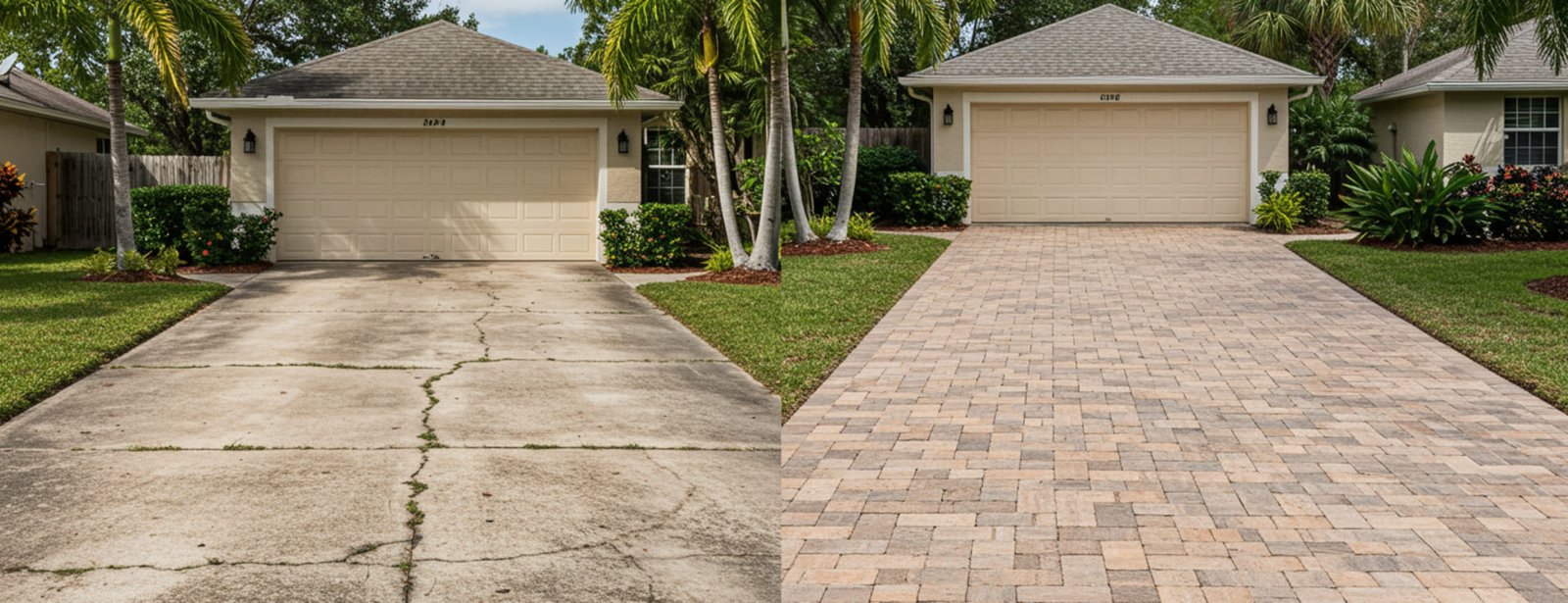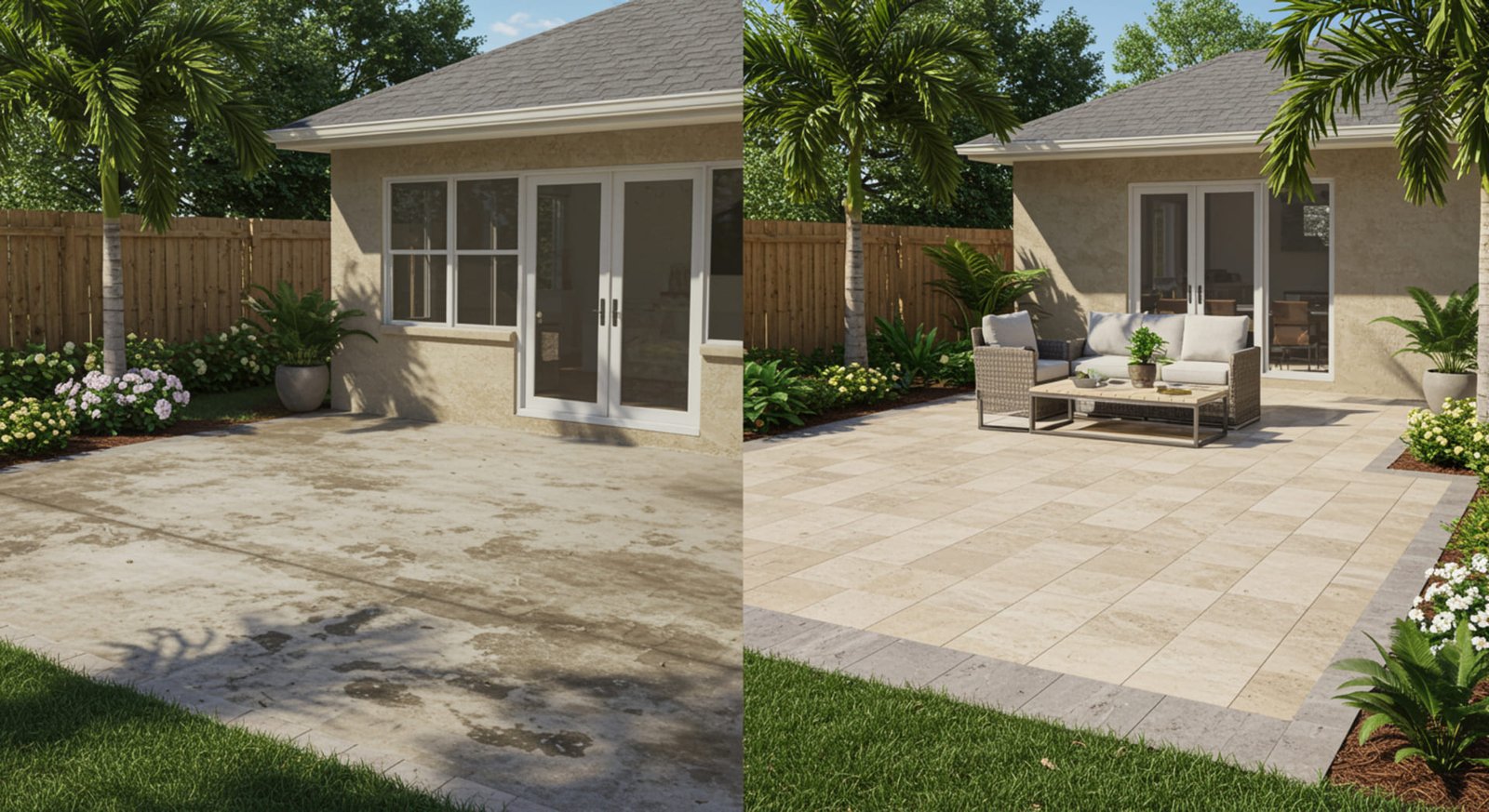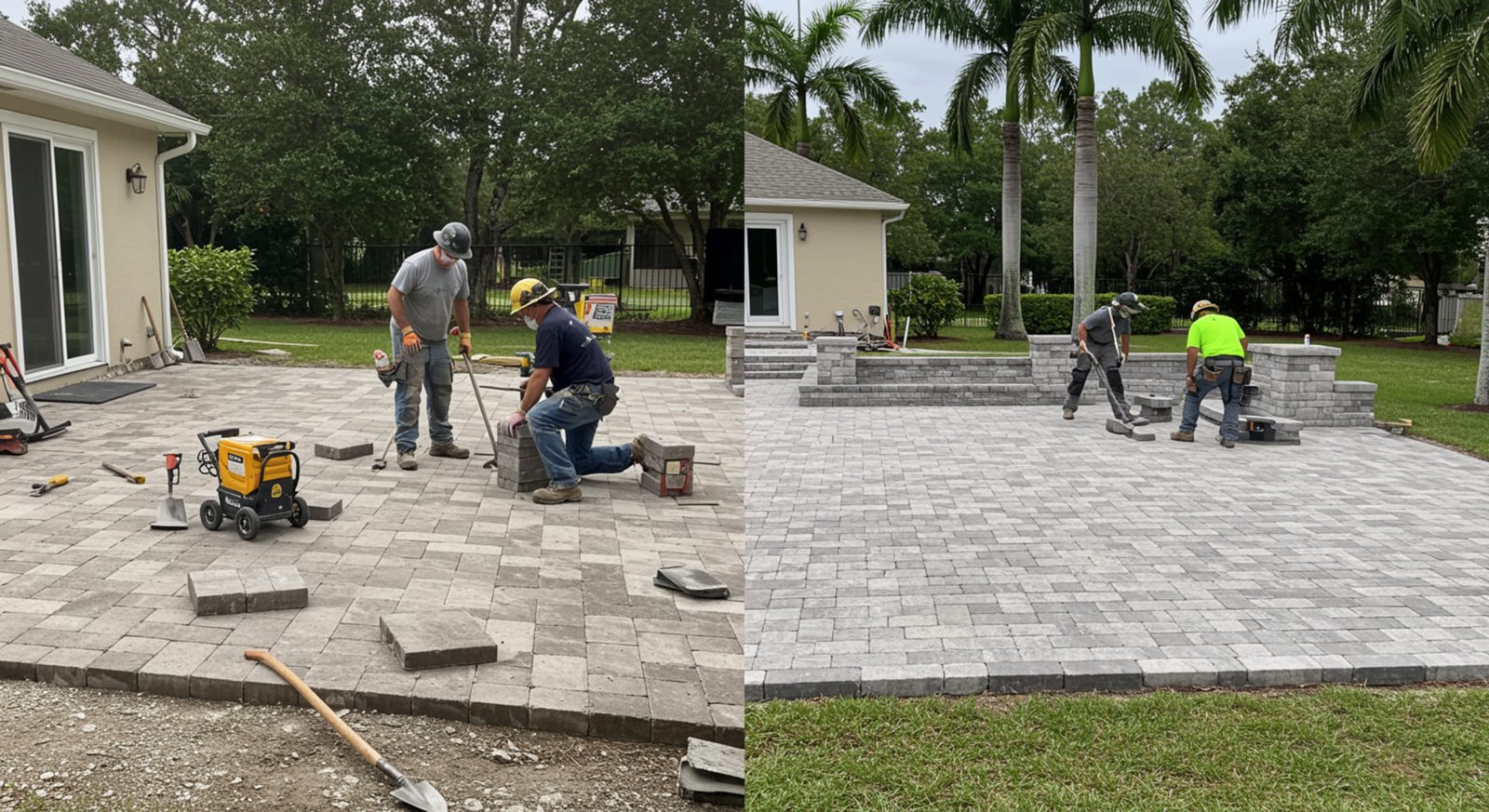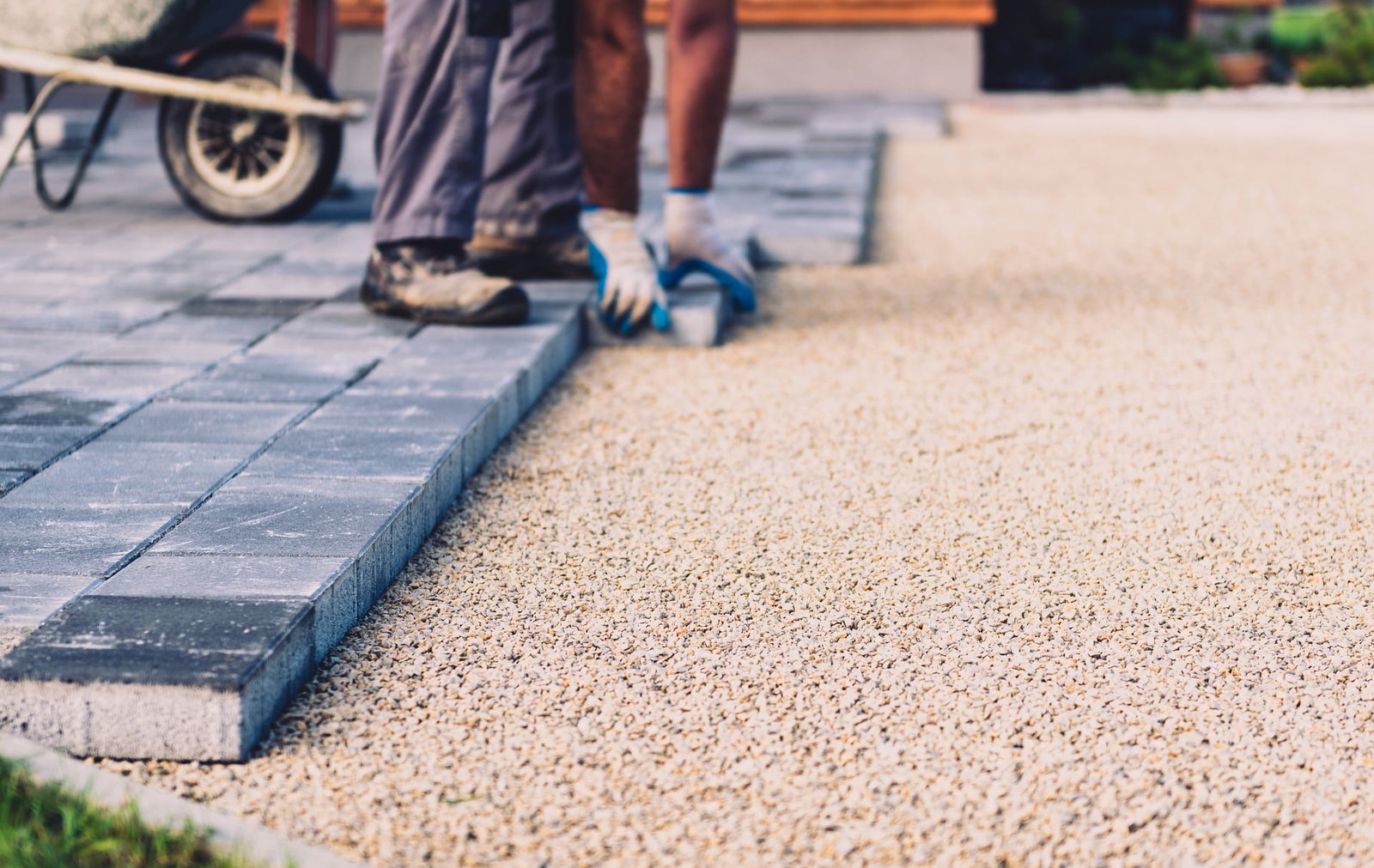
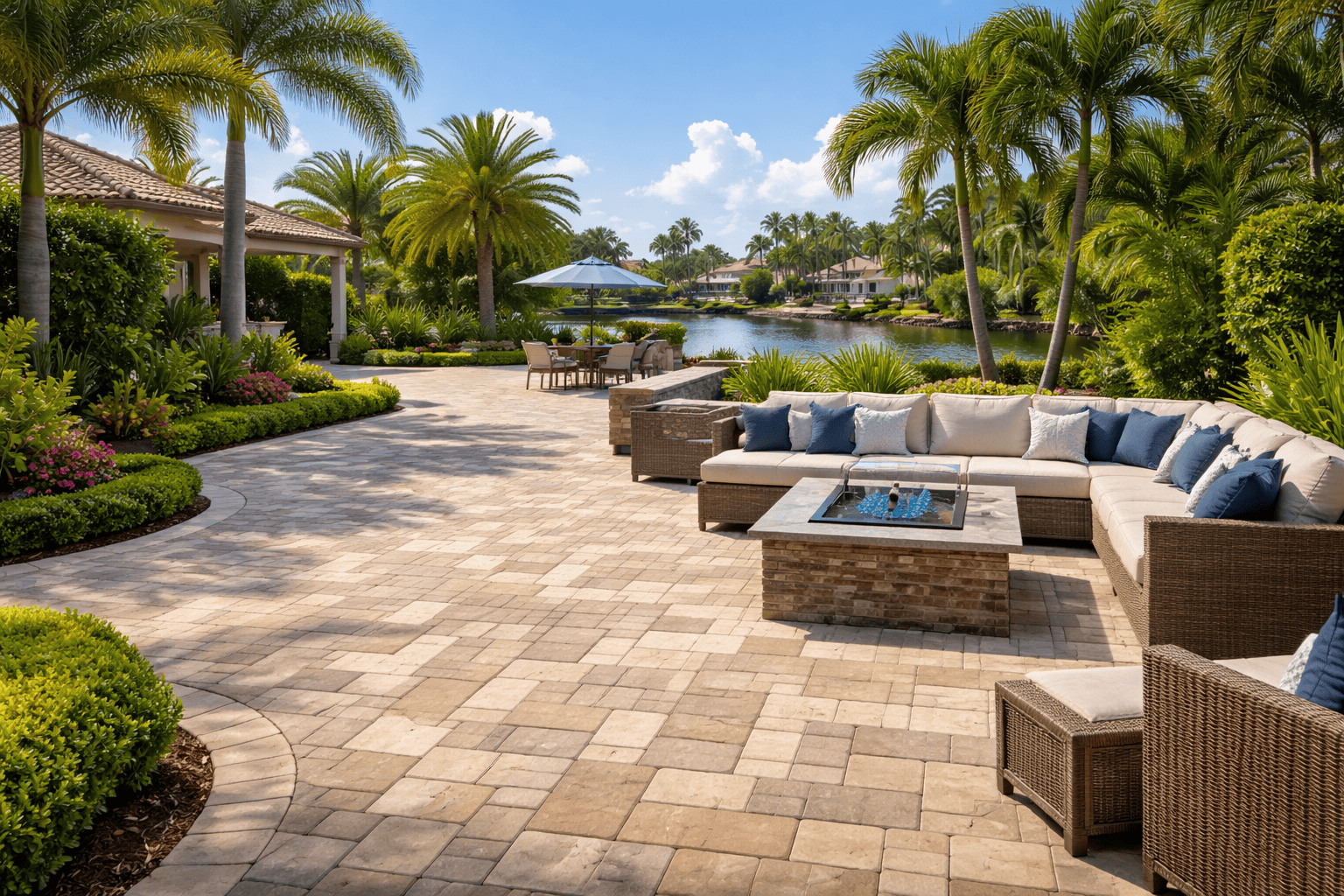
Understanding paver patio cost Brevard County homeowners should expect is easier when the project is broken into real working parts instead of sold as one square-foot number. A quality paver patio is not only about the visible surface. It also depends on excavation depth, base material, compaction, edge restraint, bedding sand, paver type, pattern complexity, drainage planning, cutting labor, and joint stabilization. Therefore, two patios with the same finished size can land in very different price ranges once the underlying build quality becomes clear.
This guide explains what usually drives that difference in Brevard County. First, it covers typical installed pricing ranges. Next, it breaks down the materials and labor categories that shape the final number. Then, it highlights the site conditions and design upgrades that move a paver patio from a basic backyard improvement into a premium outdoor living feature. If you are comparing pavers against concrete, reviewing proposals, or trying to decide when a patio should be part of a larger yard plan, this article will help you budget more intelligently.
What Paver Patio Cost Brevard County Usually Includes
A professional paver patio proposal should cover much more than the pavers themselves. In most cases, the installed cost includes layout, excavation, subgrade preparation, compacted base layers, bedding material, paver placement, cuts, edge restraint, joint sand, final compaction, cleanup, and site protection. In addition, some projects include drainage corrections, demolition of old surfaces, stepping transitions, border details, and tie-ins to existing patio doors or walkways. As a result, the final price reflects both the finished appearance and the hidden performance work underneath it.
This matters because pavers tend to be evaluated visually first. Homeowners often compare color, shape, and pattern before looking closely at base preparation. However, the long-term success of the patio depends heavily on what the crew builds below the surface. A great-looking paver field still fails if the base is weak, the slope is wrong, or the edges are not restrained properly. Consequently, the best cost conversations start with build quality, not only with material style.
The installation system has several cost layers
A paver patio is usually easiest to price when you separate the work into distinct layers. First comes demolition or excavation. Next comes the compacted structural base and grade work. Then comes the bedding course and paver installation. Finally, there are detail items such as border treatments, soldier courses, coping transitions, joint stabilization, drainage integration, and finish cleanup. Because of that structure, a simple rectangle with easy access can cost much less than a patio with curves, steps, multiple elevations, and tight backyard entry.
Typical Installed Price Range in Brevard County
In the current market, many professionally built paver patios in Brevard County fall between $18 and $32 per square foot installed. Smaller jobs, complicated access, premium materials, or elaborate borders can push the number higher. Likewise, larger patios with simpler shapes and straightforward site conditions can land near the lower-middle portion of the range. Therefore, size absolutely matters, but price still depends on the total scope, not only on area.
| Patio size | Standard paver field | Mid-range layout with border | Premium pattern / detail build |
|---|---|---|---|
| 250 sq ft | $4,500 – $6,000 | $6,000 – $7,500 | $7,500 – $9,500+ |
| 400 sq ft | $7,200 – $9,600 | $9,600 – $12,000 | $12,000 – $15,200+ |
| 600 sq ft | $10,800 – $14,400 | $14,400 – $18,000 | $18,000 – $22,800+ |
| 800 sq ft | $14,400 – $19,200 | $19,200 – $24,000 | $24,000 – $30,400+ |
These ranges assume a real installation process with correct base work and finishing. In other words, they are not based on a shortcut build over soft soil or a thin prep layer that creates settlement later. That distinction is important. Paver patios earn their reputation for durability when the system underneath them is built correctly. Otherwise, the repair flexibility that makes pavers attractive can turn into frequent correction work that should have been avoided from the start.
Main Factors That Change the Final Price
1. Excavation and site preparation
The condition of the yard before the project begins can shift the budget immediately. If the patio is being installed over open lawn with good access, prep tends to be more predictable. However, if the crew must remove an old slab, pull roots, correct drainage, or excavate around existing hardscape, the labor increases fast. Furthermore, sandy areas, buried debris, irrigation lines, or narrow access routes can slow production and add disposal costs. As a result, preparation often explains a large share of the price difference between two seemingly similar patios.
2. Base depth, compaction, and drainage
This is one of the most important cost drivers. A paver patio depends on a properly compacted base system. That means excavation depth, stone selection, lift compaction, slope control, and edge stability all matter. In Brevard County, drainage planning is especially important because sudden rain can expose low spots quickly. Therefore, a contractor who spends time talking about runoff direction and grade is usually doing more than selling a surface. That contractor is protecting the long-term performance of the patio.
If the site already has drainage concerns, this step may raise the price. Even so, it is usually a necessary increase. Correcting the slope before the pavers go down is far better than trying to solve water movement after the patio is finished. For homeowners comparing material systems more broadly, our article on patio pavers vs concrete in Florida is a useful companion read because drainage performance affects both cost and material choice.
3. Paver material, style, and thickness
Not all pavers are priced the same. Some collections focus on standard shapes and efficient installation. Others use premium textures, larger formats, tumbled finishes, or more complex profiles that increase both material and labor cost. Likewise, the visual style of the patio can influence waste, cut frequency, and border complexity. Consequently, homeowners should treat paver selection as both a design decision and a budget decision rather than assuming the product difference is only cosmetic.
4. Pattern complexity and border detail
A straight-running pattern typically installs faster than a patio with elaborate inlays, circular features, multiple directional changes, or double-border treatments. Curves also require more cuts, and those cuts take time. In addition, soldier courses, coping details, contrasting colors, and steps can all improve the appearance of the patio while also pushing labor upward. That does not mean those upgrades should be avoided. It simply means they should be priced honestly as part of the design, not folded into the quote as if they are free details.
5. Access and backyard logistics
Backyard access changes production more than many homeowners expect. If materials have to move through a narrow side yard, around a pool cage, or across a finished section of the property, installation becomes slower and more careful. Equipment limits also affect efficiency. As a result, the same patio footprint can cost more in a tight lot than in an open-access yard where labor and materials move freely.
6. Adjacent work that gets bundled into the project
Many patios are not isolated jobs. They often connect to turf, drainage correction, a fire pit zone, a fence, or a broader backyard redesign. In that situation, the patio may price differently because the crew is solving more than one problem at once. Sometimes bundling scope improves efficiency. Other times it adds coordination and detail. Either way, homeowners should know whether the quote reflects a stand-alone patio or one phase inside a larger outdoor plan.
Material, Labor, and Detail Breakdown
When homeowners compare proposals, it helps to think about the price in three buckets: materials, labor, and details. Materials include the pavers, base stone, bedding layer, edge restraint, joint material, and delivery. Labor includes excavation, compaction, placement, cutting, cleanup, and finish work. Details include borders, steps, special patterns, and drainage corrections. Because of this structure, a quote that appears higher at first may actually be more complete if it includes stronger prep and cleaner detailing.
- Materials: pavers, base aggregate, bedding sand, edge restraint, polymeric sand, and delivery
- Labor: layout, excavation, grading, compaction, cutting, installation, and final cleanup
- Detail work: borders, curves, steps, transitions, drain integration, and perimeter finishes
That is also why line-item clarity matters so much. If one contractor includes demolition, edge restraint, and polymeric sand while another keeps those items vague, the totals are not truly comparable. Therefore, the best way to judge price is to compare scope first and dollars second.
Common Hidden Costs Homeowners Overlook
Hidden costs on paver patios usually come from conditions the homeowner cannot see before the project starts. Existing surface removal is one example. Drainage correction is another. Edge conditions near the house, pool, or fence can also change the budget because they require more precise finishing. In addition, some homeowners assume sealing is automatically included, even when the contractor has not priced it. Consequently, confusion often starts because the proposal never clearly separates structural prep from visual upgrades.
Another common oversight is future maintenance planning. Pavers are often chosen because they are repair-friendly. That is true. However, their long-term performance still depends on keeping joints stable, watching edge integrity, and addressing settlement before it becomes a bigger correction. If a patio is priced with weak edge restraint or inconsistent compaction, the repair advantage of pavers becomes a recovery strategy rather than a benefit. Therefore, quality at installation still matters far more than homeowners sometimes assume.
Paver Patios vs Concrete: Where the Value Shifts
Many homeowners compare pavers against concrete because both materials can create a clean, durable patio zone. In many cases, pavers cost more upfront than a basic concrete slab. However, pavers often provide stronger layout flexibility and easier sectional repair over time. Concrete may win the early budget comparison. Pavers frequently win the conversation when homeowners care about modular repair, border design, and premium pattern control. As a result, the better value depends on what the homeowner is optimizing for, not just on the first quote number.
| Factor | Pavers | Concrete |
|---|---|---|
| Upfront cost | Usually higher | Usually lower |
| Pattern and border flexibility | Very strong | Moderate to strong depending on finish |
| Repair approach | Piece-by-piece correction possible | Repairs are more monolithic and visible |
| Drainage response | Depends on base and grade planning | Depends on slab pitch and runoff control |
| Long-term update flexibility | Higher for additions and transitions | Lower once slab geometry is fixed |
That comparison becomes even more useful when the patio is only one part of a broader project. Homeowners planning walkways, side-yard access, or future driveway tie-ins often appreciate the modular flexibility of pavers. Likewise, those who want a strong decorative slab may decide concrete is the better match. Therefore, material choice should follow the long-term yard plan, not only the initial installation budget.
If you are reviewing that bigger decision now, our pavers and driveways service page is a useful place to compare project directions before you request estimates. It also helps homeowners connect patio decisions to other hardscape goals instead of treating each surface as a separate design problem.
The Concrete Masonry and Hardscapes Association is also worth reviewing because its hardscape resources reinforce the importance of proper installation systems, performance standards, and maintenance planning for interlocking concrete pavements. That matters here because paver patio cost is tied as much to system quality as to surface appearance. In other words, the visible field is only as strong as the installation logic underneath it.
How to Compare Quotes Without Getting Misled
Homeowners generally make better decisions when they compare proposals by scope rather than by square-foot price alone. First, confirm whether demolition is included. Next, verify excavation depth, base material, compaction method, edge restraint, and joint stabilization. Then, confirm whether borders, steps, drainage corrections, and cleanup are actually part of the number. Finally, ask what happens if the crew encounters unexpected site conditions. Because of that process, the lowest quote often stops looking like the best quote once the details are visible.
It is also smart to ask how the patio fits the rest of the yard. If the same project may later include turf, a pergola, or a walkway extension, that future scope should influence how the patio is laid out now. Small planning decisions at this stage can protect the homeowner from costly redesign later. Therefore, the quote review phase should focus on long-term fit, not only immediate installation.
When It Makes Sense to Get a Professional Estimate
If you are comparing materials, dealing with slope or drainage, or planning a patio that may connect to larger yard improvements, an on-site estimate is the most useful next step. At that point, the real goal is not only to confirm price. It is to understand build sequence, determine whether the site needs correction work, and make sure the patio design matches the way the space will actually be used. As a result, a good estimate usually saves money by preventing poor layout and underbuilt prep.
Ready to upgrade your driveway or patio? Contact Golden Outdoor Solutions or call +1 (321) 745-9047 for a free estimate anywhere in Brevard County, explore completed outdoor work in the projects gallery, follow new installs on Instagram and Facebook, review local feedback on Google reviews, or send a quick estimate request through WhatsApp if you want to compare paver patio cost Brevard County options with a real site plan in mind.