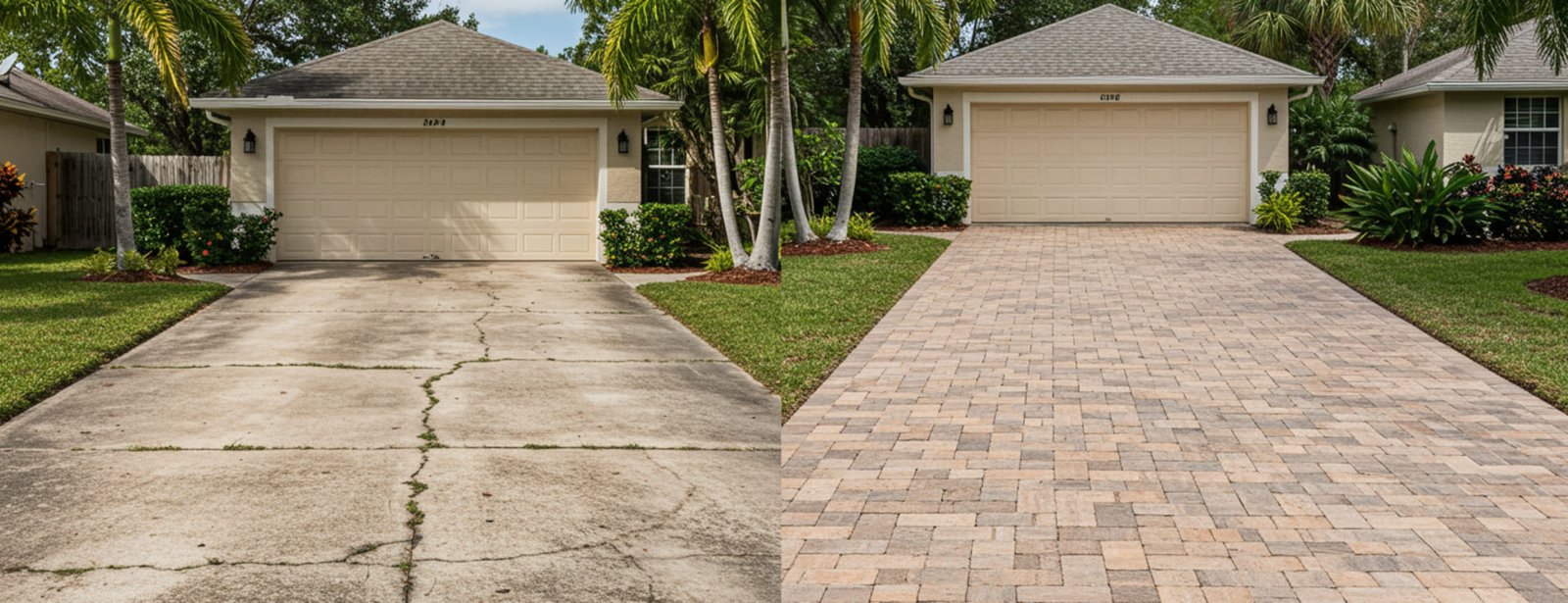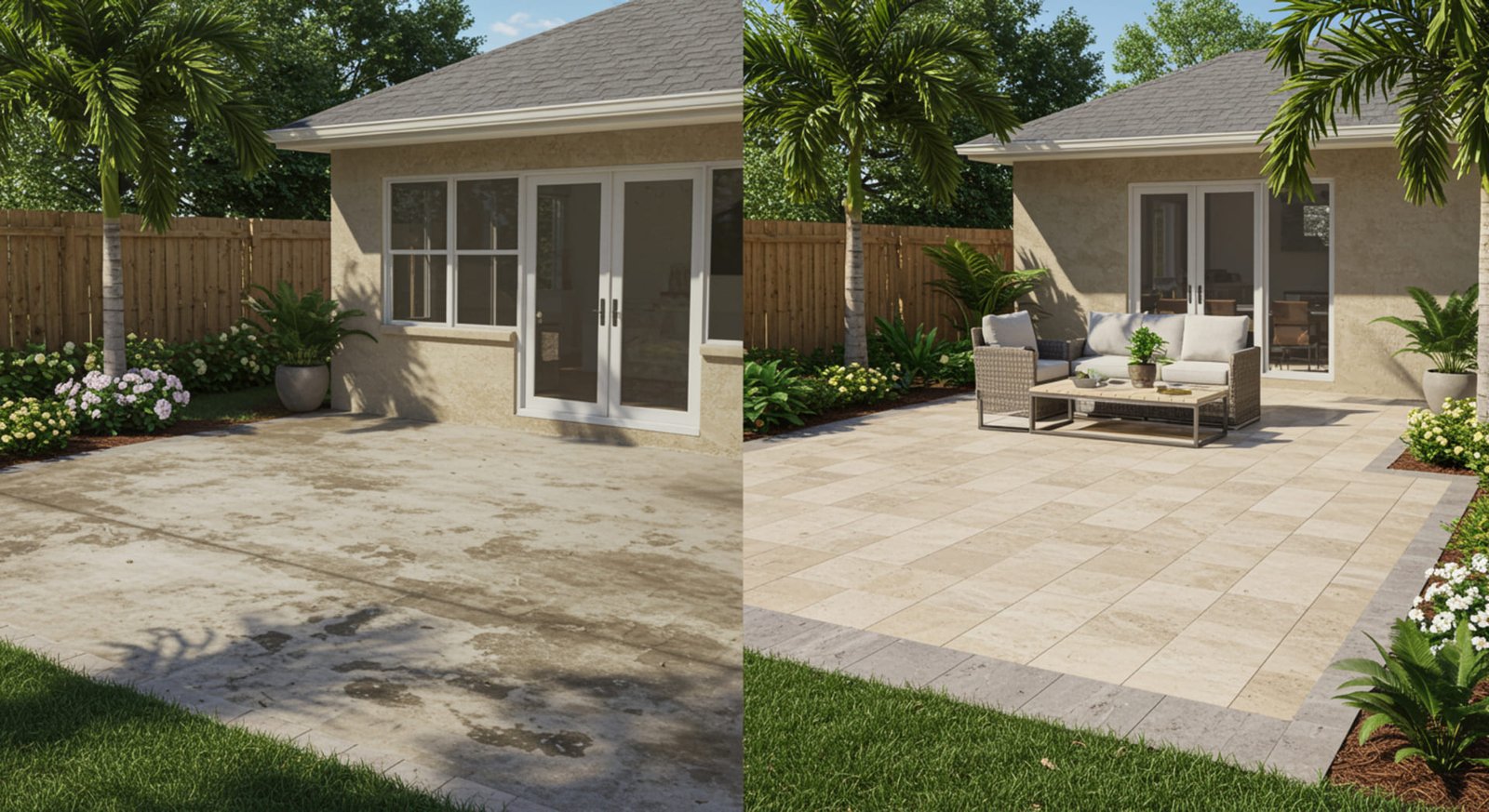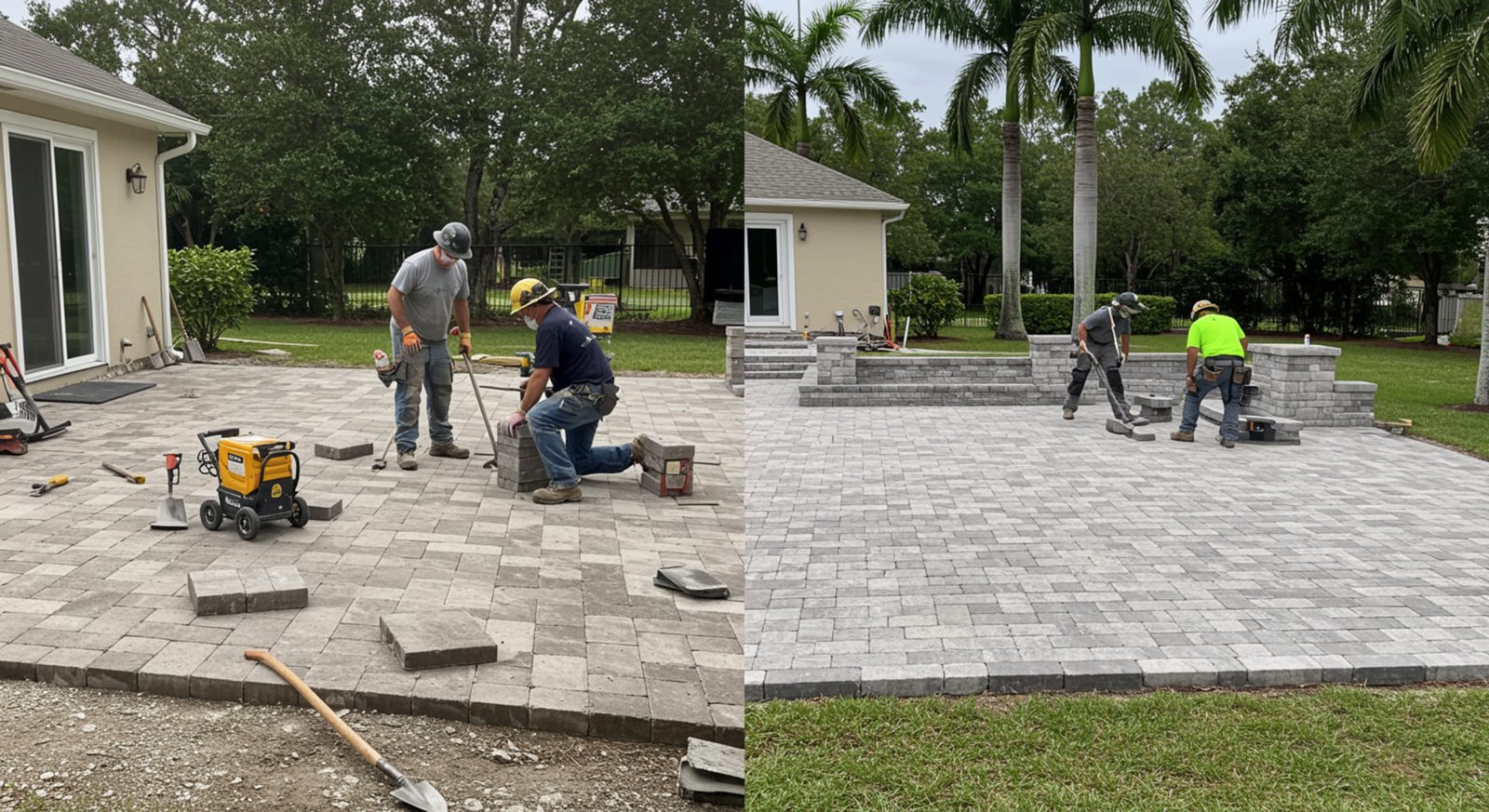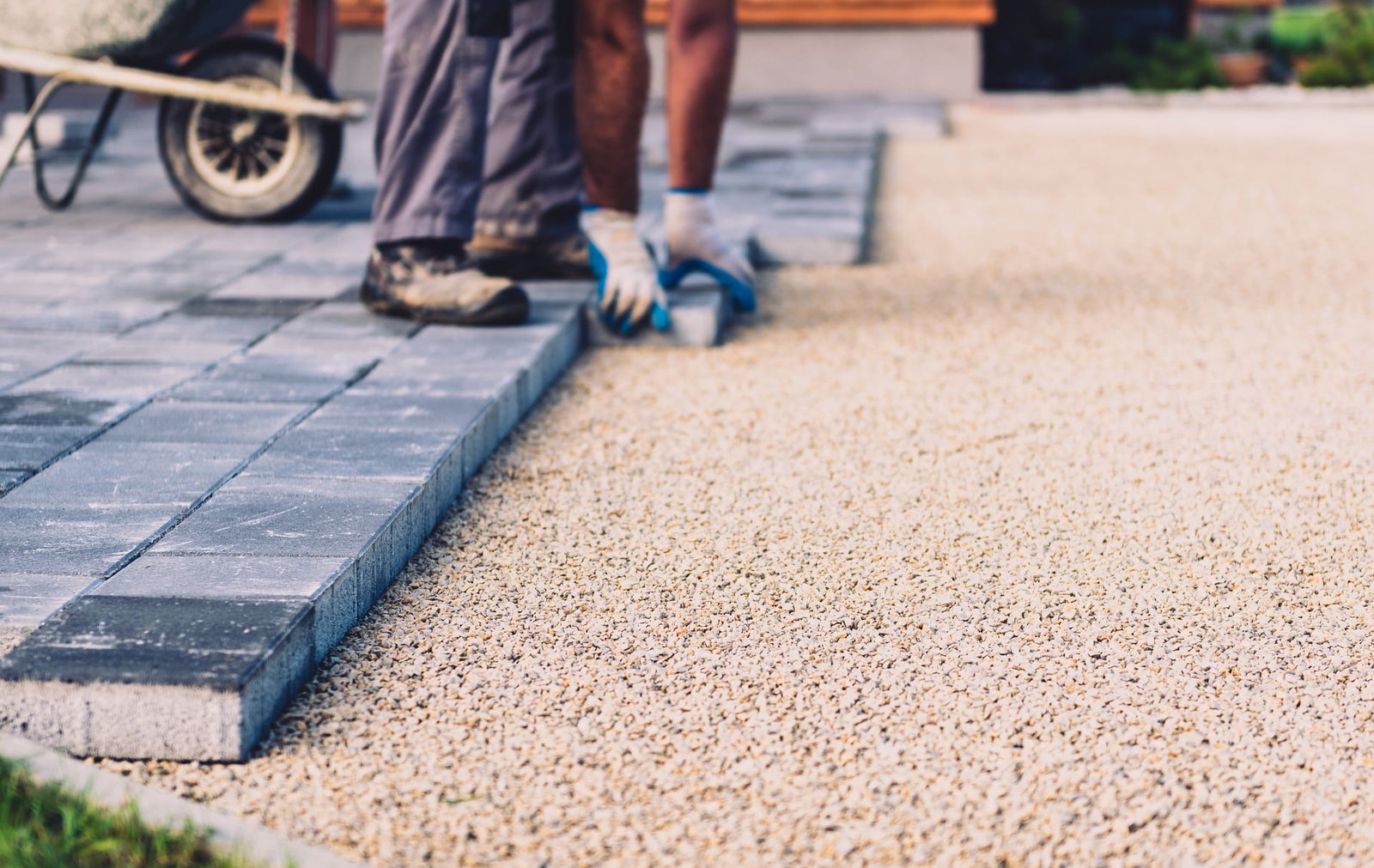
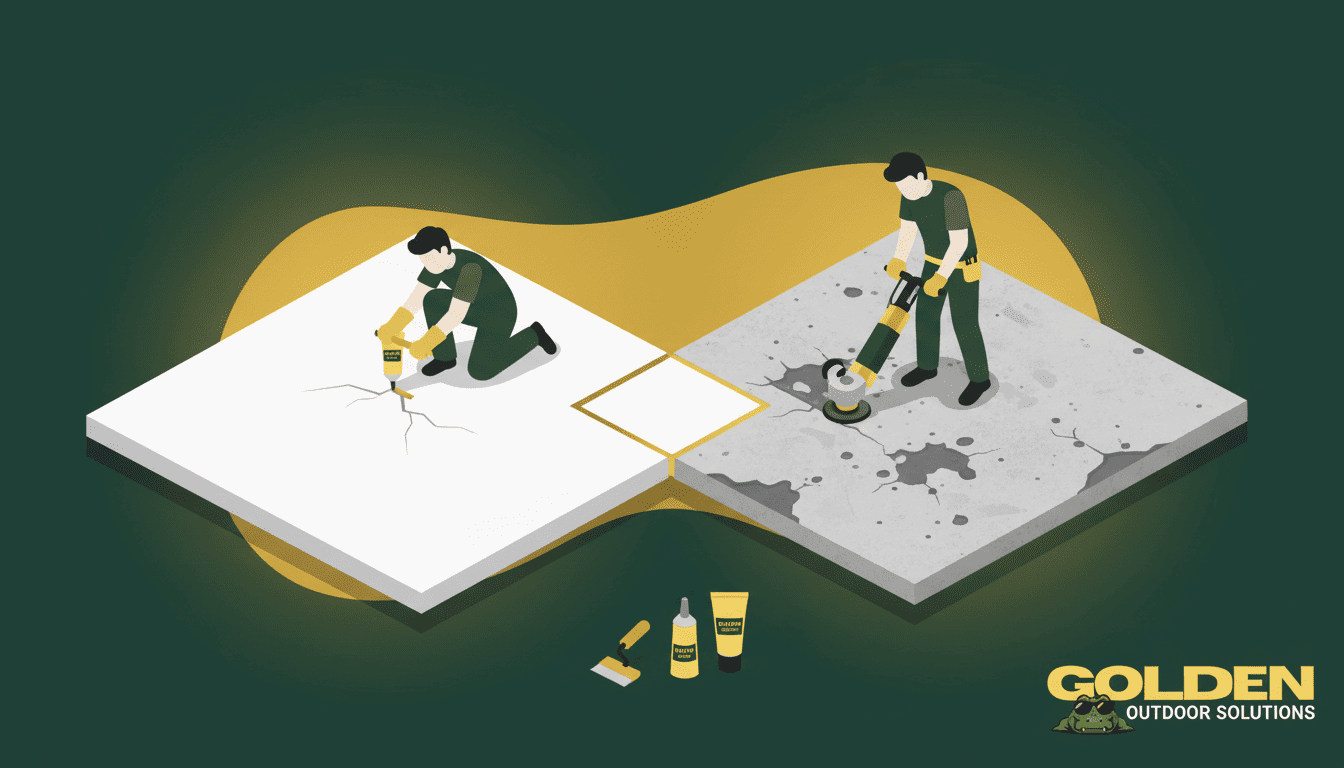
Deciding between DIY concrete repair Florida homeowners can handle safely and repairs that require a licensed professional is not always straightforward. Some surface issues are genuinely manageable with the right products and preparation. Others, however, look simple on the surface but involve structural problems that get significantly worse without professional intervention. This guide breaks down exactly where that line is — and why Florida’s climate makes the distinction more critical than in most other states.
Why Concrete Repair in Florida Is Different
Florida’s climate puts concrete under constant stress. Intense UV exposure degrades surface sealers faster than in northern states. Furthermore, the freeze-thaw cycle that causes most concrete damage in colder climates does not apply here — instead, Florida concrete faces thermal expansion from extreme heat, moisture intrusion from heavy rain, and biological growth from year-round humidity.
As a result, repair products and methods that work reliably in other states often underperform in Florida’s conditions. Therefore, understanding which repairs are Florida-appropriate — and which require professional-grade materials and equipment — directly determines whether a repair holds for two years or twenty.
DIY Concrete Repair Florida: What Homeowners Can Handle
Not every concrete issue requires a contractor. In fact, several common problems fall well within DIY capability when approached correctly. However, each of these requires honest assessment of the damage scope before starting.
Hairline Surface Cracks
Hairline cracks — under one-eighth of an inch wide — are typically cosmetic. They result from normal concrete shrinkage during curing or minor surface stress. For most Florida homeowners, these are manageable with a quality polyurethane or epoxy crack filler available at local hardware stores.
The key requirement is surface preparation. Clean the crack thoroughly before applying any filler. Additionally, choose a product rated for exterior use in high-humidity environments. Standard interior-grade fillers fail quickly under Florida’s outdoor conditions. Most importantly, apply a UV-resistant sealer over the repair once the filler cures completely.
Minor Surface Spalling
Spalling — where the concrete surface flakes or pops off in small areas — is common on Florida driveways and pool decks. In cases where the affected area covers less than ten percent of the total surface, a DIY resurfacing product can restore the appearance effectively.
Polymer-modified concrete overlays bond well to existing concrete when the surface is clean, structurally sound, and properly dampened before application. However, if spalling covers a larger area or reveals exposed aggregate and rebar beneath, that signals a deeper moisture infiltration problem. In that case, professional assessment is the correct next step. For a detailed look at spalling specifically on pool decks, our post on pool deck spalling in Florida covers the causes and repair options in full.
Small Hole and Edge Repairs
Isolated holes from impact damage or edge chipping along driveway borders are reasonable DIY projects. Hydraulic cement or vinyl concrete patching compounds handle these repairs well when applied correctly. The patch area must be undercut slightly — meaning the edges of the hole should angle inward — so the patch material locks in rather than sitting on top of a flat surface.
Beyond that, curing time matters more in Florida’s heat. Apply repairs early in the morning to avoid rapid moisture loss during curing. Similarly, mist the patch lightly during the first few hours on hot days to prevent surface cracking as the material sets.
Cleaning and Sealing
Pressure washing and resealing concrete surfaces is well within DIY range. In Florida, concrete driveways, patios, and walkways benefit from sealing every one to two years. A penetrating silane-siloxane sealer provides the best moisture protection for outdoor Florida concrete. Additionally, it resists UV yellowing better than film-forming sealers, which tend to peel under intense sun exposure.
When DIY Concrete Repair Florida Goes Wrong
The most common DIY concrete repair mistake in Florida is treating a structural symptom as a surface problem. Cracks that look cosmetic often indicate movement in the base or subgrade beneath the slab. Patching the surface without addressing the cause produces a repair that fails within months — and sometimes accelerates the underlying damage.
Furthermore, mismatched repair products create long-term bonding failures. Concrete overlays applied over contaminated, compromised, or improperly prepared surfaces delaminate under Florida’s thermal cycling. Once a repair layer separates from the base slab, the affected area typically needs professional grinding and resurfacing to restore correctly.
In addition, color matching is harder than it looks. Patched areas rarely match the surrounding concrete tone — particularly on older surfaces that have weathered significantly. For high-visibility areas like driveways and pool decks, a mismatched patch can reduce curb appeal as much as the original damage did.
DIY vs Professional: Side-by-Side Comparison
| Repair Type | DIY Viable? | Professional Recommended? |
|---|---|---|
| Hairline surface cracks | Yes | Optional |
| Minor surface spalling (<10%) | Yes | Optional |
| Small isolated holes | Yes | Optional |
| Cleaning and resealing | Yes | Optional |
| Wide or structural cracks | No | Required |
| Slab settling or heaving | No | Required |
| Large-area spalling (>10%) | No | Required |
| Pool deck resurfacing | No | Required |
| Driveway full resurfacing | No | Required |
| Drainage-related cracking | No | Required |
When to Call a Professional: Clear Warning Signs
Several conditions clearly indicate that professional repair is the only appropriate path. Recognizing these early prevents small problems from becoming expensive replacements.
Cracks Wider Than One-Quarter Inch
Wide cracks signal structural movement — not surface shrinkage. In Florida, this commonly results from soil erosion beneath the slab, root intrusion, or subgrade saturation from poor drainage. Therefore, filling the crack without stabilizing the base produces a repair that reopens within one to two seasons. A professional contractor identifies the root cause and addresses both the symptom and the source.
Uneven or Settled Slabs
When one section of a driveway, patio, or pool deck sits higher or lower than an adjacent section, the slab has moved. This creates a trip hazard and indicates subgrade failure beneath the concrete. Consequently, surface repair alone does not solve the problem. Professional options include slab jacking, foam lifting, or full replacement — depending on the severity and cause of the settlement. For more on this specific issue, our post on pool deck settling in Florida explains the assessment and repair process in detail.
Widespread Surface Deterioration
When spalling, cracking, or scaling affects more than ten percent of a surface, DIY patching creates an inconsistent patchwork that looks worse than the original damage over time. Furthermore, widespread deterioration often indicates that the concrete has reached the end of its effective surface life. In these cases, professional resurfacing — which grinds the existing surface and applies a uniform bonded overlay — restores appearance and function in a single process.
Drainage-Related Cracking Patterns
Cracking that follows a consistent pattern — particularly near downspouts, low points, or pool equipment areas — often indicates chronic water intrusion beneath the slab. Florida’s sandy soil erodes quickly when water channels consistently through the same path. As a result, fixing the surface without correcting the drainage source guarantees repeat damage. A professional identifies the drainage source and corrects both issues together.
Anything Adjacent to a Pool
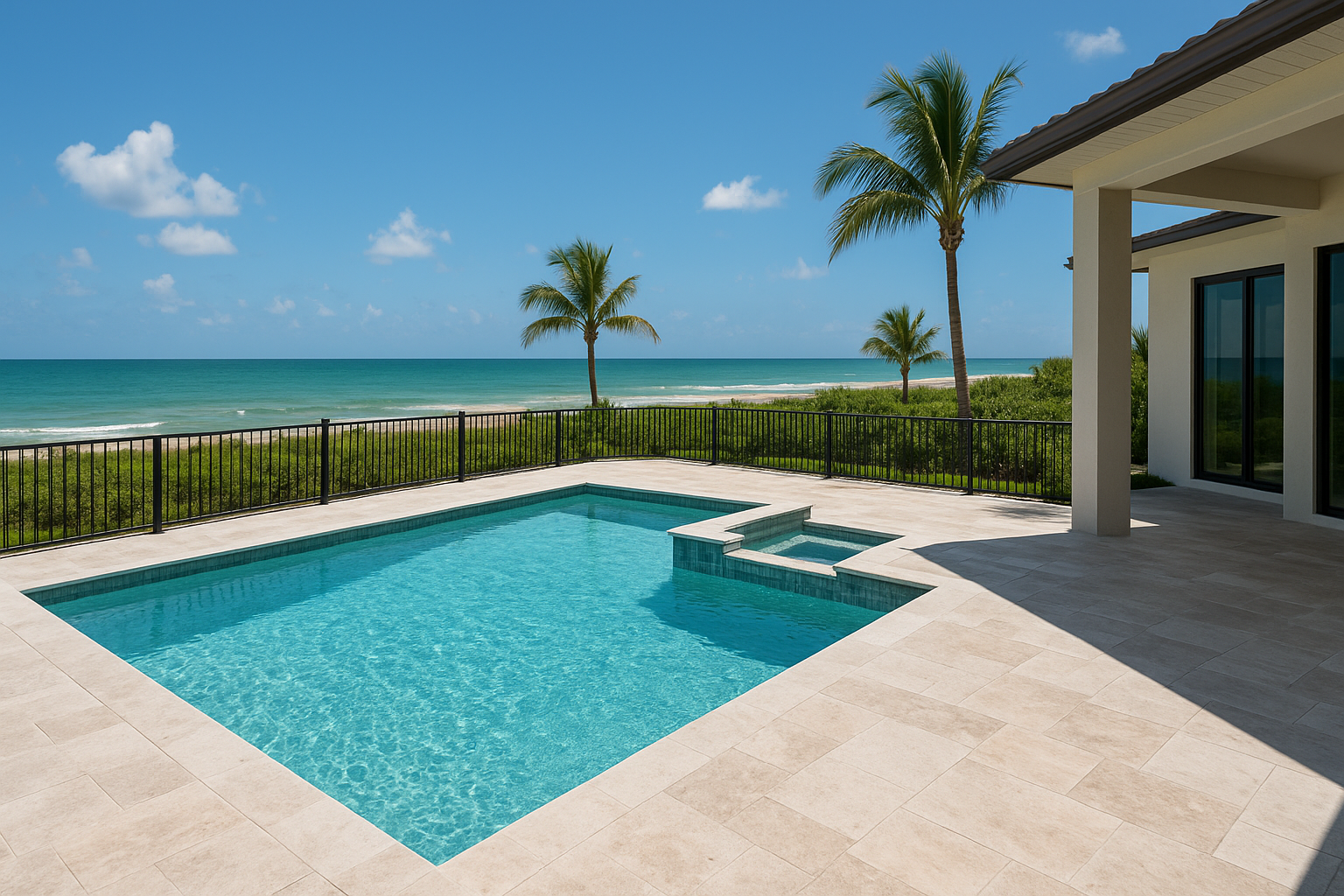
Pool deck concrete repair carries additional risk. Improper repairs near a pool can compromise the waterline bond, affect expansion joint performance, or introduce contaminants that affect water chemistry. Additionally, Florida pool decks require slip-resistant surfaces — a DIY patch that alters the surface texture can create liability if someone slips and falls. Professional repair maintains the safety and compliance standards that pool deck surfaces require.
DIY Concrete Repair Florida: Real Cost Comparison
Cost is usually the primary reason homeowners attempt DIY concrete repairs. However, the true cost comparison is more nuanced than materials versus labor alone.
| Scenario | DIY Cost | Professional Cost | Notes |
|---|---|---|---|
| Hairline crack repair (10 linear ft) | $15 – $40 | $150 – $300 | DIY viable here |
| Minor spalling patch (20 sq ft) | $40 – $80 | $300 – $600 | DIY viable if surface is sound |
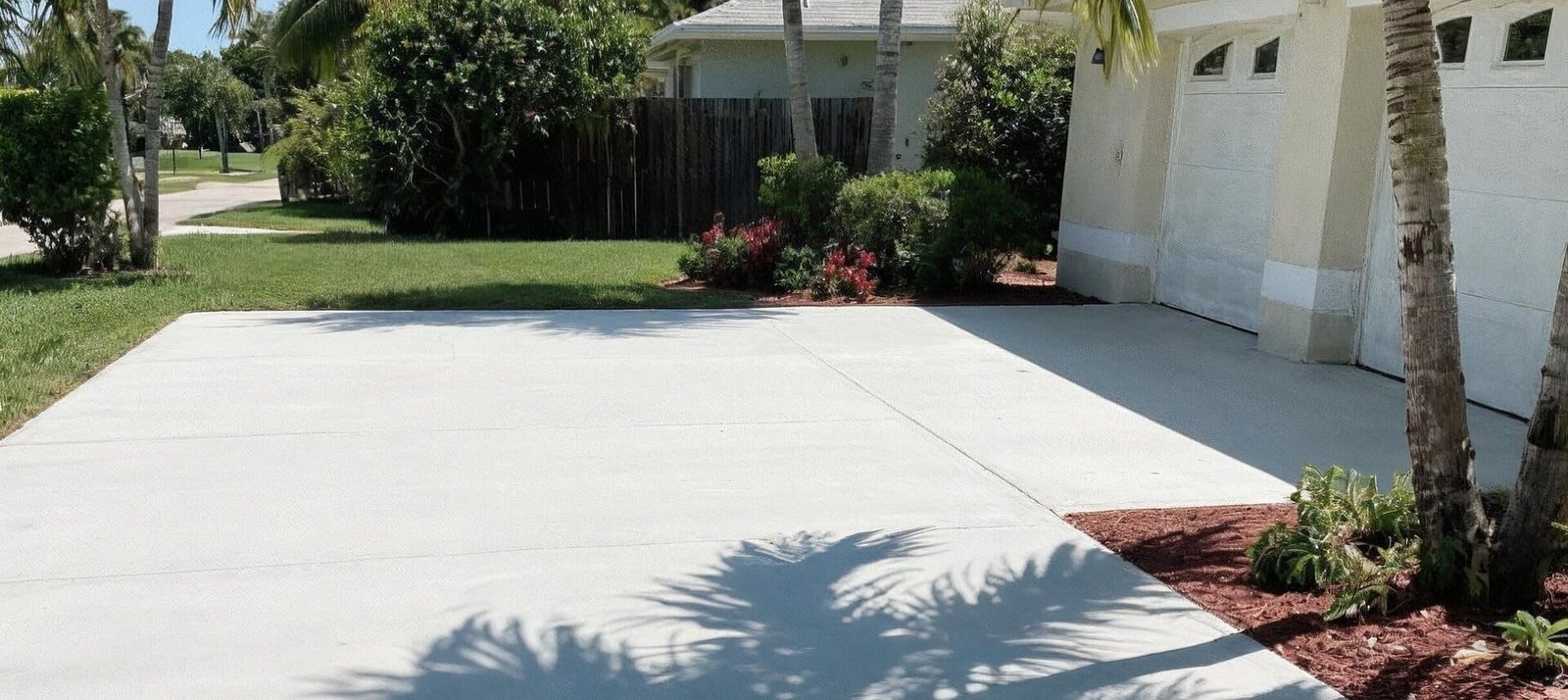
| Driveway resurfacing (600 sq ft) | $200 – $500 + time | $1,200 – $2,500 | Pro strongly recommended |
| Pool deck resurfacing (800 sq ft) | Not recommended | $2,000 – $4,500 | Pro required |
| Failed DIY repair — professional correction | Already spent | +$500 – $1,500 extra | Costs more than going pro first |
The last row in that table reflects a pattern contractors see regularly. A DIY repair that fails — particularly a delaminated overlay or an improperly patched crack — requires additional preparation work before professional resurfacing can proceed. In other words, the failed DIY attempt adds cost rather than saving it.
Choosing the Right Products for DIY Concrete Repair in Florida
If a repair genuinely falls within DIY range, product selection determines the outcome. Florida’s climate eliminates several product categories that perform well in other regions.
- Crack fillers: Use polyurethane or epoxy-based products rated for exterior use. Avoid acrylic latex fillers outdoors — they dry out and shrink under Florida’s UV exposure.
- Patching compounds: Polymer-modified vinyl concrete patching mixes bond better to existing concrete than standard Portland cement mixes. They also resist shrinkage cracking during cure.
- Sealers: Penetrating silane-siloxane sealers outperform film-forming acrylics on Florida outdoor surfaces. They do not peel, yellow, or trap moisture beneath the surface.
- Concrete overlays: Use only overlays specifically rated for exterior application and high-humidity environments. Read the technical data sheet — not just the packaging — before purchasing.
What Professional Concrete Repair Includes That DIY Cannot Match
Professional concrete repair in Florida involves equipment, materials, and process steps that are not available or practical for most homeowners. Understanding what those are helps clarify when the professional investment is genuinely justified.
Diamond Grinding and Surface Profiling
Before any professional resurfacing, the existing surface receives diamond grinding to create a mechanical profile. This process removes laitance — the weak surface layer — and opens the concrete pores for proper product bonding. Without this step, overlays and coatings delaminate under thermal cycling. Consequently, diamond grinding equipment is expensive, and operating it correctly requires training and experience that most DIY approaches skip entirely.
Commercial-Grade Repair Materials
Professionals access material grades not available in retail stores. Commercial polymer concrete overlays and structural repair mortars cure faster, bond more strongly, and resist Florida’s conditions longer than retail products. Furthermore, these materials often come with performance warranties that retail products do not offer. The difference in material quality alone frequently justifies the professional labor cost.
Structural Diagnosis Before Repair
An experienced contractor assesses the subgrade condition, drainage pattern, and crack origin before touching the surface. This diagnosis step prevents treating symptoms without addressing causes. In contrast, most DIY repairs skip this step entirely — which explains why many DIY repairs fail within a season in Florida’s demanding outdoor conditions.
DIY Concrete Repair Florida: The Honest Bottom Line
DIY concrete repair makes sense for small, isolated, cosmetic issues on structurally sound surfaces. For anything involving movement, widespread deterioration, pool deck surfaces, or drainage-related damage, professional repair consistently produces better outcomes at lower total cost when accounting for the full repair lifecycle.
Additionally, Florida’s UV intensity, humidity, and soil conditions accelerate the consequences of improper repairs faster than in most other states. Therefore, the risk-reward calculation tilts more strongly toward professional work here than it does elsewhere. A repair done right the first time — with the correct materials, proper surface preparation, and structural diagnosis — is always less expensive than a repair done twice.
For a complete overview of professional concrete repair and resurfacing services available across Central Florida, our concrete services page covers the full range of solutions Golden Outdoor Solutions delivers for driveways, patios, pool decks, and commercial surfaces throughout the region.
The Concrete Network publishes contractor-grade guidance on concrete repair methods, material specifications, and installation standards that provides useful technical context when evaluating repair options and professional contractor qualifications.
Ready to repair or resurface your concrete? Contact Golden Outdoor Solutions for a free on-site assessment and browse our completed projects gallery to see real concrete repair and resurfacing work across Central Florida. Follow us on Instagram and Facebook for practical tips and project updates, and read what our clients say on Google Reviews. Reach us anytime via WhatsApp, by phone at +1 (321) 745-9047, or by email at contact@goldenoutdoorsolutions.com — we serve homeowners throughout Central Florida. 🔧✨