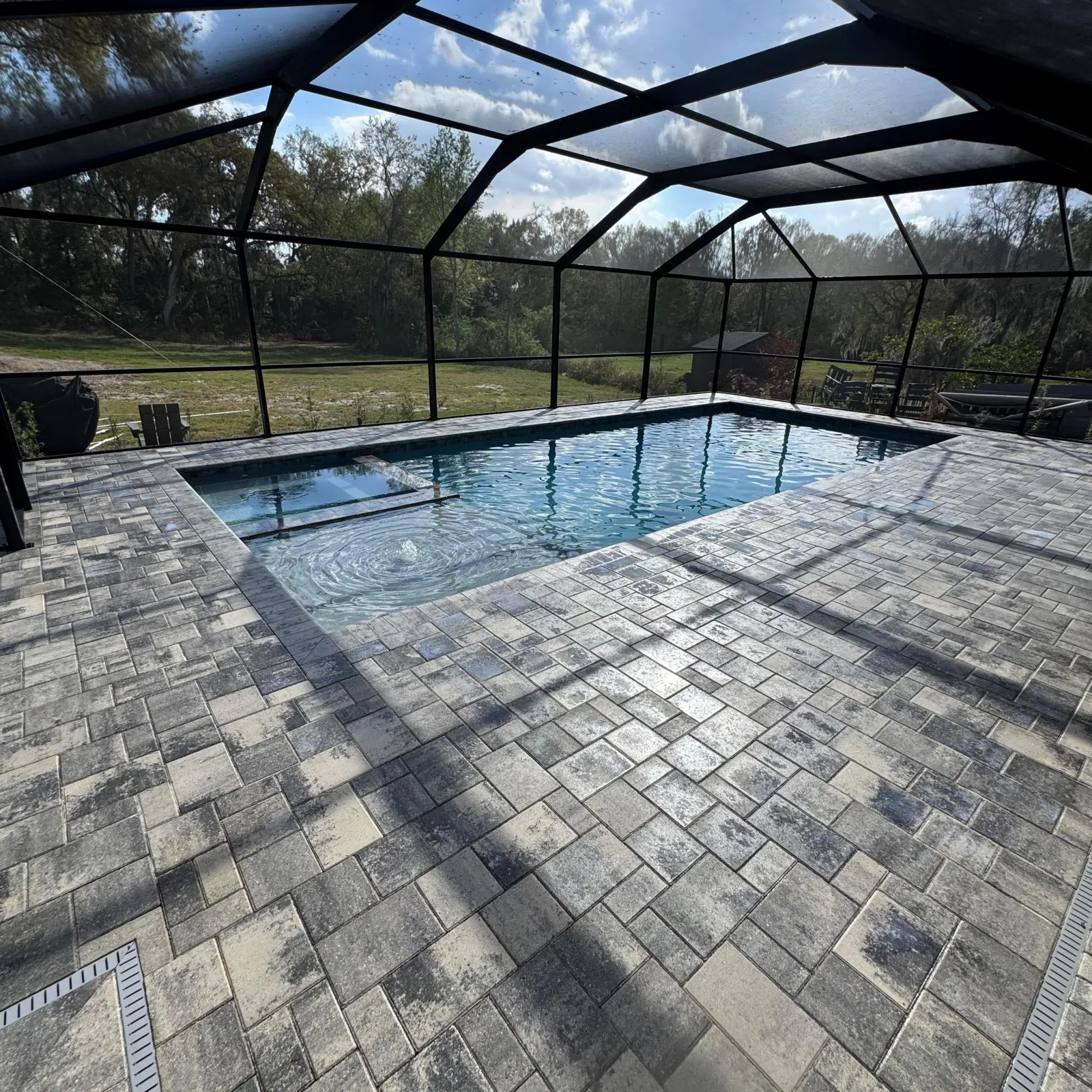
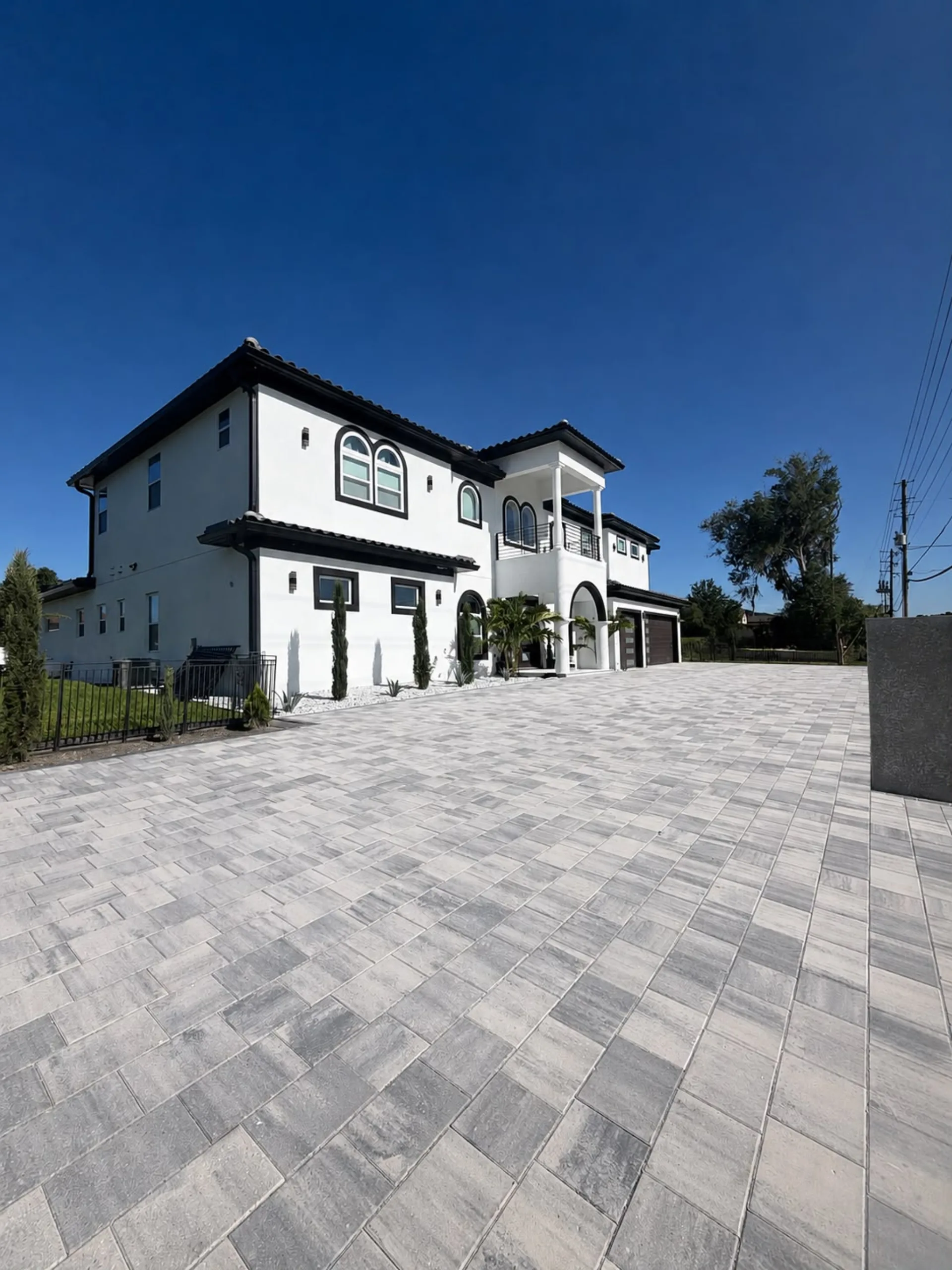
Understanding paver patio cost in Florida is the first step every homeowner should take before starting an outdoor renovation project. Prices vary widely depending on materials, size, design complexity, and site conditions — and in Central Florida, local factors like soil composition, rainfall patterns, and heat exposure add another layer to the equation. However, knowing what drives those numbers puts you in a much stronger position when comparing quotes and making decisions.
This guide breaks down everything you need to know: average costs, pricing factors, material comparisons, installation details, and how to get real value from your investment. Furthermore, it helps you avoid the most common mistakes homeowners make when budgeting for a paver patio project.
Paver Patio Cost in Florida: Average Price Ranges
Most homeowners in Central Florida spend between $15 and $35 per square foot for a professionally installed paver patio. Therefore, a standard 400-square-foot patio typically costs between $6,000 and $14,000, including materials and labor. However, premium materials, custom patterns, or complex site preparation can push costs higher.
For example, a basic concrete paver patio using standard gray blocks sits at the lower end of the range. In contrast, natural stone, travertine, or large-format porcelain pavers can reach $40 to $60 per square foot or more. Most importantly, these numbers should serve as a planning reference — not a final quote. Every project is different.
| Paver Type | Avg. Cost per Sq. Ft. | Best For |
|---|---|---|
| Concrete Pavers | $15 – $22 | Driveways, patios, budget-conscious projects |
| Brick Pavers | $18 – $28 | Classic look, high traffic areas |
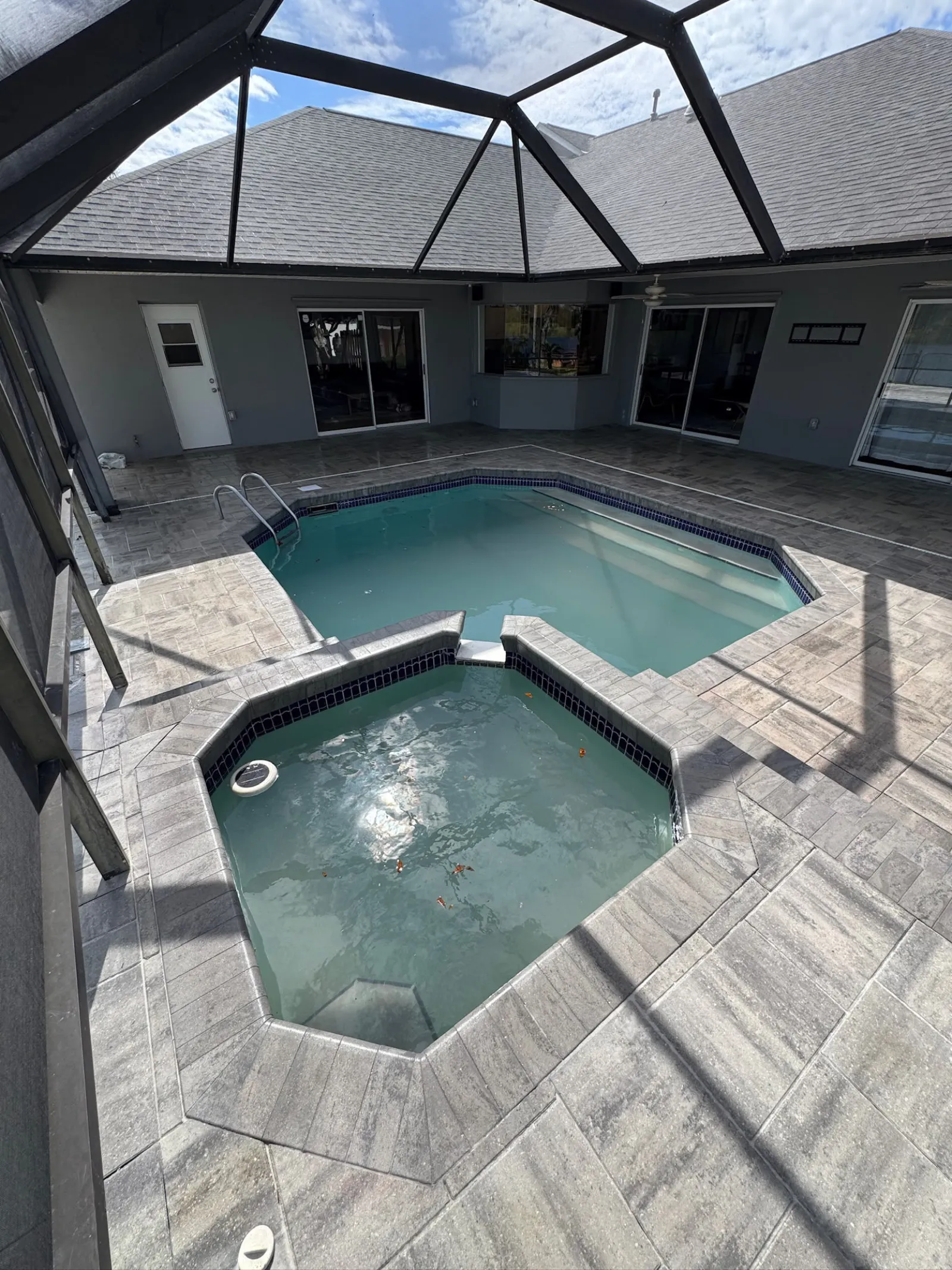
| Travertine Pavers | $22 – $35 | Pool decks, upscale patios |
| Natural Stone | $30 – $50+ | Luxury landscaping, custom designs |
| Porcelain Pavers | $35 – $60+ | Modern aesthetics, low maintenance |
Key Factors That Influence Paver Patio Pricing
Several variables directly impact the final cost of a paver patio installation. Consequently, two seemingly identical projects can carry very different price tags. Understanding these factors helps you ask the right questions and evaluate proposals with confidence.
Patio Size and Square Footage
Size is the most obvious cost driver. In addition, larger patios often benefit from lower per-square-foot costs because setup, equipment, and mobilization expenses spread across more area. However, very large installations may require more complex drainage solutions, which adds back to the total.
As a result, always get your patio sized accurately before requesting quotes. A rough estimate of 300 square feet can easily be 380 once you account for steps, borders, or irregular shapes.
Material Selection
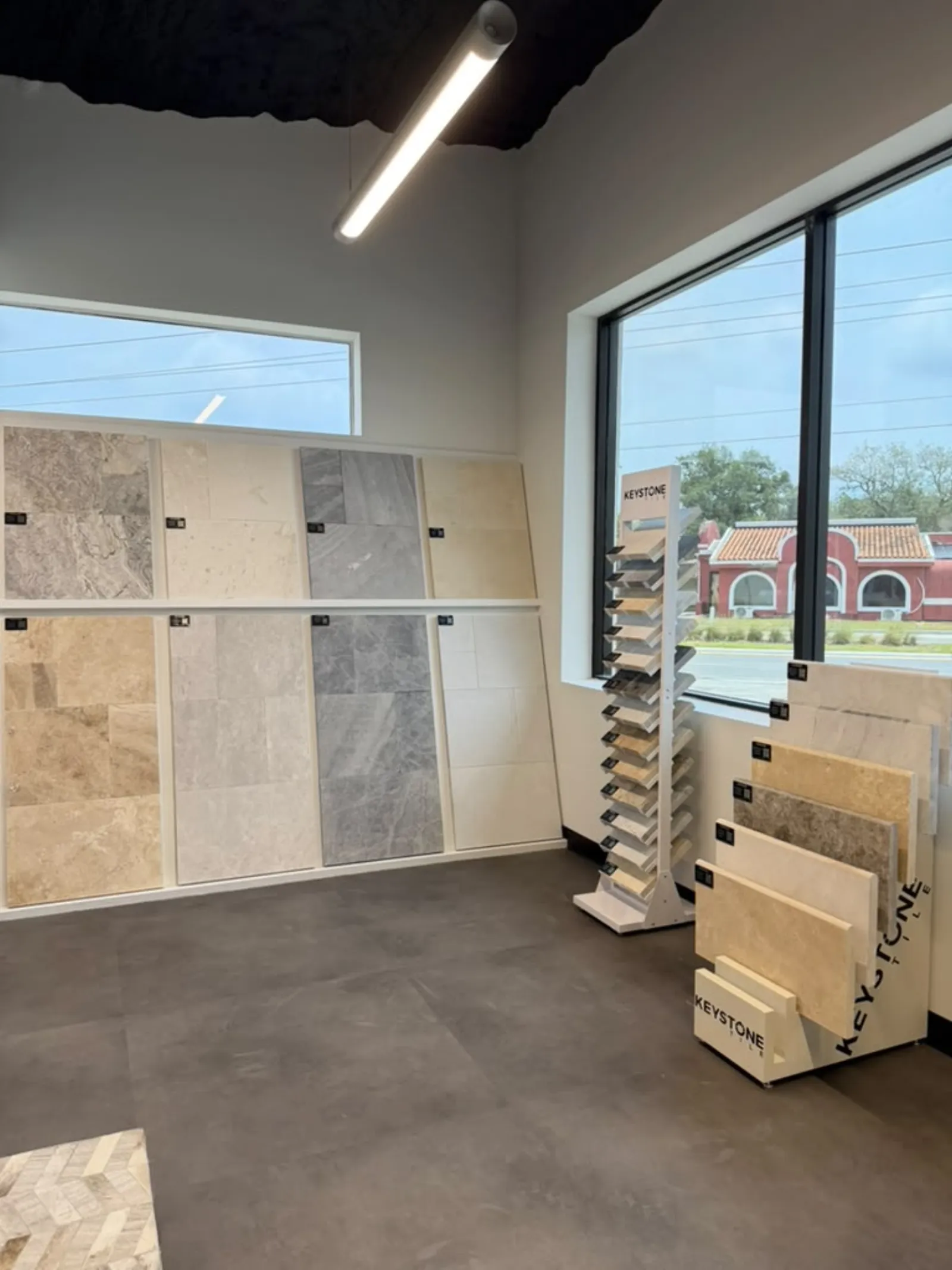
Material choice is the single biggest variable in paver patio cost in Florida. Concrete pavers are durable, widely available, and cost-effective. Brick pavers add a classic residential feel. Travertine stays cooler underfoot, making it especially popular around pools. Furthermore, porcelain pavers offer a sleek modern look with very low maintenance requirements.
On the other hand, natural stone requires more precise installation and usually carries higher material and labor costs. Therefore, aligning your material choice with your budget early avoids surprises later.
Base Preparation and Grading
Florida’s sandy soil and seasonal heavy rain create specific challenges for paver installations. First, contractors must excavate to the correct depth. Then, they compact a gravel sub-base and add a sand setting layer before placing a single paver. This process ensures structural stability and proper drainage over time.
In addition, if your yard has drainage issues or significant slope changes, grading and drainage work add cost. However, skipping proper base preparation is the number-one cause of paver shifting, sinking, and early failure — making it one investment you should never cut.
Pattern Complexity and Design Details
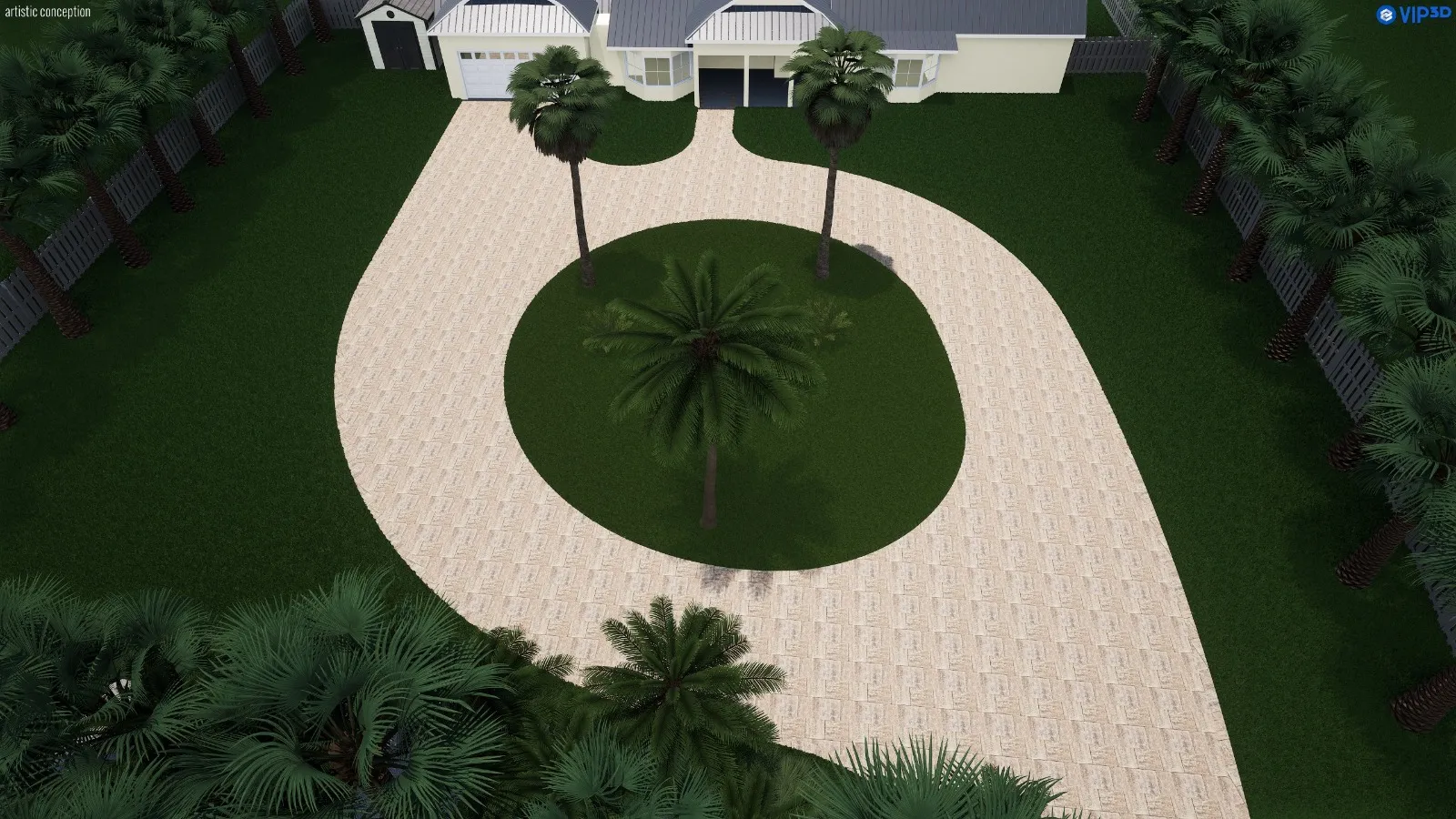
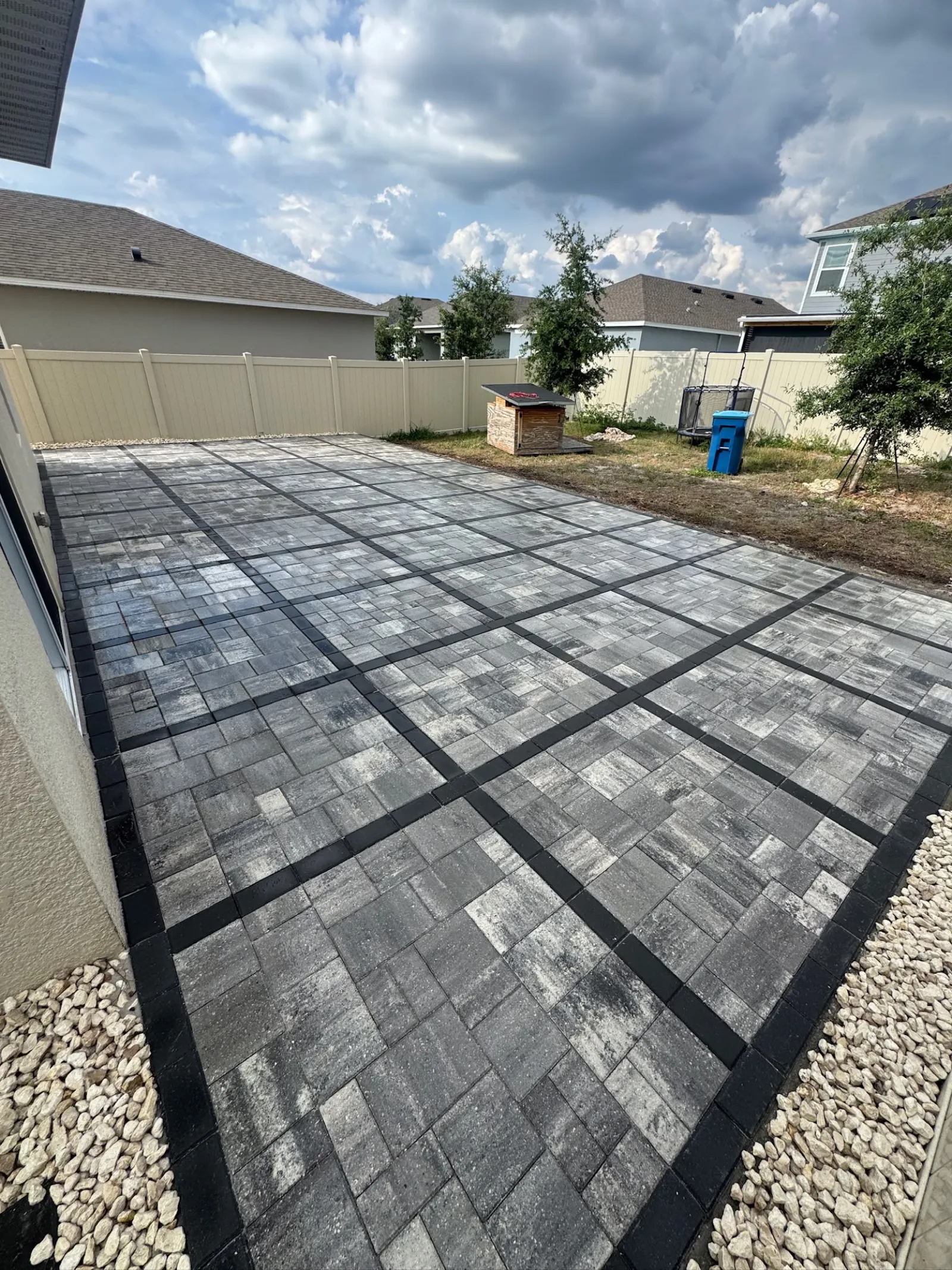
Simple running-bond or grid patterns require less cutting and labor. In contrast, herringbone, basket weave, circular medallions, or multi-color designs increase installation time significantly. Similarly, decorative borders, inlaid patterns, or mixed materials add both material cost and skilled labor time.
For most homeowners, a clean geometric pattern with a single-color border strikes the right balance between visual impact and cost. Most importantly, your contractor should present pattern options with their cost implications before work begins.
Demolition and Removal of Existing Surfaces
If your project site currently has an old concrete slab, existing pavers, or hardscape that needs removal, expect additional demolition and disposal costs. Consequently, this can add $2 to $6 per square foot depending on the material thickness and accessibility of the area.
Furthermore, older concrete slabs sometimes reveal underlying issues like tree root intrusion or soil erosion once removed. In other words, demo work occasionally uncovers hidden problems that require correction before installation begins.
Edging, Steps, and Vertical Elements
Steps, retaining edges, raised sections, and seat walls all contribute to the final cost. For example, a single step leading from a patio to a lawn area adds both material and labor. Similarly, a raised patio with a small retaining wall requires concrete footing work and additional block materials. Therefore, factor these elements into your planning from the start.
How Florida’s Climate Affects Paver Patio Cost
Florida’s climate creates specific demands that influence both material selection and installation method. First, the intense UV exposure fades some materials faster than others. Therefore, choosing UV-stable pavers reduces long-term color maintenance costs. Furthermore, Florida’s wet season brings heavy, concentrated rainfall — making proper drainage not just a recommendation, but a structural necessity.
In addition, Florida’s sandy soil shifts more than clay-heavy soils in other states. As a result, base compaction and the use of polymeric sand for joint stabilization become critical steps. Skipping polymeric sand, for instance, allows weeds and insects to infiltrate joints — leading to premature repairs. Most importantly, a contractor familiar with Central Florida conditions will account for all of these factors automatically.
Heat is another consideration. Pavers absorb and radiate heat differently depending on color and material. Light-colored travertine or lighter concrete pavers stay noticeably cooler underfoot during summer afternoons. In contrast, dark charcoal or black pavers can become uncomfortable on bare feet under the Florida sun. This choice affects not just comfort but long-term satisfaction with the finished space. You can explore more about how pavers perform in Florida’s environment in our detailed guide on pool deck pavers in Florida.
Paver Patio vs. Concrete Patio: Which Costs More Long-Term?
Many homeowners compare paver patios to poured concrete when budgeting. Initially, a plain concrete slab costs less — typically $8 to $15 per square foot. However, the long-term picture looks quite different. Concrete cracks. In Florida especially, tree roots, soil movement, and thermal expansion cause cracking within a few years.
Repairing cracked concrete, on the other hand, requires grinding, patching, or full resurfacing. In contrast, when a paver settles or cracks, contractors can remove and replace individual units without disturbing the rest of the surface. As a result, repair costs for pavers are typically far lower over a 10- to 20-year span.
Furthermore, pavers add measurable curb appeal and resale value to a property. Most importantly, real estate professionals consistently note that well-installed paver patios and driveways return strong value at resale — something a plain concrete slab rarely matches. If you want a deeper breakdown of these two surfaces, our post on patio pavers vs. concrete in Florida covers the comparison in detail.
What Does Professional Paver Installation Include?
A professional paver patio installation covers far more than simply laying stones on the ground. First, the crew surveys and marks the area. Then, they excavate to the required depth — typically 6 to 9 inches for a residential patio. After that, they install a compacted gravel base, followed by a sand setting layer screeded to precise grade.
Next, pavers are laid according to the approved pattern, cut to fit edges and angles, and pressed into place. After laying, crews compact the entire surface again using a plate compactor to lock pavers firmly. Finally, polymeric sand fills the joints, and a sealant protects the finished surface. In addition, cleanup, disposal, and a final walkthrough inspection are standard parts of any reputable contractor’s process.
Therefore, when comparing quotes, pay close attention to what each includes. A low bid that excludes base preparation, polymeric sand, or sealing will cost more in repairs within two to three years. Consequently, comparing apples to apples means reviewing scope of work line by line — not just the bottom number.
Paver Patio Maintenance Costs in Florida
Pavers are low-maintenance — but not zero-maintenance. In Florida, annual or biennial sealing protects against UV damage, staining, and weed growth. Professional sealing typically costs $1.50 to $3.50 per square foot depending on product type and patio size.
Furthermore, pressure washing keeps joints clean and prevents organic buildup from Florida’s humidity and pollen. Most homeowners budget $150 to $400 annually for basic maintenance — far less than the recurring cost of repairing or resurfacing a concrete patio. In addition, polymeric joint sand may need reapplication every 4 to 6 years, depending on weather exposure and foot traffic.
In other words, the ongoing cost of owning a paver patio is manageable and predictable. Similarly, addressing minor issues like a single shifted paver immediately prevents them from cascading into larger, more expensive problems. Most importantly, a well-maintained paver patio can last 30 to 50 years — making initial investment very competitive over its lifespan.
How to Get an Accurate Paver Patio Quote in Central Florida
Getting an accurate quote starts with preparation. First, measure your intended patio area as precisely as possible. Then, note any existing surfaces that need removal, drainage concerns, or grade changes. In addition, think about how you plan to use the space — dining, lounging, entertaining, or connecting to a pool deck. These details directly affect design recommendations and material choices.
Furthermore, request itemized quotes rather than lump-sum numbers. A detailed quote should list excavation, base materials, pavers, labor, edging, sand, sealing, and cleanup separately. Consequently, this makes it easier to compare contractors fairly and understand exactly what you are paying for.
On the other hand, avoid the temptation to automatically choose the lowest bid. In Florida’s outdoor construction market, underpriced bids often reflect shortcuts in base preparation or the use of lower-grade materials. Instead, prioritize contractors with documented experience in Central Florida, clear contracts, and verifiable references. You can review real project examples and client feedback on our testimonials page and completed projects gallery.
Questions to Ask Your Paver Patio Contractor
- What base depth do you use for Florida soil conditions?
- Does the quote include polymeric sand and sealing?
- What happens if we encounter drainage issues during excavation?
- Which paver brands and product lines do you work with?
- Do you provide a warranty on installation workmanship?
- What is the project timeline from start to completion?
- How do you handle edge restraints on sandy soil?
Common Mistakes That Drive Up Paver Patio Costs
Many homeowners unknowingly make decisions that increase their total project cost. For example, choosing a premium material without confirming it suits the intended use can lead to early wear. Travertine is beautiful around a pool but may not hold up as well in a high-traffic driveway area. Therefore, match material to application from the start.
Another common mistake involves underestimating site preparation needs. In particular, Florida properties near trees or with existing drainage problems require more extensive base work. Skipping this step to save money upfront almost always results in paver shifting, settling, or flooding — and a much more expensive repair later. For reference, our article on driveway drainage solutions in Florida explains how water management affects long-term surface performance.
Furthermore, attempting a DIY paver patio without professional experience often leads to uneven surfaces, poor drainage, and joint failure. In contrast, professional installation delivers a finished product that lasts decades with minimal maintenance. The cost difference narrows considerably once you factor in the tools, materials, and time required for a proper DIY attempt. Our breakdown of DIY vs. professional paver installation in Florida covers this comparison in full detail.
Is a Paver Patio Worth the Investment in Florida?
The short answer is yes — for most Florida homeowners, a paver patio delivers strong returns. First, it extends your usable living space into the outdoors, which Florida’s climate supports for much of the year. Then, it immediately improves curb appeal and visual value. Furthermore, quality paver work can return 50% to 80% of its cost in added home value, according to industry estimates from home improvement research organizations.
Moreover, pavers outperform concrete in long-term durability under Florida’s specific conditions. They handle freeze-thaw cycles better — though rare in Florida, temperature swings still stress surfaces. Most importantly, they offer a flexible, repairable surface that adapts to soil movement without cracking irreparably.
In addition, a well-designed paver patio connects naturally to other outdoor features — summer kitchens, fire pits, pool decks, and landscape beds — creating a cohesive backyard environment. As a result, many homeowners find that a paver patio becomes the foundation for a broader outdoor living upgrade. If you are thinking about the full picture, our guide on backyard renovation in Florida outlines how to plan a complete outdoor transformation.
Paver Patio Cost in Florida: Final Numbers to Keep in Mind
To summarize, here are the key cost benchmarks for planning a paver patio in Central Florida:
- Average installed cost: $15 – $35 per square foot
- Typical 400 sq. ft. patio: $6,000 – $14,000
- Premium materials (travertine, porcelain): $35 – $60+ per sq. ft.
- Demolition of existing surface: Add $2 – $6 per sq. ft.
- Annual maintenance (sealing, cleaning): $150 – $600
- Expected lifespan with proper care: 30 – 50 years
These figures provide a realistic planning foundation. However, always request an on-site assessment for a precise quote. Site conditions, access, and project scope details can significantly shift final numbers in either direction.
Why Central Florida Homeowners Choose Golden Outdoor Solutions
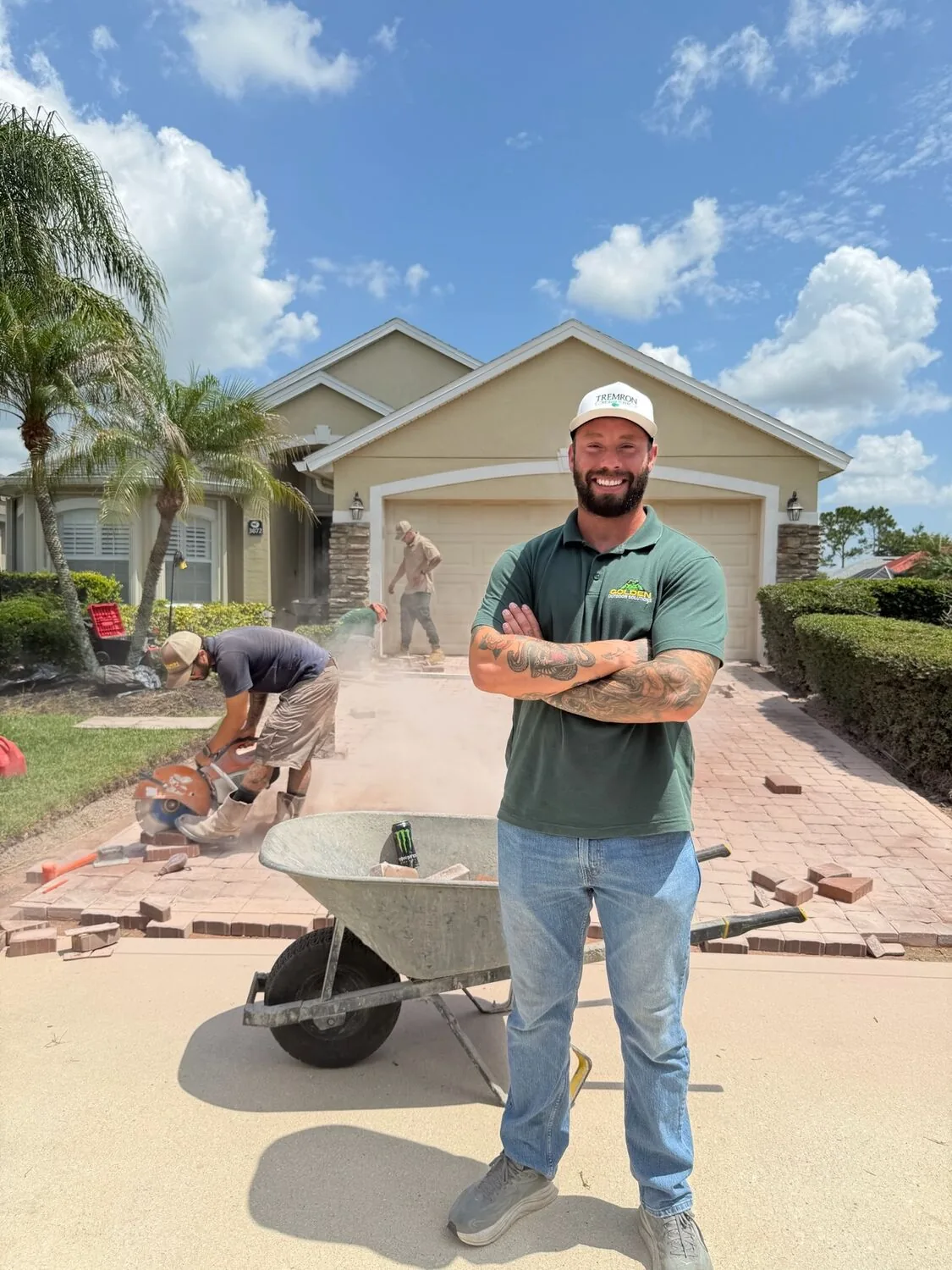
At Golden Outdoor Solutions, we specialize in paver patio installation and paver patio design across Central Florida. Our team brings deep knowledge of local soil conditions, drainage requirements, and material performance in Florida’s climate. Furthermore, every project includes thorough base preparation, premium materials, and clean, precise installation that stands the test of time.
In addition, we offer transparent, itemized quotes so you understand exactly where your investment goes. Our portfolio spans everything from simple backyard patios to elaborate outdoor living spaces with summer kitchens, landscape integration, and pool surrounds. Most importantly, we treat every project as a long-term investment in your property — not just a job to complete.
For broader guidance on outdoor construction standards and best practices in Florida, the University of Florida IFAS Extension provides excellent research-backed resources on landscape materials, soil behavior, and drainage management across Florida’s diverse conditions. Consulting these resources alongside a professional estimate gives you the most complete picture before committing to any project.
If you are also considering other surfaces for your outdoor space, our comprehensive resource on outdoor patio renovation in Florida walks through all the major surface options and design approaches available to Central Florida homeowners today.
Ready to upgrade your driveway or patio? Reach out to Golden Outdoor Solutions today for a free, no-obligation estimate — you can also browse our completed projects gallery to see real work across Central Florida. Connect with us on Instagram or Facebook for design inspiration and project updates. Leave us a review or read what our clients say on Google. You can also reach us directly via WhatsApp, by phone at +1 (321) 745-9047, or by email at contact@goldenoutdoorsolutions.com — we serve homeowners throughout Central Florida and are ready to bring your outdoor vision to life. 🌿✨