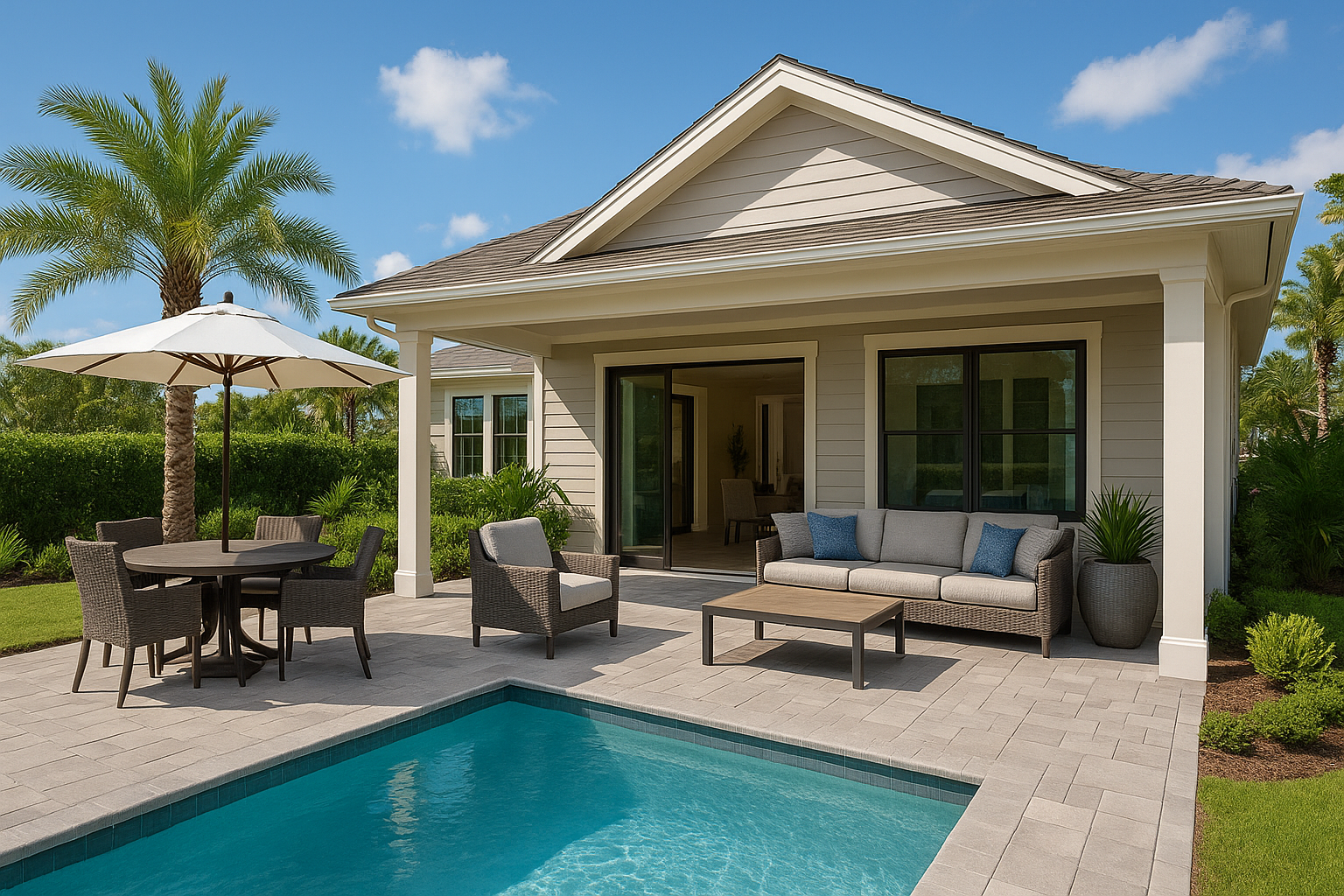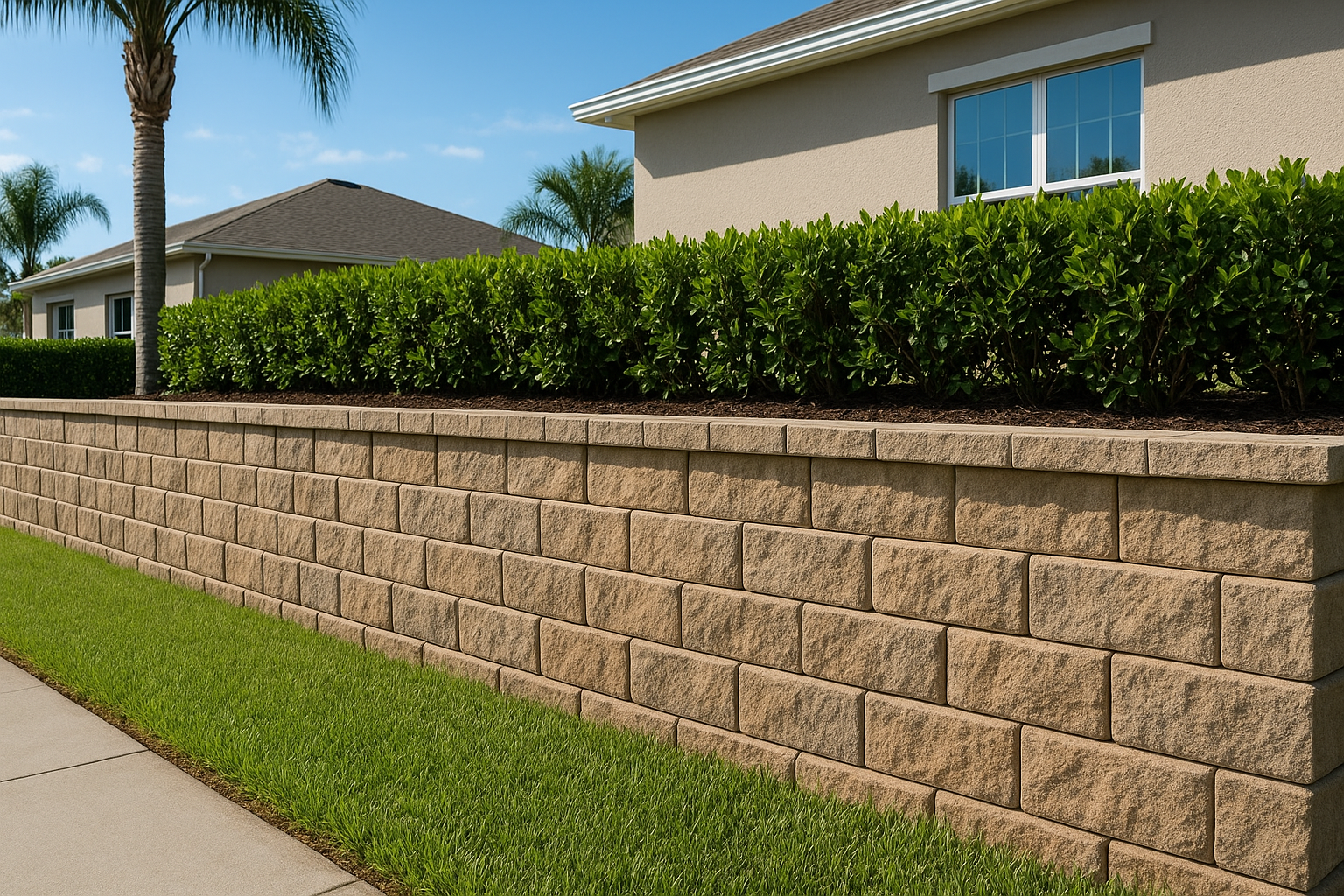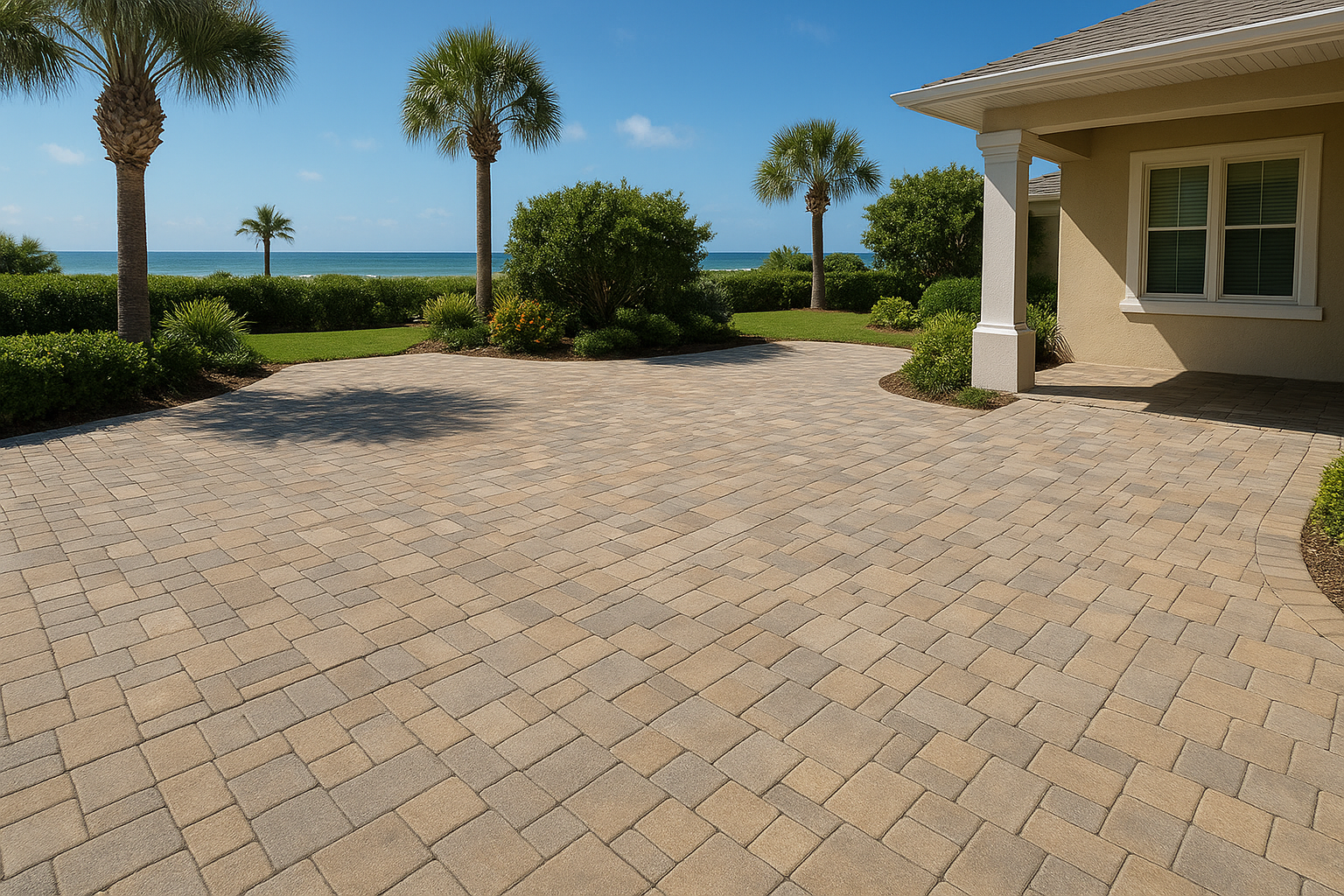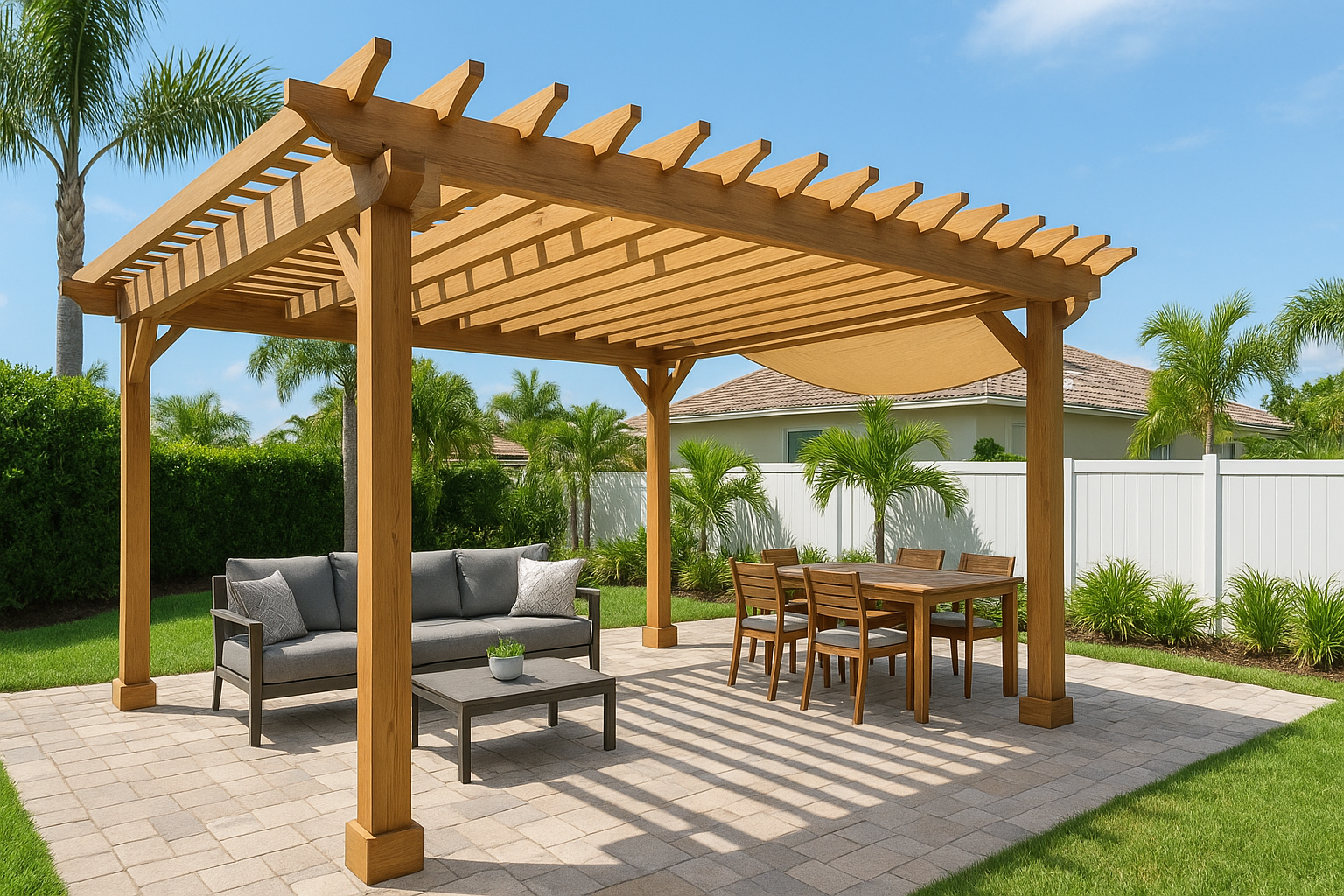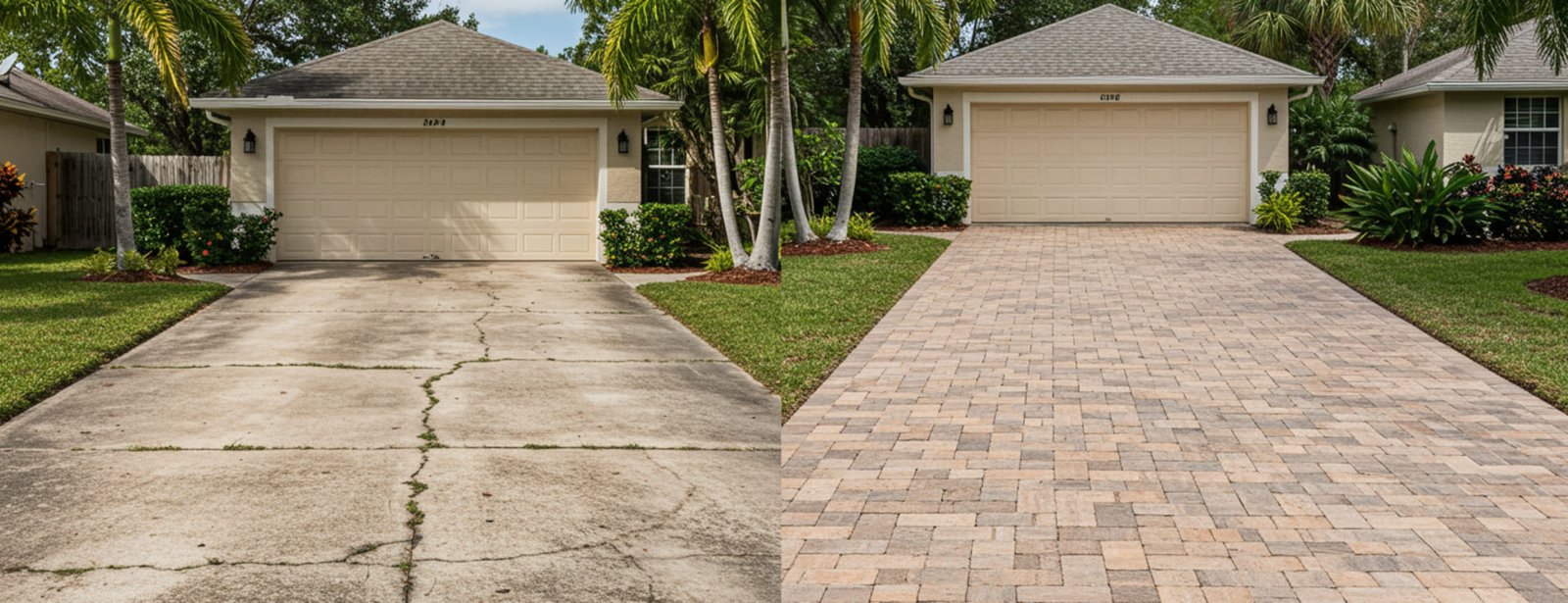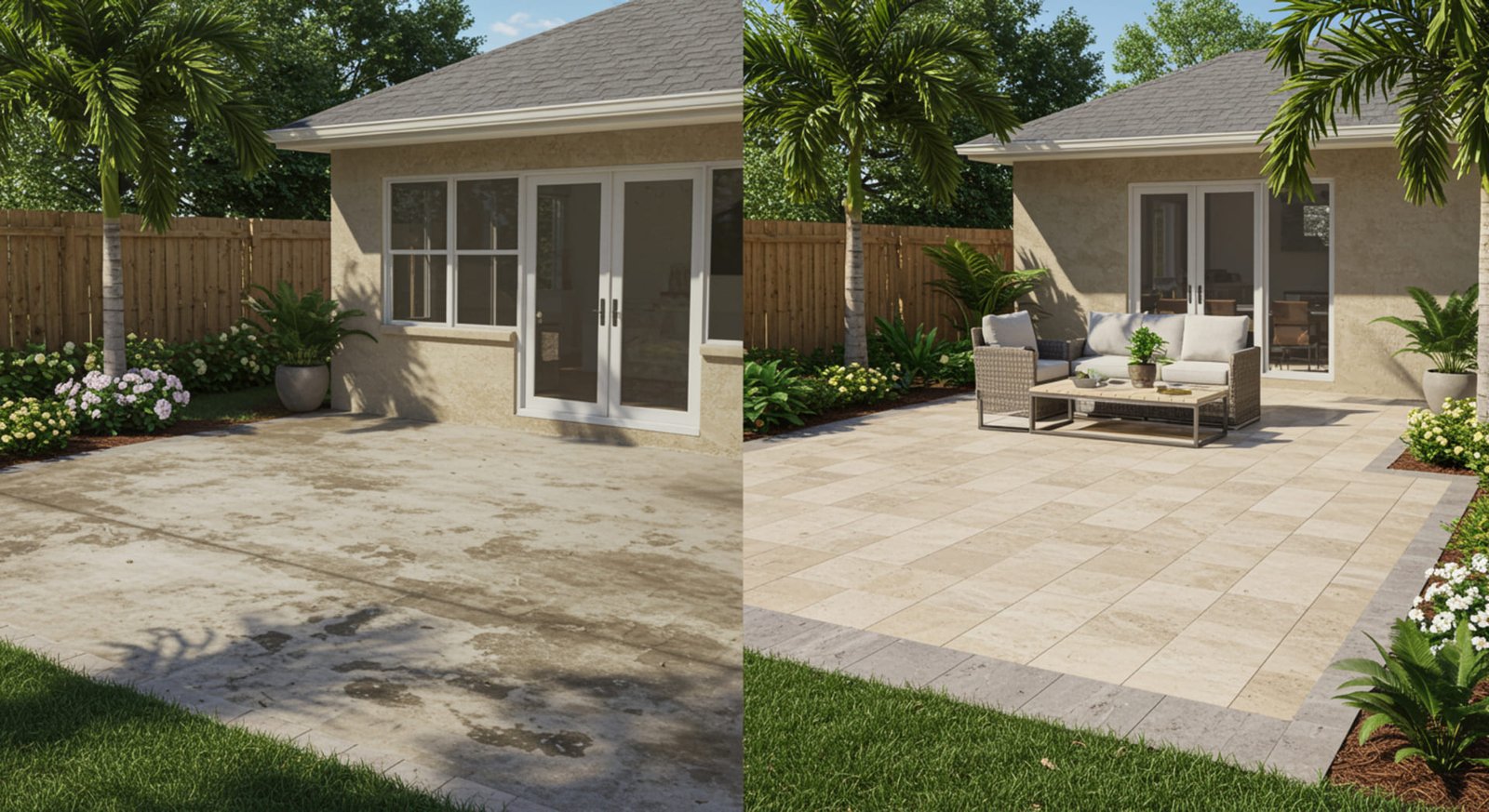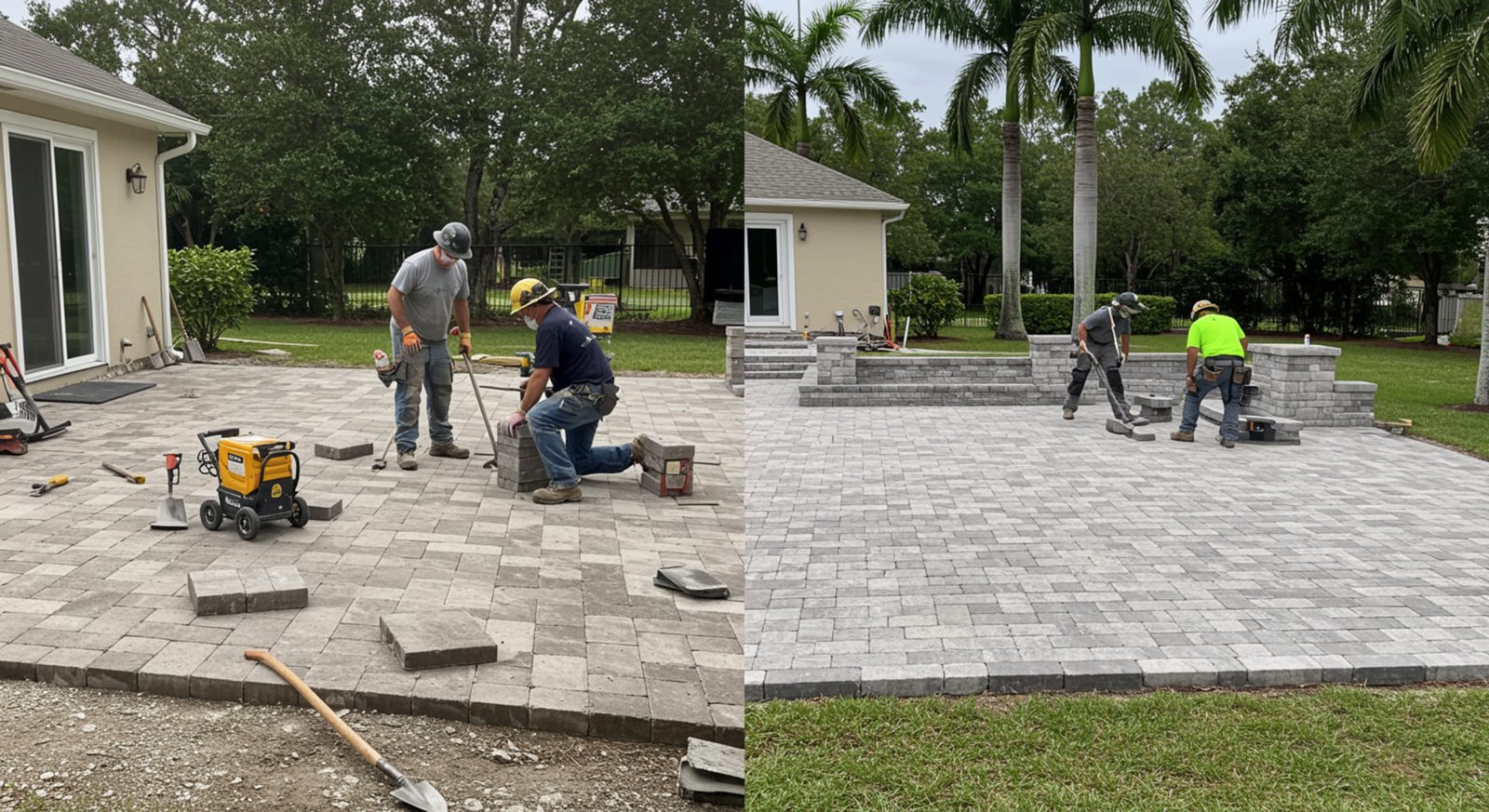
Paver patio installation in Florida requires more than visual planning — it demands structural preparation, drainage engineering, and climate-adapted materials to ensure long-term stability. Florida’s intense sun, high humidity, and heavy rainfall place constant stress on outdoor surfaces.
While paver patios are known for their flexibility and visual appeal, their lifespan depends entirely on what lies beneath the surface. Without proper base preparation and compaction, even high-quality pavers can shift or settle.
Understanding the core components of paver patio installation in Florida helps homeowners invest in outdoor spaces built to last.
Why Florida Conditions Demand Strong Base Preparation
Florida soil is often sandy and prone to movement. Combined with seasonal rain events, unstable ground can undermine patios quickly.
Common stress factors include:
- Heavy rainfall saturation
- Soil erosion
- High water tables
- Thermal expansion
- Repeated foot traffic
Paver patio installation in Florida must begin with deep excavation and layered compaction to prevent settling.
Step 1: Proper Excavation
Excavation depth depends on:
- Soil condition
- Intended patio size
- Load expectations
- Drainage requirements
Removing organic material and unstable soil is critical.
Insufficient excavation is one of the most common installation mistakes.
Step 2: Compacted Aggregate Base
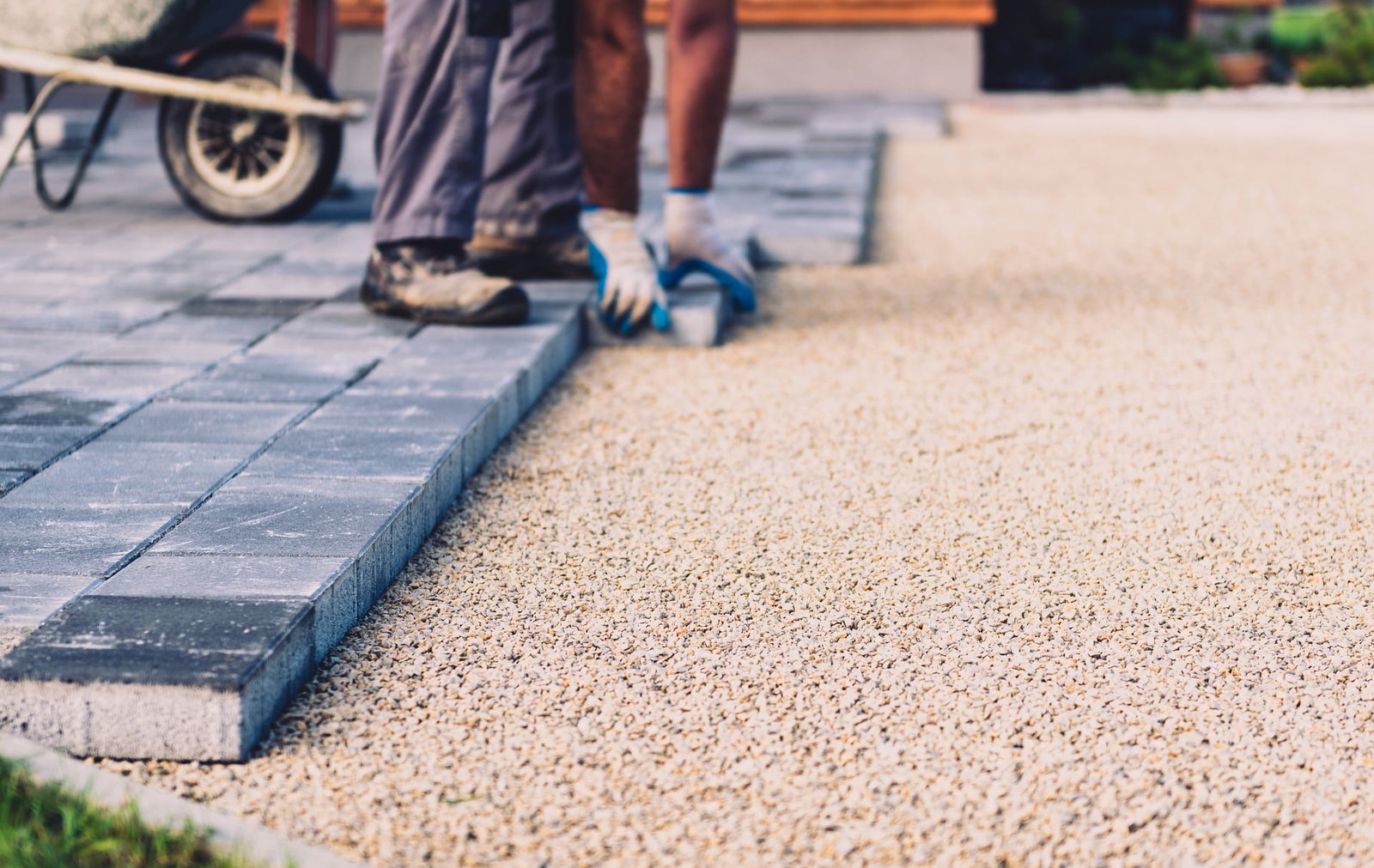
The base is the structural foundation of the patio.
Professional paver patio installation in Florida includes:
- Crushed stone base material
- Compaction in controlled layers
- Mechanical compaction equipment
- Level density checks
A properly compacted base distributes weight evenly and resists soil movement.
Step 3: Geotextile Fabric and Drainage Control
Separation fabric prevents base contamination from surrounding soil.
Drainage design includes:
- Subtle slope grading
- Water runoff direction planning
- Edge stabilization
- Permeable joint systems
Florida patios must channel water away from structures.
Drainage determines longevity.
Step 4: Precision Paver Placement
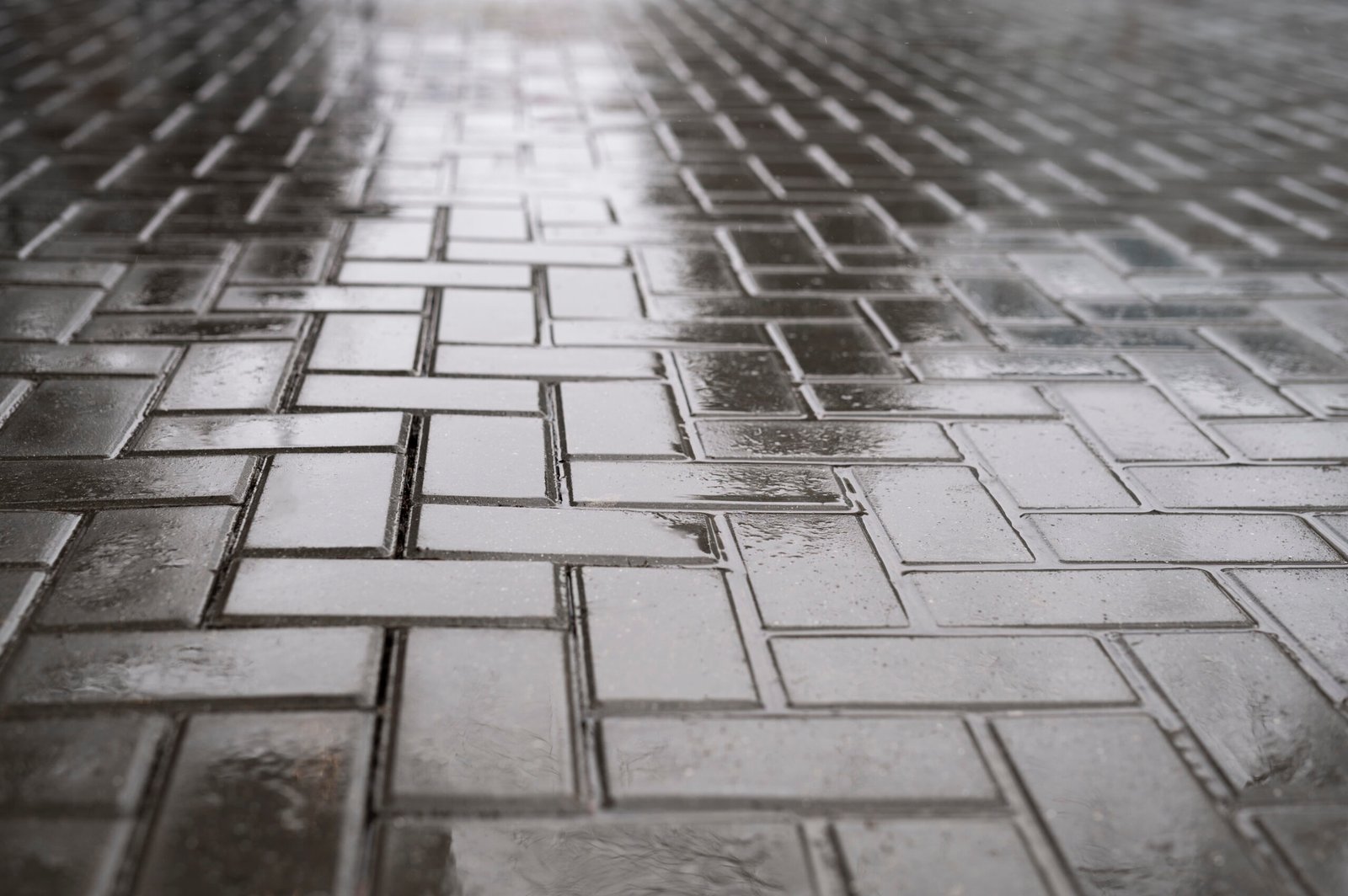
Alignment matters both structurally and visually.
Professional installers ensure:
- Symmetrical layout
- Consistent joint spacing
- Tightly aligned edges
- Flawless surface leveling
Precision reduces future shifting and enhances aesthetic appeal.
Step 5: Edge Restraints and Joint Stabilization
Edge restraints lock pavers into place.
Polymeric sand stabilizes joints and reduces:
- Weed growth
- Sand washout
- Lateral movement
Paver patio installation in Florida requires secure perimeter containment to maintain long-term alignment.
Design Considerations for Florida Patios
Modern Florida patios emphasize:
- Clean geometric layouts
- Neutral earth-tone pavers
- Seamless integration with landscaping
- Functional flow between spaces
Design must balance visual simplicity with structural performance.
A patio should complement both architecture and drainage flow.
Longevity Expectations
When properly installed, paver patios can last decades.
Durability depends on:
- Base thickness
- Compaction density
- Drainage performance
- Edge stability
- Routine maintenance
Neglecting any of these elements reduces lifespan.
Professional paver patio installation in Florida ensures structural resilience.
Maintenance Tips for Long-Term Performance
Recommended maintenance includes:
- Regular cleaning
- Periodic joint sand inspection
- Surface sealing (optional)
- Drainage monitoring
- Immediate correction of minor shifts
Early attention prevents larger issues.
Why Professional Installation Matters
DIY installations often fail due to:
- Insufficient compaction
- Incorrect slope
- Weak edge restraints
- Uneven leveling
Professional crews use specialized equipment and understand Florida’s environmental demands.
Paver patio installation in Florida is both an engineering and craftsmanship process.
Ready to renew your pool’s surface?
📞 Contact Golden Outdoor Solutions at +1 (321) 745-9047 or email contact@goldenoutdoorsolutions.com for a free resurfacing consultation anywhere in Central Florida.
Conclusion
Paver patio installation in Florida combines structural base preparation, precise alignment, and effective drainage design to ensure long-term durability. Florida’s climate requires more than surface beauty — it requires engineering discipline beneath every paver.
Homeowners who prioritize proper installation benefit from stable, symmetrical, and climate-resilient patios built to perform for years.